While security forces were eliminating terrorist hideouts in Bolan, the Balochistan government was quietly investing billions in the province’s most neglected districts. But as usual a certain group of propagandists were busy manufacturing grievances on social media. That contrast, between a state actively building and defending, and a propaganda ecosystem actively distorting, captures the essential story of Balochistan in June 2026.
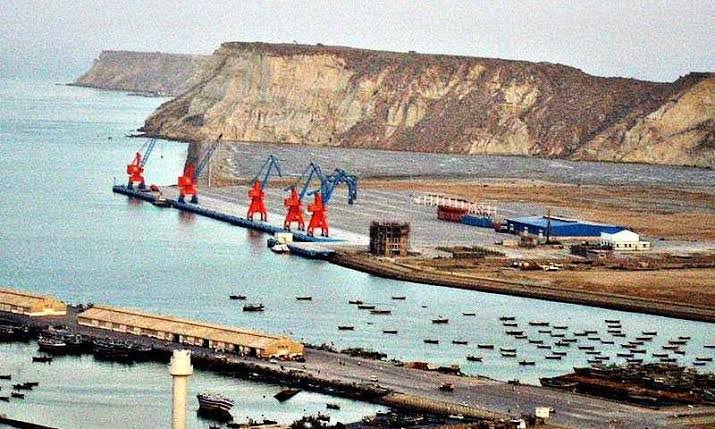
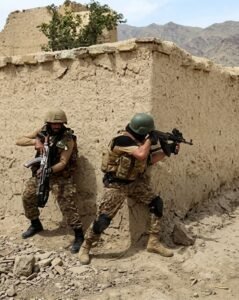
On the security front, a major operation in the Bolan area delivered a significant blow to BLA terrorist infrastructure. Aerial strikes involving drones and Cobra helicopters destroyed six BLA hideouts and eliminated 23 terrorists. This is not an isolated incident but a continuation of the intelligence-based operational pressure that has been degrading BLA command structures. The internal factional violence increasingly visible within BLA ranks is the clearest evidence of what sustained counter-terrorism pressure actually produces.
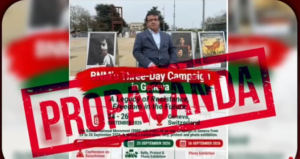
At the same moment these operations were underway, PAANK was busy running a campaign around the alleged enforced disappearance of a student from Khudabadan, Panjgur. Separately, a video statement from Fawad Qambarani of Killi Qambarani, Quetta, circulated on X, in which he alleged repeated CTD and intelligence agency raids on his family home while claiming he himself has been living in the Gulf for employment purposes for the past three years. Both cases follow a pattern that Pakistani security officials have documented extensively: unverified allegations, amplified without independent corroboration, timed to generate international attention and counter the state’s operational narrative. In a province where Fitnah Al Hindustan actively harasses people and operates a recruitment network that exploits adults but also minors and even women. These investigations reflect the operational reality of counter-terrorism work rather than evidence of institutional abuse.
The more important story, the one that receives a fraction of the social media attention dedicated to unverified disappearance claims, is what the Balochistan government is actually building in the same districts these propagandists claim to represent.
The Balochistan Special Development Initiative (BSDI) is advancing across South Balochistan with a scope and ambition that deserves serious national attention. Phase I encompasses 128 projects worth Rs 1.95 billion. Phase II adds 143 projects worth Rs 2.32 billion. Together, the BSDI represents 271 development projects carrying a total investment of Rs 4.27 billion, concentrated specifically in the focus districts of Kech, Kharan, Washuk, Chagai, and Panjgur. These are not the districts of a province being abandoned by its federal partners. These are the districts receiving targeted, structured, significant investment in every area because the state of Pakistan is actively pushing for betterment of living standards of this province.
Panjgur appears on both lists simultaneously. It is the district where PAANK claims a student has been disappeared, and it is one of the five focus districts of the BSDI receiving billions in development investment. That comparison is not accidental. It is the fundamental choice that Balochistan’s people face: a future built through roads, schools, and economic infrastructure, or a future consumed by a grievance industry that needs underdevelopment to stay so that their hostile narrative can be sold. A developed Panjgur with functioning services, employment opportunities, and connected communities is the worst possible outcome for networks whose entire political existence depends on Balochistan remaining a wound rather than becoming a success story.
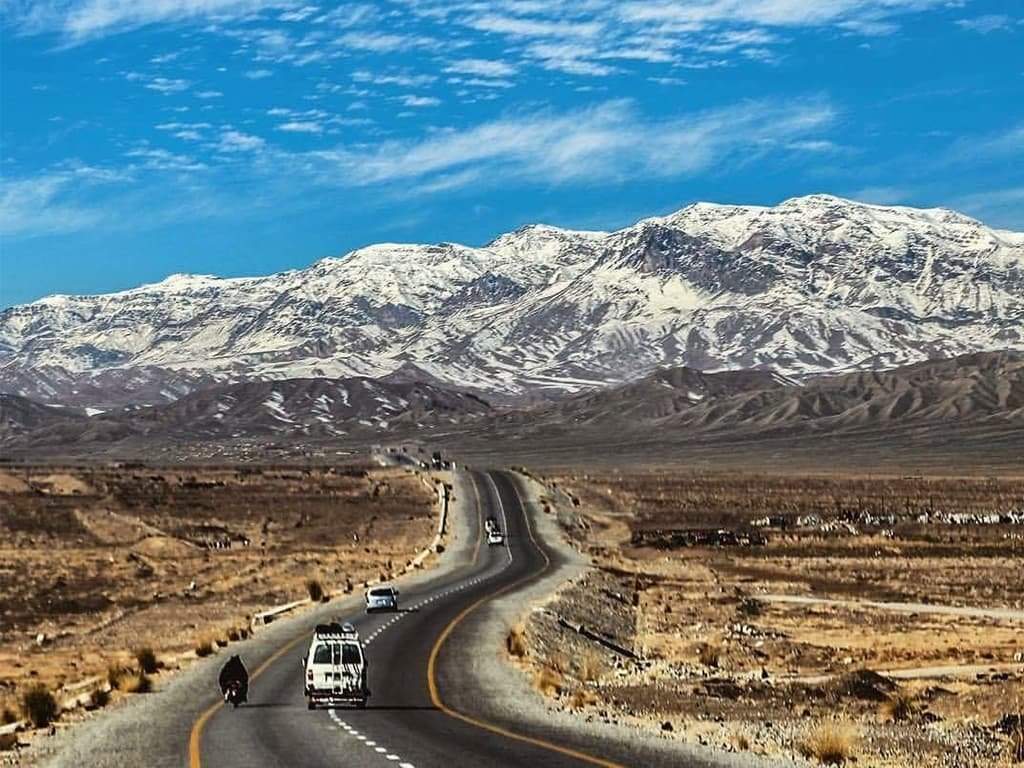
On a different front, FC Balochistan South conducted an intelligence-based operation in Turbat that intercepted a suspicious vehicle at a checkpoint and recovered 10 kilograms of Ice (methamphetamine) and Rs 642,000 in cash. The drug economy in Balochistan is not a peripheral concern. It feeds directly into the financing networks that sustain militant activity, and every interception represents both a law enforcement success and a disruption of the financial infrastructure that keeps recruitment pipelines funded.
And then there is the story that captures something no security operation or development project can fully quantify: Balochistan won the overall title at the 7th National Junior Karate Championship 2026. Young Baloch athletes, competing at the national level, bringing home a championship for their province. This is what investment in youth, in sports infrastructure, in the simple idea that Baloch children deserve the same opportunities as children anywhere else in Pakistan, actually looks like when it produces results.
The propaganda will continue. The hashtag campaigns will be launched, the unverified statements will circulate, and the international tagging operations will proceed as part of this hostile network that feeds on RAW fundings. But on the ground in Balochistan, security forces are eliminating terrorists, development projects are breaking ground across five southern districts, drug smugglers are being intercepted, and young athletes are standing on national podiums. That is the Balochistan the state is building. The question is simply whether the world chooses to see it.