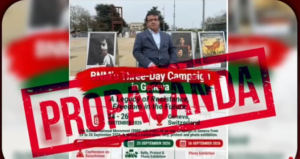
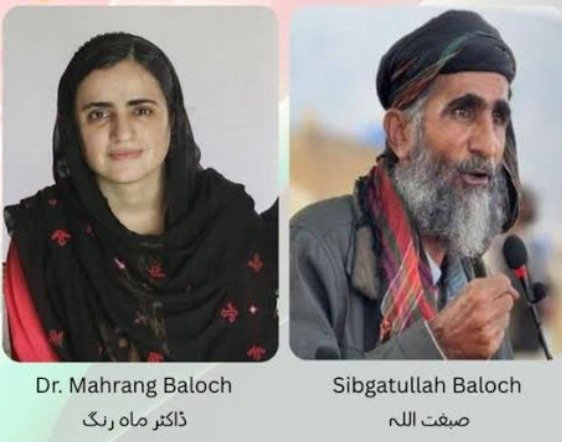
The recent sentencing of Baloch Yakjehti Committee (BYC) leaders Mahrang Baloch and Sibghatullah Shah to life imprisonment by an anti-terrorism court has generated considerable international attention. Several international media outlets and advocacy groups have framed the verdict as a crackdown on political dissent and human rights activism.
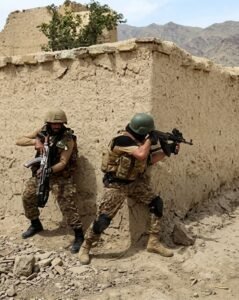
However, such portrayals often overlook the specific circumstances of the case and the broader security environment in Balochistan. According to court proceedings, the convictions were linked to the 2024 killing of paramilitary soldier Shabbir Baloch during a BYC-led rally in Gwadar, where prosecutors argued that the accused played a role in mobilizing a violent crowd that attacked security personnel. The provincial government has maintained that the case concerns the murder of a soldier rather than peaceful political expression.
The distinction is critical. In any state governed by the rule of law, political activism and peaceful protest are protected rights, but violence resulting in the death of a citizen or security official falls within the realm of criminal accountability. Presenting the verdict solely as a human rights issue risks obscuring the judicial findings and the evidence examined during the trial. The accused retain the right to appeal, a legal avenue available within Pakistan’s judicial framework.
The broader debate surrounding BYC cannot be separated from longstanding concerns regarding its alleged links with militant separatist organizations. Pakistani authorities have repeatedly argued that BYC functions as a political and propaganda front for the outlawed Baloch Liberation Army (BLA), a group responsible for numerous terrorist attacks against civilians, security personnel, public infrastructure, and economic projects.
While BYC denies these allegations, the concerns cannot be dismissed lightly given the convergence of narratives, messaging, and mobilization patterns observed during periods of heightened insurgent activity. The BLA has been proscribed in Pakistan since 2006 and has also been designated a terrorist organization internationally, including by the United States.
An additional factor that deserves scrutiny is the support extended to BYC figures by individuals and organizations linked to separatist agendas. Among the most vocal supporters of Mahrang Baloch has been Mehran Marri, widely known as a leader associated with the United Baloch Army (UBA), another militant separatist organization.
Likewise, activists connected with the Pashtun Tahaffuz Movement (PTM), a group that has faced restrictions and legal action in Pakistan over allegations of anti-state activities, have repeatedly amplified BYC campaigns. While political solidarity alone does not establish organizational integration, the pattern raises legitimate questions regarding the networks and interests rallying behind BYC’s narrative.
The security landscape in Balochistan further complicates the portrayal of the province as a simple contest between activists and the state. Balochistan remains affected by a complex insurgency involving separatist groups, terrorist organizations, and transnational militant actors.
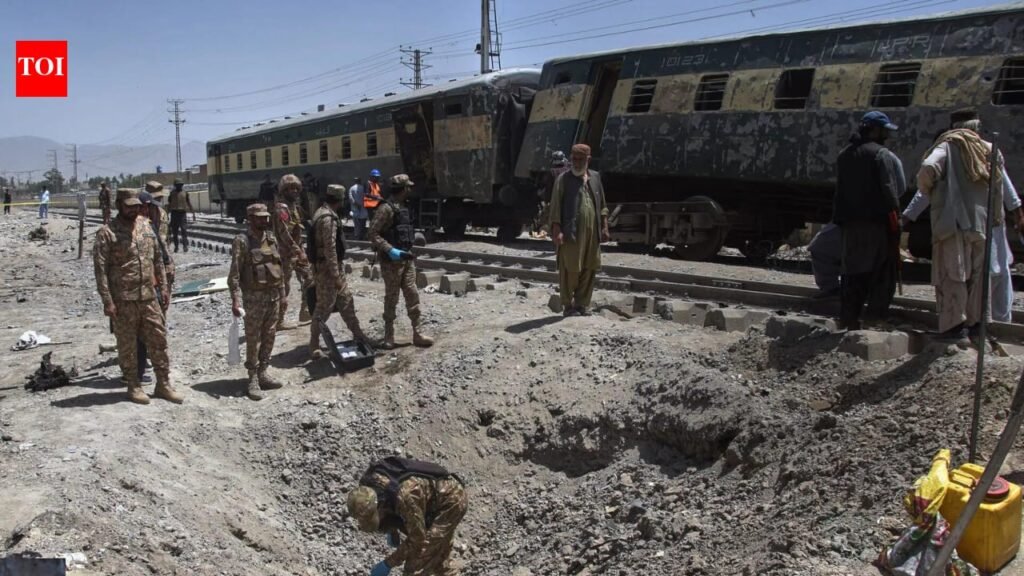
The BLA has claimed responsibility for attacks on passenger trains, buses, coal miners, educational institutions, police stations, and security forces. In 2025 alone, Pakistan witnessed a significant rise in terrorist violence, with Balochistan remaining one of the most heavily affected regions. Multiple reports documented hundreds of militant attacks and hundreds of casualties across the province.
One particularly alarming development has been the growing participation of women in militant and suicide operations conducted by Baloch insurgent groups. Historically, female involvement in Baloch militancy was extremely limited. However, recent years have witnessed the emergence of female suicide bombers and women being incorporated into militant propaganda campaigns.
Analysts and security observers have noted that insurgent organizations increasingly utilize women to expand recruitment pools, generate media attention, and portray militancy as a social movement rather than an armed insurgency. Reports from 2025 and 2026 highlighted the increasing visibility of women within BLA-linked militant structures and propaganda narratives.
This trend coincides with the rise of BYC as a prominent mobilizing platform in Balochistan. While direct operational links between individual activists and terrorist attacks require judicial proof, the broader information ecosystem created by anti-state narratives has arguably contributed to the normalization and romanticization of separatist militancy among segments of the population.
When militant organizations and their sympathizers consistently celebrate individuals involved in violence while simultaneously presenting themselves as rights advocates, the boundary between activism and insurgent facilitation becomes increasingly blurred.
None of this suggests that every grievance raised by Baloch citizens lacks legitimacy. Balochistan faces genuine challenges related to development, governance, representation, and socio-economic inequality.
These issues deserve serious attention from policymakers and democratic institutions. However, addressing legitimate grievances should not require overlooking violence, excusing terrorism, or sanitizing organizations that may serve as political cover for armed groups.
The international community should therefore adopt a more balanced approach when assessing developments in Balochistan. Human rights concerns must be examined carefully, but so too must the realities of terrorism, separatist violence, and extremist propaganda.
The conviction of Mahrang Baloch and Sibghatullah Shah should be viewed through the lens of the specific criminal charges adjudicated by the court rather than through an oversimplified narrative of activists versus the state.
Lasting peace in Balochistan will not emerge through the glorification of separatist movements or the legitimization of militant-linked narratives. It will come through the simultaneous protection of lawful political rights and the uncompromising rejection of violence as a tool of political change.