Taking allegations to Geneva, London, or other international platforms creates international visibility, not automatic international verification.
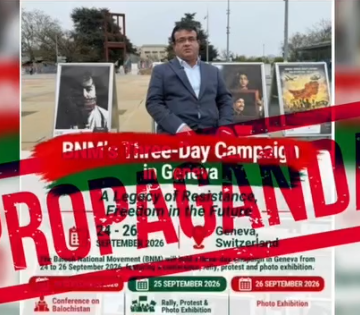

Taking allegations to Geneva, London, or other international platforms creates international visibility, not automatic international verification.
Naseem Baloch, who used to be part of terrorist organization BLA as well as Majeed Brigade and his Baloch National Movement (BNM), who provide political leverage to these terrorist organizations, routinely leverages these foreign venues to project an illusion of international proceedings, a narrative completely detached from ground realities.
Due to strained domestic relations with her own sister Gunj Bibi, Gulzadi Baloch lured her brother-in-law, Qazi Muhammad Azam, to her home under false pretenses and brutally murdered him.
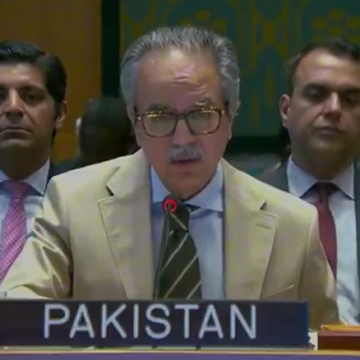
The United Nations Security Council's September 16 session on Afghanistan was billed as a routine quarterly briefing. It became, instead, a cumulative indictment. Five years after the Taliban regime seized Kabul, and nearly six since it signed the Doha Agreement promising to sever ties with terrorist networks and deny Afghan territory to any group threatening other states, the Council's deliberations laid bare a regime that has inverted that bargain rather than honored it. What emerged was a single, coherent picture: a government that has converted territorial control into a shield for terrorism, while marketing that same control abroad as stability.
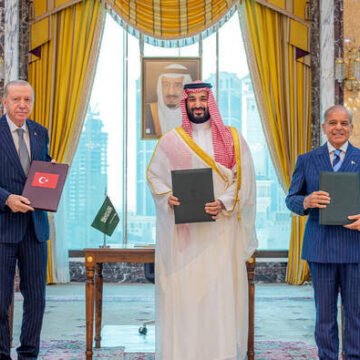
When Pakistan, Saudi Arabia and Türkiye signed the Makkah Joint Defence Agreement, much of the commentary reached instinctively for the NATO comparison, an Article 5 for the Muslim world, an attack on one treated as an attack on all.
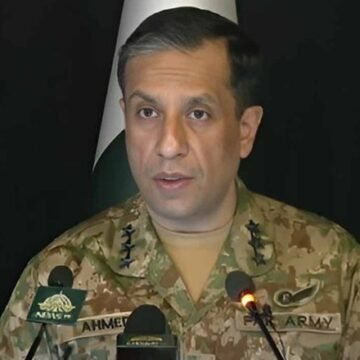
When DG ISPR Lieutenant General Ahmed Sharif Chaudhry told Al Arabiya that Balochistan is facing terrorism rather than an insurgency, the remark was easy to file away as rhetorical housekeeping

When Pakistan and Oman began discussing a sister-port arrangement between Gwadar and Sohar, the instinct in much of the commentary was to treat it as another ceremonial gesture in a long list of maritime memoranda that rarely survive contact with implementation.
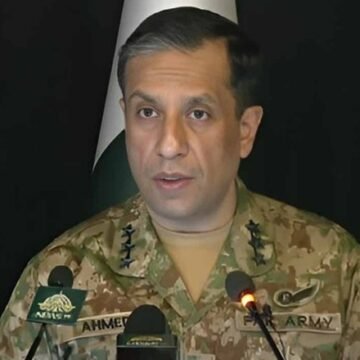
According to ISPR, the group attempted to establish a roadblock to disrupt civilian movement, a tactic that has little to do with the province's counter-terrorism apparatus directly and everything to do with signaling disruption to ordinary residents and, by extension, to the narrative economy that groups like this depend on.
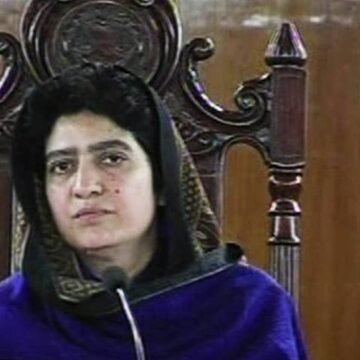
Education Minister Raheela Hameed Khan Durrani's assessment this week carries a different weight, precisely because it does not pretend the old problems have vanished overnight.
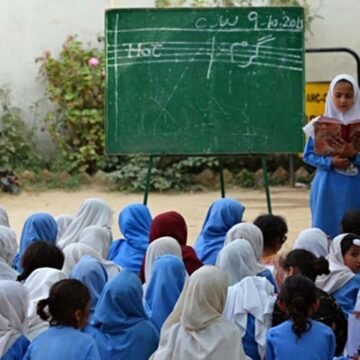
Somewhere in Balochistan right now, a child is sitting in a classroom that, two years ago, was just a locked building with broken windows and a name on a government register nobody bothered to check. That is not a small detail. It is the whole story, really, told through one building instead of thousands.