The violence carried out by the Balochistan Liberation Army (BLA) reflects a sustained and deeply troubling pattern: a calculated campaign of terror that increasingly targets the civil foundations of Balochistan rather than conventional security forces. In Balochistan, teachers, police officers, clerics, and tribal elders are being deliberately attacked, individuals who represent the province’s social stability, institutional continuity, and everyday governance. This is not incidental violence. It is a strategy of disruption aimed at weakening the “civil tier” that connects citizens to the state.

Recent incidents underline this shift with alarming clarity. In Nushki, Professor Ghamkhawar Hayat, a respected academic and linguist, was killed in a targeted attack. In Turbat, Lady Police Constable Shakeela Baloch was ambushed and murdered while serving in law enforcement. In Nasirabad, Maulvi Sasoli, a community cleric, was killed. In Pishin, tribal elder Aziz Khan, an important figure in local mediation and dispute resolution, was also assassinated.
Each of these victims represents a different pillar of civil society: education, security, religious guidance, and traditional governance. Their removal is not random, it is structurally destabilizing.
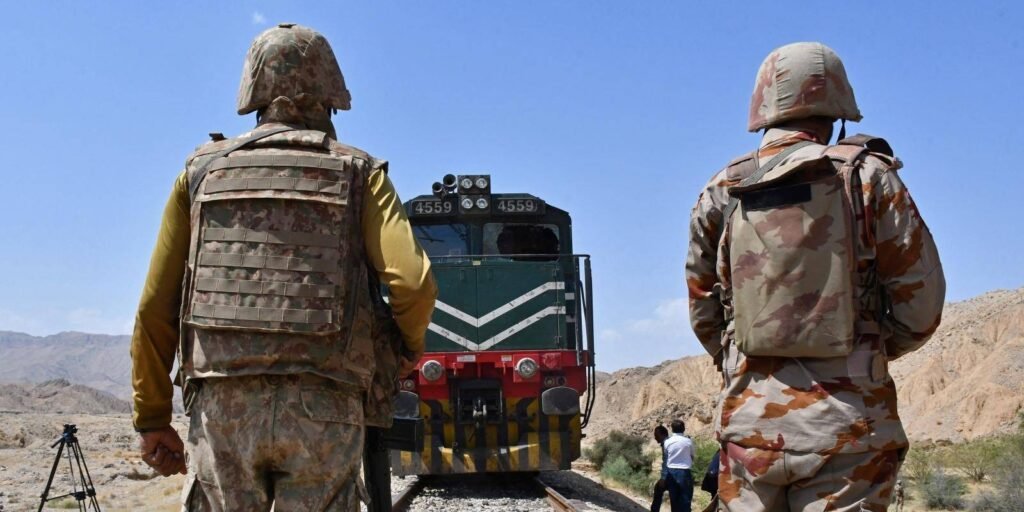
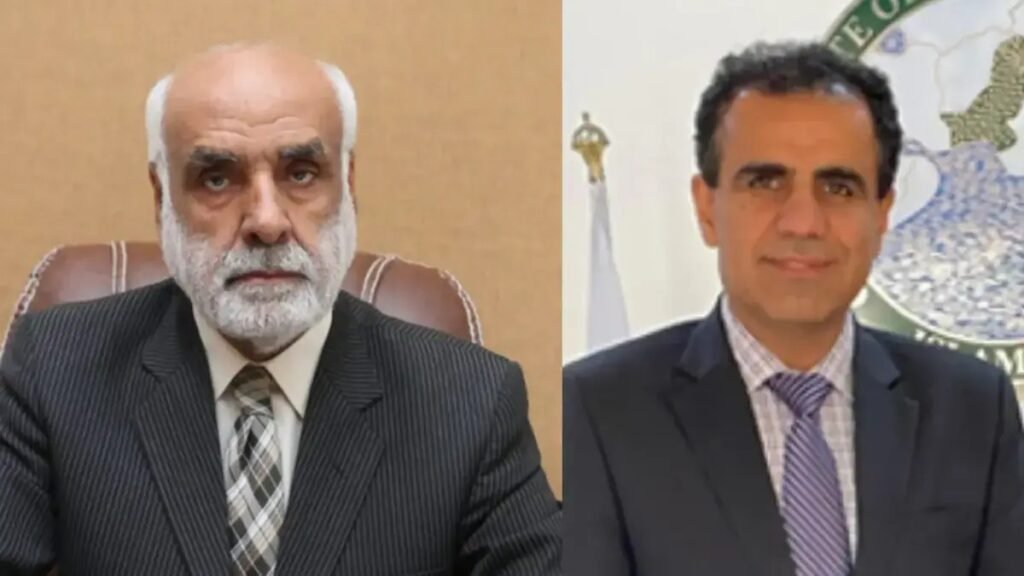
Alongside these killings, the BLA terrorist organization abducted the Vice Chancellor and staff of Gwadar University in Mastung, and separately targeted personnel of the Airport Security Force in Kalat. These actions extend the same logic of intimidation into educational and institutional spaces, signaling that even universities and civil administration structures are now within the scope of terror operations.
The pattern is unmistakable: weaken institutions by targeting the people who sustain them. The abduction of university leadership strikes directly at the heart of educational continuity. The assassination of teachers deprives communities of knowledge and mentorship. The killing of police officers undermines public safety and women’s participation in state services. The murder of clerics and elders erodes local mechanisms of mediation and reconciliation. Together, these acts do not challenge governance, they hollow it out.
This is what makes the current phase of violence particularly dangerous. It is not confined to battlefield logic or state-versus-insurgent confrontation. It is an assault on civilian life itself, designed to fracture the relationship between society and the state.
Supporters of armed violence often attempt to justify such acts through political grievance narratives. But no political objective can legitimize the deliberate targeting of civilians. When teachers, women officers, and community elders become targets, the line between political struggle and terrorism is not blurred, it is crossed.
The impact is cumulative. Balochistan already faces development challenges in education, healthcare, and infrastructure. These require stable human presence, teachers willing to serve in remote areas, officers willing to enforce law, and community leaders willing to mediate disputes. The BLA terrorist campaign directly attacks this human infrastructure, making governance more difficult and development more fragile.
This is why the phrase “severing the civil connective tissue” is not rhetorical, it is descriptive. Societies do not function through institutions alone, but through the individuals who animate them. When those individuals are systematically targeted, governance collapses at the community level even if state structures remain formally intact.
Pakistan’s response has consistently framed these incidents as part of a broader counter-terrorism challenge. Security operations continue against terrorist networks, while efforts are also underway to strengthen development, expand education, and improve service delivery in affected areas. However, sustainable stability requires more than enforcement, it requires restoring confidence among civilians who live under threat.
Importantly, grievances in Balochistan cannot be ignored. Political inclusion, equitable development, and economic opportunity remain essential to long-term peace. But these objectives are undermined, not advanced, when violence is directed at civilians. Terrorism closes space for dialogue by replacing politics with fear.
The strategic consequence of this campaign is therefore self-defeating. By targeting educators, professionals, and local leaders, the BLA terrorist organization weakens the very social structures that could support development and political integration. It creates cycles of fear, discourages investment, and isolates communities from opportunity.
The future of Balochistan depends on whether its civil foundations can be protected from sustained attack. A society cannot progress when its teachers are buried, its policewomen are ambushed, its clerics are silenced, and its elders are eliminated. These are not collateral losses, they are deliberate targets.
The choice before the region is clear: either allow terror to continue eroding the civil tier, or reinforce the institutions and people that hold society together. Only one of these paths leads to stability, development, and a functioning civic order. And that path requires rejecting, without ambiguity, the violence of the BLA terrorist organization.