The Taliban’s Ideological Contradiction
Post

The Taliban’s Ideological Contradiction

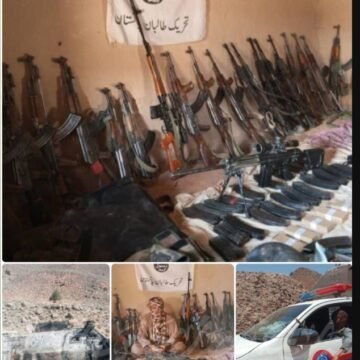
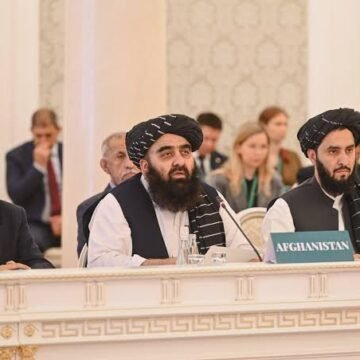
The ideological relationship between the Afghan Taliban and Tehrik-i-Taliban Pakistan (TTP) raises a fundamental question: can a movement credibly invoke Islamic principles while tolerating the use of its territory by a group conducting armed attacks against Muslims in a neighbouring country? A 179-page Pashto book titled Da Ahl al-Sunnah wal-Jama‘ah Aqeedah (The Creed of Ahl...
Emergency Action to Restore Peace in KP
Post

Emergency Action to Restore Peace in KP

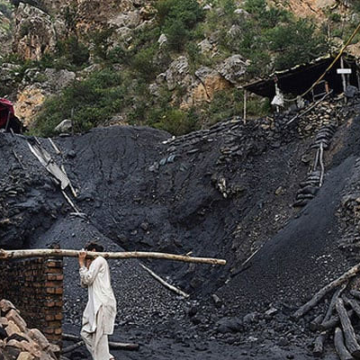
Khyber Pakhtunkhwa has remained on the frontline of Pakistan’s fight against terrorism for more than two decades. Its people, police officers, security personnel and political families have endured immense sacrifices to protect the country. As terrorist violence continues to threaten lives, disrupt education and undermine public confidence, restoring security and effective administration in the province has become an urgent national responsibility. The federal government’s decision to move towards emergency measures and Governor’s Rule must be understood in this context: protecting citizens and restoring the state’s capacity to govern cannot be postponed by political disagreements.

UN Theatre, Foreign Script
Post

UN Theatre, Foreign Script

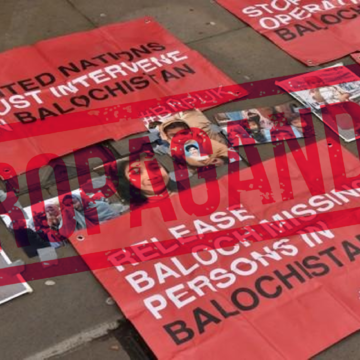
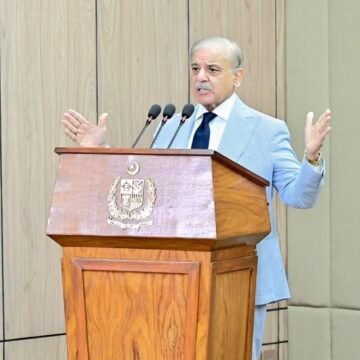
On 25 September, as Prime Minister Shehbaz Sharif addressed the 81st session of the United Nations General Assembly, a small group of overseas Baloch activists gathered outside UN Headquarters in New York. They carried banners, raised slogans and circulated videos across social media. The imagery was designed to present the demonstration as an urgent expression of conscience from Balochistan. But the timing deserves closer examination.

Balochistan: Beyond the Geneva Propaganda
Post

Balochistan: Beyond the Geneva Propaganda

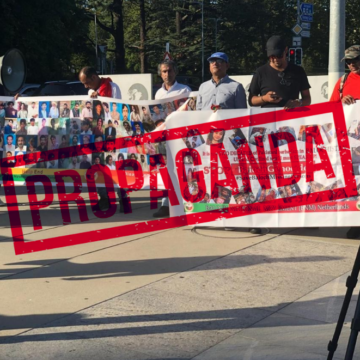
The Baloch National Movement’s recent conference at the Geneva Press Club presented an intensely political account of Balochistan, centred on enforced disappearances, political repression, natural resources, self-determination and the demand for an independent Balochistan. The event brought together BNM representatives, foreign political figures, activists and representatives of other regional movements. Its international visibility is significant. But visibility should not be confused with completeness, and a conference platform cannot by itself settle the historical, constitutional or security questions surrounding Balochistan.

One Script, Many Stages: The Campaign Against Balochistan
Post

One Script, Many Stages: The Campaign Against Balochistan

In the space of a few weeks this autumn, the same story about Balochistan was told on three stages. On 24 September, the Baloch National Movement (BNM) held a conference at the Geneva Press Club under the banner of "Occupied Balochistan." On 25 September, as Prime Minister Shehbaz Sharif addressed the UN General Assembly, a small group of activists unfurled banners outside UN Headquarters in New York. Around the same Geneva season, BNM Chairman Dr Naseem Baloch told the media that Pakistan had "forcibly occupied" Balochistan and was pursuing a daily policy of "kill and dump." Exiled activists such as Noor e Maryam Kanwer delivered similar speeches beneath the Broken Chair outside the UN's Geneva office.

Balochistan Is Not “A Second Division”
Post

Balochistan Is Not “A Second Division”

Manish Rai’s recent BESA analysis, “Balochistan Has Become a Nightmare for Pakistan and Iran,” presents a grim account of terrorist violence in Balochistan and concludes with an extraordinary prediction: that it may only be a matter of time before Pakistan confronts “a second division of the so-called country.”

The BLA Flag and the Politics of a Rewritten History
Post

The BLA Flag and the Politics of a Rewritten History

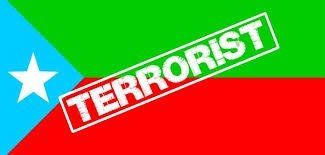
A flag is never merely a collection of colours and symbols. It is a tool for constructing identity, shaping memory and communicating a narrative. In the case of the Balochistan Liberation Army (BLA), a terrorist organisation designated as such by the United States and proscribed by Pakistan, the question is therefore not simply what its flag represents. The more important question is which identity it was intended to create, which identity it was intended to replace, and who determined the symbols by which that replacement would be communicated.

An Inseparable Union: Exposing Indian Propaganda in Balochistan
Post

An Inseparable Union: Exposing Indian Propaganda in Balochistan

The recent commentary published by the Centre for Land Warfare Studies in New Delhi regarding a phantom declaration of independence for Balochistan is rooted entirely in an external fiction. While strategic circles in India debate the merits of strategic ambiguity, their analytical premise relies on manufactured Indian propaganda tactics designed to inflate the profile of fringe terrorist groups. What is depicted across foreign policy journals as a geopolitical shift is nothing more than a digital performance staged by terrorist outfits that possess no territorial foothold, no legitimacy, and no presence in the actual life of southwestern Pakistan.

Gwadar’s Energy Bet!
Post

Gwadar’s Energy Bet!

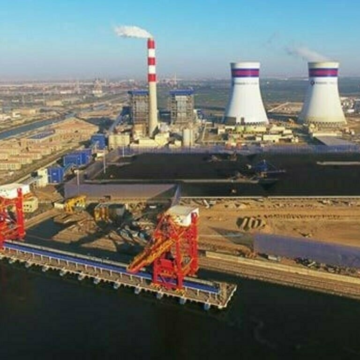
Balochistan has often been discussed through the language of security and underdevelopment. Last week's decision by the provincial cabinet to approve a proposed $14 billion tri-state gas terminal at Gwadar offers an opportunity to reframe the province as an economic gateway rather than merely a security challenge.

Who Really Speaks for Balochistan?
Post

Who Really Speaks for Balochistan?

The recent News18 article, “Why Does Baluchistan Want Independence from Pakistan?”, presents Balochistan primarily through the lens of historical grievances, underdevelopment and separatism. But this framing misses a crucial distinction

Unyielding Resolve!
Post

Unyielding Resolve!

The latest wave of terrorist attacks in Balochistan has once again exposed the enduring threat posed by militant networks determined to undermine Pakistan's security...