The Department of Culture and Tourism of Balochistan has recently held a two-day consultative tourism conference in Quetta to harness the true potential of the tourism sector of Balochistan. This conference was attended by various experts across the country, including Hayatullah Khan Durrani, the first Pakistani to receive the prestigious British Caving Legend Award. The participation of such distinguished practitioners signals a serious commitment towards transforming the tourism sector of Balochistan.
Balochistan is considered to be an unexplored heaven, yet it contributes little to the tourism GDP of Pakistan. Although the tourism potential of Balochistan has been recognized by the Asia Pacific Journal, which states that tourism has the potential to be an agent of change for Balochistan, the province remains largely overlooked.
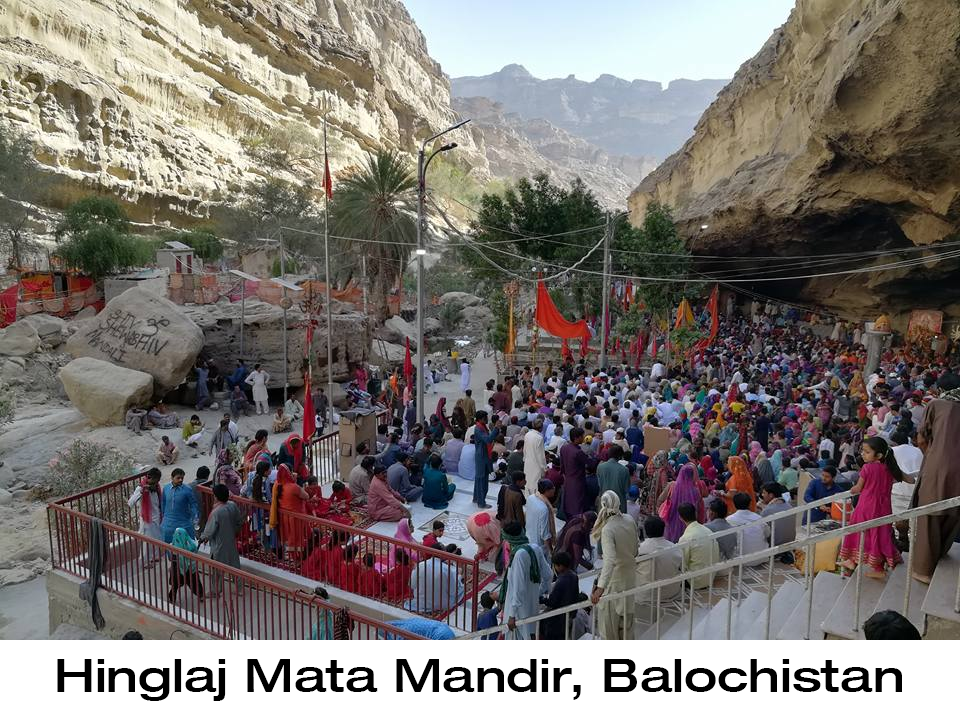
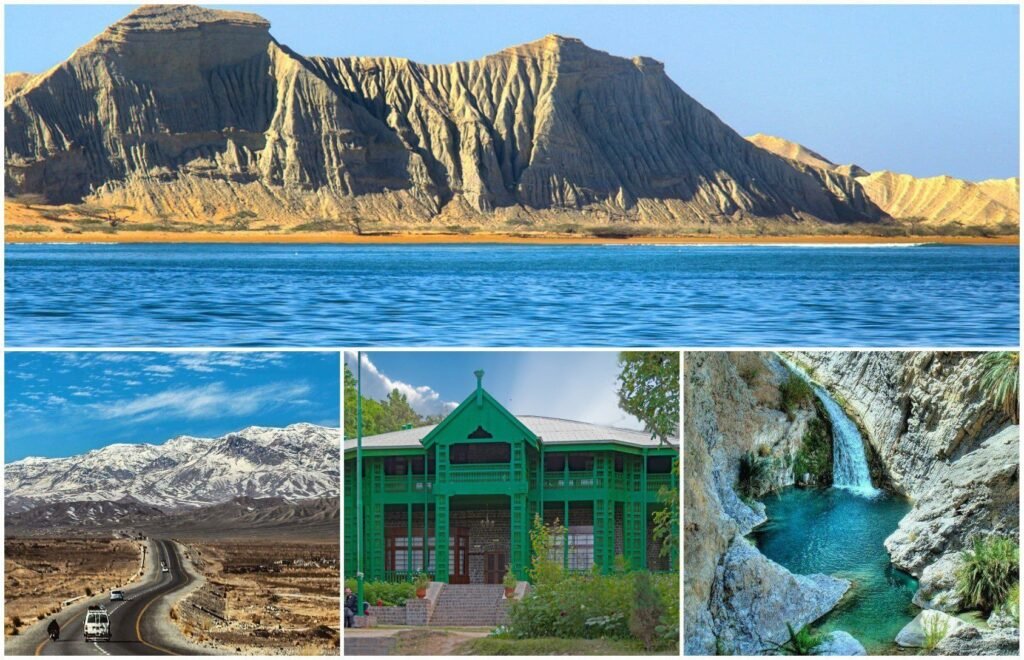
Balochistan hosts diverse tourism opportunities including ecotourism, religious tourism, adventurous tourism, cultural tourism, archaeological tourism, and sports tourism, making it a treasure trove of untapped potential. From Kund Malir, Ormara and Rus Malan beaches to Astola Island, from Hingol National Park to Hinglaj Temple to the archeological sites of the Mehrgarh civilization and tunnels along the Quetta-Chaman Railway line all these sites add to the rich tourism potential of Balochistan.
The two-day tourism conference culminated in the formulation of Balochistan Tourism Policy 2026. The policy aims at empowering the local population, attracting investment in the tourism sector, and enhancing the image of Balochistan at the global level.
In order to transform Balochistan into tourist destination, the policy emphasizes on adventure tourism, coastal tourism, cultural tourism and eco-tourism. By Utilizing the Zarghoon Range, Toba Kakar Range, and Chiltan Mountains through mountaineering, trekking, and speleology, the adventure tourism will help to attract the investors and explorers across the globe. As Adventure tourism requires limited infrastructural development and will boost the tourism potential of the province.
The tourism policy emphasizes on institutional capacity building through different training programmes and formulation of tourism board is a positive step towards policy execution. As policy without institutional coordination and human capital investment does not produce optimal results. Equally important is the realization of marketing and branding in a increasingly competitive global tourism market.
This strategy will help to promote the tourist spots across the globe. By recognizing foreign financing sources and public-private partnerships as practical tools for long-term investment, the strategy goes beyond the traditional dependence on public spending. This strategy makes sense financially since government funds are inherently inadequate to cover the level of investment required to make Balochistan a competitive travel destination.
Indubitably, this is a comprehensive and sustainable tourism policy for encouraging the true image of Balochistan, but security perception and infrastructural deficiencies must be tackled at the earliest to showcase the ground realities of Balochistan.
Moreover, there is a dire need to make Tourism Authority board with decision making power and autonomy. It must have the representation from local communities and private sector and environmental experts to ensure inclusive and sustainable tourism.
Secondly, local communities must be actively involved in all stages of the planning and implementation process, not merely as beneficiaries but as genuine stakeholders and partners. Local populations possess invaluable knowledge of the geography, cultural heritage, seasonal patterns, and untapped opportunities that no external expert can replicate.
Thirdly, a comprehensive marketing campaign must be launched to attract both domestic and international investors in the tourism sector of Balochistan.
The tourism policy of Balochistan 2026 represents one of the comprehensive and sustainable policy frameworks. The involvement of various experts, recognition of adventure tourism and incorporation of environmental concerns shows genuine intent for tourism promotion. If this policy be implemented in true letter and spirit, tourism will become the real agent of change for Balochistan.