
The Balochistan government has recently announced its budget of about Rs1,089 billion for the year 2026-2027. It is a significant step toward addressing the province’s long-standing developmental challenges. About 206 billion Rupees has been allocated for development outlay, the provincial government is signaling a clear commitment to transformative growth across multiple sectors. This budget offers a roadmap that could reshape the economic trajectory of the Balochistan province.
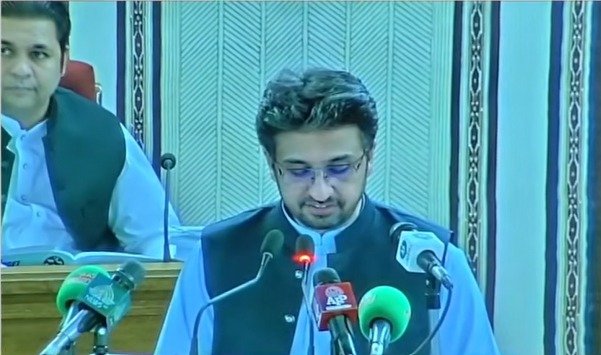
What stands out most about this budget is its reflection on developmental priorities. The allocation of Rs106 billion for new schemes and Rs100 billion for ongoing projects demonstrates a balanced approach thus acknowledging the importance of continuity while investing in innovative tactics. This dual strategy is crucial for a province that has historically faced interrupted development cycles.
The recognition of human resource development through a seven percent increase in salaries and pensions is equally noteworthy. Attracting and retaining talent in government institutions has been a persistent challenge in Balochistan, and this investment acknowledges that sustainable development requires a motivated and capable workforce. The creation of 5,000 new jobs across key departments further reinforces the government’s understanding that employment generation is essential for social stability and economic growth.
The healthcare sector’s allocation of Rs96 billion, with Rs7.7 billion dedicated to new initiatives, represents a substantial commitment to public health infrastructure. Balochistan’s healthcare indicators have long lagged behind national averages, and this investment could catalyze meaningful improvement. Better healthcare facilities not only save lives but also increase labor productivity and attract skilled professionals to the region thus creating a multiplier effect on development.
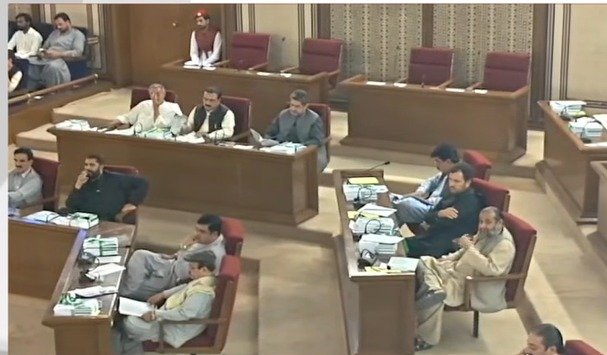
Equally important is the focus on agriculture, minerals, and digital economy through eleven targeted projects. Agriculture remains the backbone of Balochistan’s economy, particularly in rural areas, and strategic investment in this sector can yield rapid returns. The inclusion of digital economy initiatives is the realization of the fact that Balochistan cannot afford to miss the fourth industrial revolution. These projects could position the province as a digital hub, diversifying its economic base beyond traditional sectors.
The Rs3.8 billion allocated for tube well solarization is an example of targeted, innovative development spending. This initiative addresses multiple challenges such as water scarcity, reduces operational costs through renewable energy adoption, and empowers farmers economically. Such multi-benefit projects demonstrate sophisticated policy thinking and should become a model for future development interventions.
The external support component including Rs45 billion in federal grants and Rs40 billion in foreign assistance reveals pragmatic financial planning. Rather than relying solely on internal resources, the government is leveraging national and international support systems. This approach is not only financially sound but also ensures that development initiatives meet international standards and best practices.
Another strength of this budget is its implicit recognition of inclusivity. The geographical diversity of agricultural and mineral projects suggests an attempt to ensure that development benefits extend beyond major urban centers. Similarly, the emphasis on job creation across departments indicates an effort to distribute opportunities equitably.
In a nutshell , this budget suggests that the provincial government is finally ready to translate potential into prosperity. The allocation patterns reflect developmental priorities that are both ambitious and achievable.