Balochistan, the landmass powerhouse of Pakistan, boasting vast economic and mineral potential, has stood as a vital constituent of the country’s federal structure from the moment of its accession. Since the dawn of the nation, Balochistan has endured trials, not from the state’s governance issues, but from unyielding foreign conspiracies aimed at destabilizing the country.
Recent analyses from Balochistan government spokesperson Shahid Rind have stripped away the façade of this hybrid warfare, laying bare the nexus of externally funded terrorists, their ideological handlers, and their efforts to externalize a local issue.
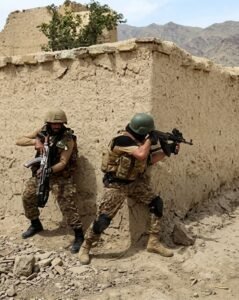
The brazen attack on the Jaffar Express remains a grim symbol of violence employed by outlawed outfits like the Balochistan Liberation Army (BLA). They do not represent the aspirations of the Baloch people; they deliberately target infrastructure of national connectivity and growth to generate fear among the masses. These are not random acts of defiance, but coordinated campaigns driven by foreign puppet masters.
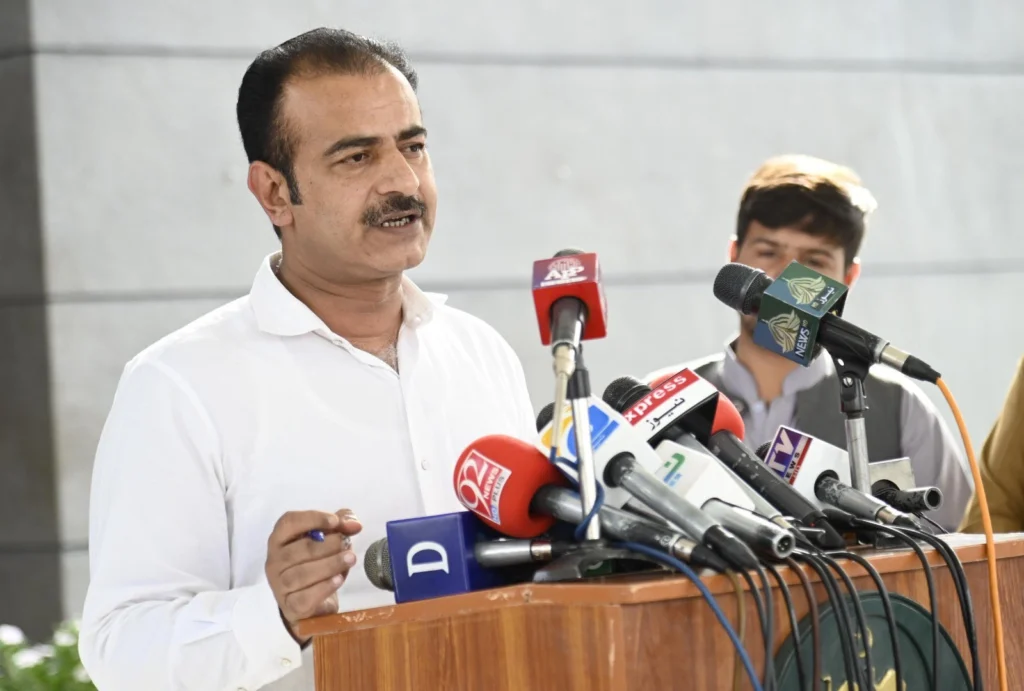
Shahid Rind has rightly underscored how these subversive elements exploit the Baloch Yakjehti Committee (BYC) platform to cultivate an environment that radicalizes receptive educated youth from top-tier universities to serve hostile agendas that seek nothing less than the dismemberment of Pakistan. He uncovered the workings of groups like the Balochistan Liberation Front (BLF) and its head, Dr. Allah Nazar, whose diaries reveal a calculated strategy of deploying militancy in Pakistan while opting for political mechanisms in Iran and Afghan Balochistan.
Voices like Iftikhar Firdous serve as echo chambers that directly or indirectly provide intellectual validation to extremist narratives targeting the state. This is systemic hypocrisy, they are not fighting for rights, but aiming for “Greater Balochistan,” seeking to fragment not just Pakistan but the entire regional order.
The state welcomes voices of political actors who stand for the rights of their people. Those who rule by brute force cannot claim to engage in genuine rights discourse. Their primary language is separation and the removal of state authority. When they challenge the state’s monopoly, the response will be equally firm.
Balochistan is not an unsolvable problem, but a national challenge. The Pakistani security establishment has continuously highlighted foreign interference, especially by India’s intelligence agency RAW, alongside Mossad elements, to sabotage Pakistan’s development, particularly the China-Pakistan Economic Corridor (CPEC). Failing in direct attacks, they have transitioned to proxy networks to dismantle landmark initiatives like the Reko Diq project, which is central to the economic lifeline of the province and the nation.
Utilizing regional territory such as Afghanistan to obstruct Balochistan’s emergence as an economic powerhouse is their ultimate objective. Nevertheless, defying all odds, the province continues to march forward with development and comprehensive integration into the national mainstream.
Mainstream Balochistan nationalists have remained detached from the National Action Plan (NAP). Yet the NAP possesses the capacity to be a definitive cure, if fully embraced. It is a blueprint to neutralize foreign-backed terrorists, choke their propaganda, and revive an environment for constitutional politics, bridging the gap between authentic grievances and the disguise of armed separatism.
The citizens of Balochistan bear the true cost. They are trapped between vast macro-economic development opportunities and persistent instability. Many development projects have been delayed and undermined by targeted violence, scaring away investors. Attacks on schools, hospitals, roads, and infrastructure projects only drive communities deeper into deprivation and alienation. Families lose breadwinners. Children miss school. Businesses suffer from extortion.

Terrorists do not want the province to remain stable, nor do they want development to succeed which could address genuine grievances. They create fear of outsiders and frame development as “occupation.” They blame the state for the lack of services, but actively hinder the very process of making those facilities available to the population.
They do not want peace, it would end their relevance. They need instability to survive. If they genuinely sought resolution, they would enter negotiations with the state, cease attacks on civilians, and allow development to succeed. They do none of these things. This cannot be masked as liberation, it is a clear commitment to separatism and a war without end.
Balochistan is an integral part of Pakistan. Any attempt at separation is a direct threat to national sovereignty and territorial integrity. The people want jobs, not endless conflict. Peace is possible, especially peace with development, but it must not come at the cost of national unity.