The Baloch Yakjehti Committee’s (BYC) recent call for a complete shutter down following the life imprisonment of Dr. Mahrang Baloch was intended to galvanize widespread opposition to the verdict. Yet, the lack of a meaningful public response has exposed the public rejection of the false narrative which BYC has largely propagated. The intent was to exploit public sentiments into a massive, disruptive street presence. However, the outcome revealed that the BYC’s ability to influence the public is significantly more limited than its leadership claims, demonstrating a clear gap between political rhetoric and grassroots sentiment.
On June 22, 2026, the ATC sentenced Dr. Mahrang Baloch and an associate, Sibghatullah, to life imprisonment. The court found them guilty of murder, terrorism, and inciting a mob during a violent protest in Gwadar in July 2024. According to the judicial record, these actions directly led to the death of a Frontier Corps soldier, Sepoy Shabbir Ahmed.
The state maintains that the judicial process was conducted within the bounds of the law, holding accountable those who jeopardize public safety and target state officials. For many citizens, the verdict is a necessary step in restoring order and upholding the rule of law. The perception among a significant portion of the population is that the BYC has exploited the concept of advocacy to provide cover for individuals who facilitate terrorism, thereby aligning their movement with anti-state activity rather than the pursuit of legitimate grievances.
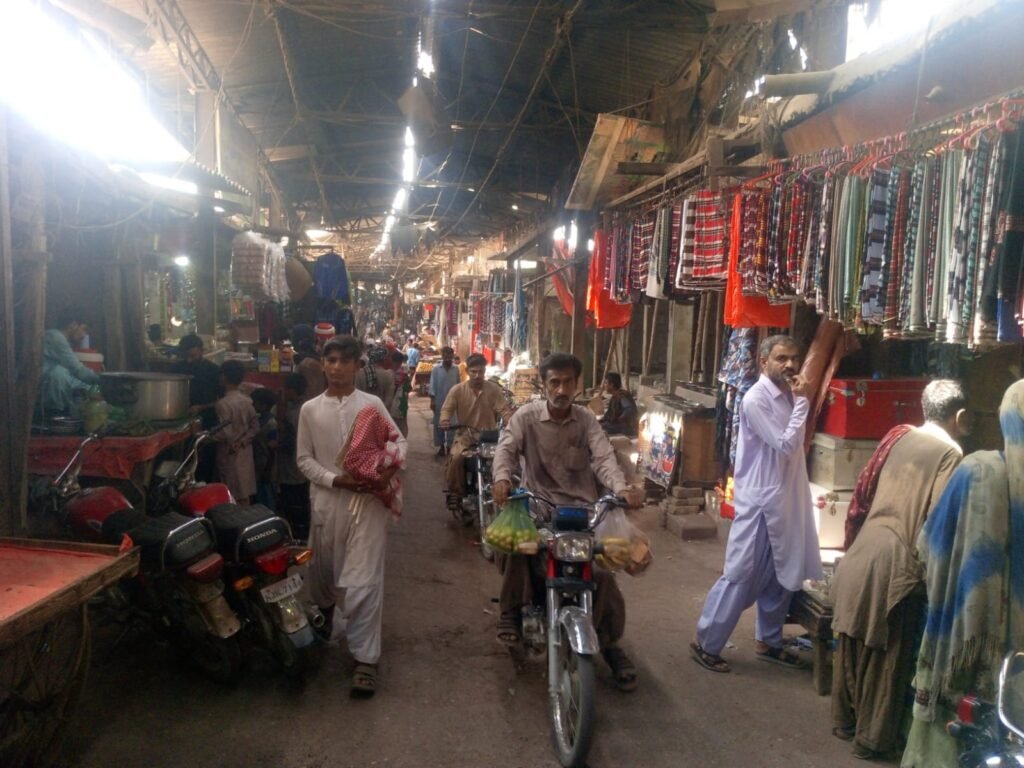
When the BYC issued its call for a shutter-down strike across Balochistan, encompassing areas like Dalbandin, Pishin, Gwadar, Nokandi, and Taftan, it anticipated that the public would rally behind the cause. Instead, the response was a resounding, and remarkably quiet, rejection. Across these regions, markets remained open, and businesses continued their operations as usual. Shopkeepers and traders consciously chose to prioritize their economic livelihoods over participation in a polarized agenda.
This collective choice represents a pragmatic calculation by ordinary people. In an environment defined by economic pressures, the cost of shutting down businesses for a foreign agenda is high. When communities perceive that an activist group is pushing an agenda linked to terrorism or the destabilization of state institutions, the incentive to comply with a strike call vanishes. The local populace clearly drew a distinction between their own survival and terrorist agendas.
Ultimately, the failure of this mobilization offers a vital lesson that ordinary people do not support such causes when the priorities of so-called activists diverge sharply from their economic needs and security concerns of the state. In such circumstances, the public chooses stability over the demands of organizers. The open shops in Chagai stand as a testament to the fact that, when given a choice, people favor the rule of law and economic continuity over the chaotic narratives of those who defy the judicial process.