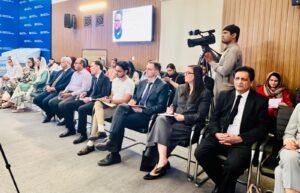
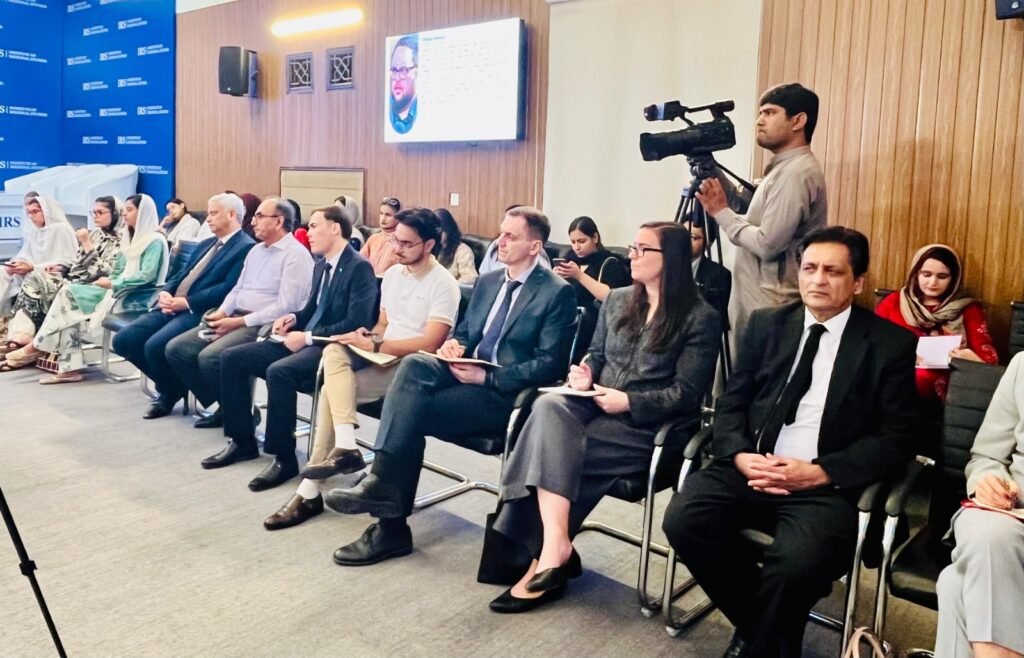
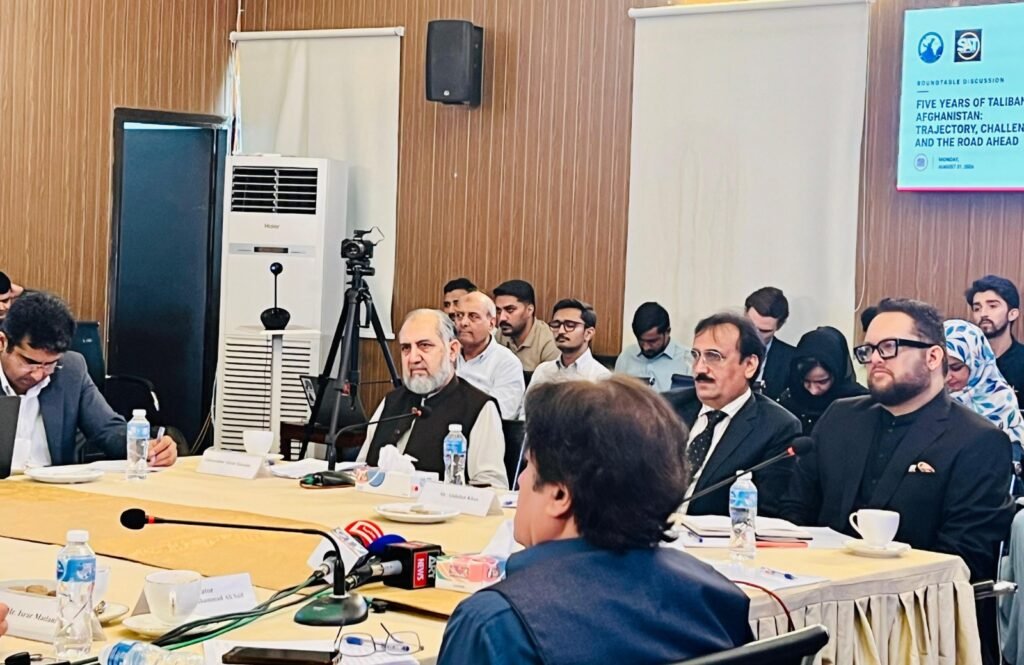
A major conference held in Islamabad to mark five years of Taliban rule in Afghanistan delivered a blunt assessment of the regime’s record. The conference was organized by the Institute of Regional Studies in collaboration with South Asia Times, bringing together policy experts, think-tank analysts, Afghanistan specialists, policymakers, diplomats, and national and international observers. The conference highlighted that the Taliban have failed to build an inclusive system of governance, uphold basic rights, or meet the security and economic expectations of Afghans and the region.
Various experts highlighted that Afghanistan has fallen short of its claims of inclusive government. The Taliban government has concentrated power within a narrow circle. The traditional Shura system, once a mechanism for consultation across Afghan society, has weakened. Decision-making has become more centralized and less representative. Ordinary Afghans continue to pay the price for these institutional failures. The conference described this as a structural problem, rather than a temporary shortcoming, in Afghanistan.
The worsening situation of women in Afghanistan has drawn particular concern. Access to education and employment remains severely restricted. Girls above a certain age are barred from secondary and higher education. Women face sweeping restrictions on work and public life. The declaration called this situation alarming and a clear violation of basic human rights. Five years after the Taliban returned to power, half the population remains systematically excluded from economic and social participation. This exclusion deepens poverty and undermines any prospect of sustainable recovery.
The economic conditions have deteriorated further. Inflation, unemployment, and growing hardship define daily life for millions of Afghans. The conference highlighted that the Taliban government has not addressed the concerns repeatedly raised by regional and international partners. Frozen assets, reduced aid, and policy isolation have compounded the crisis. Three-quarters of the population lives in poverty. These economic failures are not abstract; they fuel instability and migration while leaving the Afghan state unable to deliver basic services.
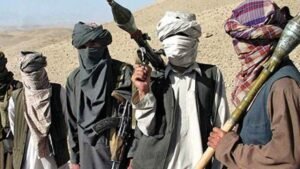
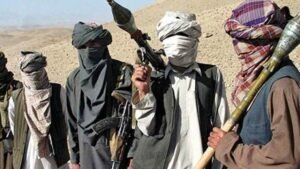
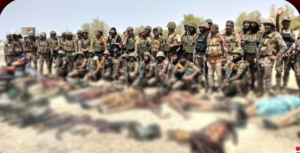
Security formed the sharpest part of the assessment. Groups including the Tehreek-e-Taliban Pakistan (TTP), Islamic State Khorasan Province (ISKP), and Balochistan Liberation Army (BLA) continue to operate from Afghan territory. These organizations pose direct threats to Pakistan and other neighboring countries. Participants stressed that Pakistan has shown extraordinary restraint despite a sustained campaign of attacks planned and coordinated from across the border. The Taliban have failed to dismantle these sanctuaries or take verifiable action against them.
The conference also noted the reported expansion of armed resistance movements against the Taliban. These groups have extended their operations into key urban and strategic areas, including Kabul, Kandahar, and Kunduz. This development undercuts the regime’s narrative of complete territorial control and restored stability. After five years, the Taliban face simultaneous challenges from internal dissent, terrorist organizations they have not confronted, and a population that sees little improvement in daily life.
Diplomatically, the regime remains isolated. No major power except Russia has granted formal recognition. Regional states continue to demand that Afghan soil not be used against them. Pakistan’s core expectation from the Taliban regime has been respect for its sovereignty and an end to the use of Afghan territory for terrorism. The conference reiterated that verbal assurances are insufficient. Tangible, verifiable measures are required.
The Islamabad Declaration leaves no room for ambiguity. Five years after the Taliban seized power, Afghanistan still lacks inclusive governance, basic rights for women, economic relief for its people, and credible action against terrorist groups that threaten the region. These are not separate shortcomings. They form a single, compounding failure. Weak institutions produce exclusion. Exclusion produces hardship. Hardship and ungoverned spaces produce security threats that spill across borders.
Pakistan and other neighbours cannot treat these outcomes as Afghanistan’s internal matter alone. Sanctuaries for the TTP, ISKP, and BLA directly endanger Pakistani lives and regional stability. Engagement without results only postpones the cost. The conference made the standard clear: promises must be replaced with performance. An inclusive political process, restoration of women’s education and employment, economic measures that ease public hardship, and the verifiable dismantling of terrorist infrastructure on Afghan soil remain the tests the Taliban have yet to pass. Until those tests are met, the fifth anniversary of Taliban rule will stand as a record of unfulfilled claims.