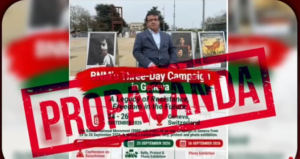
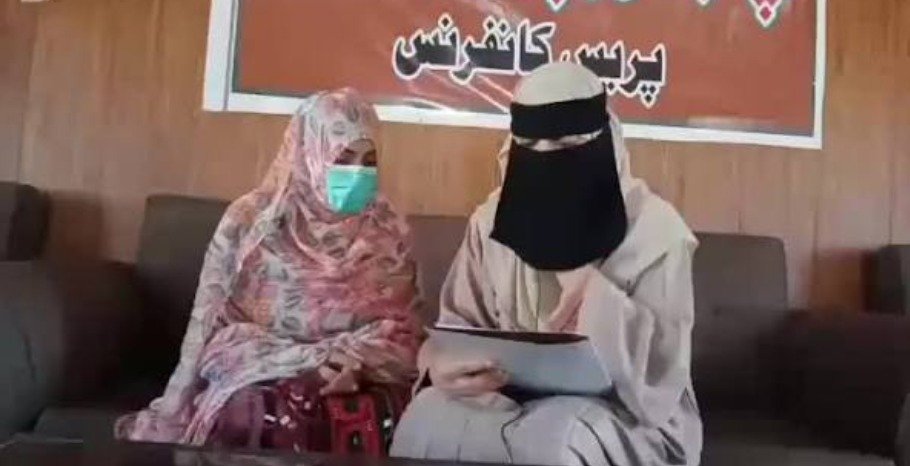
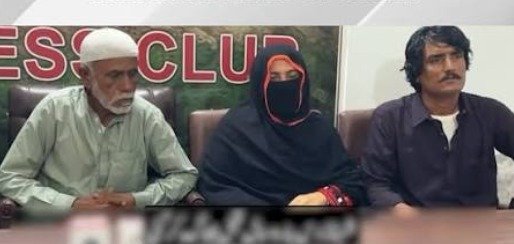
Since May and June 2026, Balochistan has experienced an unprecedented wave of families publicly disowning their sons, daughters, and relatives. At the Lasbela Press Club, a father recently took the step of publicly distancing himself from his daughter, Sania, due to her alleged involvement in terrorist activities. Similar instances have been reported in Panjgur, Gwadar, and Quetta, where residents have held press conferences to unequivocally disassociate themselves from brothers and sons. These are not simply examples of personal rejection but they illustrate a broader and more significant reality. Specifically, the Baloch people are growing weary of BYC and BLA propaganda. The local population of Balochistan has come to recognize that any organization which massacres innocent civilians, targets public infrastructure, and weaponizes women for its agendas do not represent Baloch people. In fact, they have become fed up by the false narrative of BYC and BLA.
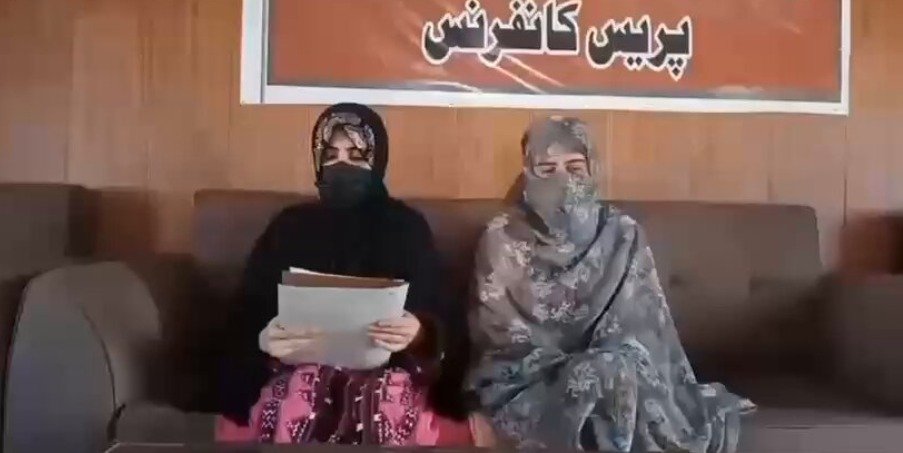
This public sentiment is further reinforced by the fact that it is not only families who are disowning their relatives; people are also turning against the organizations themselves. The case of Adeeba Zaheer, the former president of BYC Panjgur, and Khadija Ghias, a social activist linked to the BYC, provides notable examples in this regard. Both have announced their dissociation from the organization, and these cases suggest that after recognizing the true image of the BYC as a pipeline for terrorist activities, some members have chosen to leave. Their dissociation further reinforces the sense that people are growing tired of BLA and BYC propaganda. In essence, the movement is experiencing defections from within its own ranks.
To understand this breaking point, one must recognize that it results from a calculated two stage recruitment process designed to exploit the genuine economic and social grievances of the province. The pipeline begins with the civilian apparatus of the Baloch Yakjehti Committee, which uses public protests and emotional social media campaigns to cultivate resentment among educated, middle-class youth and students. Once individuals are ideologically isolated and radicalized by this messaging, they are said to be channeled into the armed wing of the BLA. The cases of Bilal Shahwani and Khair un-Nisa show how the BYC’s “missing person” narrative was later contradicted when these individuals were reportedly found undergoing training with a terrorist group. This contradiction between human right and terrorist training has become a crucial factor in eroding public trust.
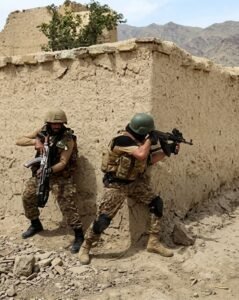
There are multiple reasons behind the public exhaustion described here with BLA and BYC propaganda. First and foremost, the loss of innocent lives has repeatedly shaken the province’s social fabric. From the Jaffer Express hijacking to the Chaman Phatak attack, which claimed the lives of 24 people and left more than 70 injured, many feel that innocent people are paying the price for silence. Furthermore, the claim that these organizations kept a known terrorist on their missing persons list is presented as proof that the narrative of victimhood is being systematically manipulated as a propaganda tool to gain sympathy. Bilal Shahwani, described as a BLA suicide bomber, was cited as having been listed by the BYC as a missing person. On this view, the BYC effectively serves as a pipeline for the BLA, fighting its narrative war by other means. This manipulation of victimhood claims has become a central point of contention for ordinary citizens.
Another driver of public fatigue with the BLA and BYC is the weaponization of women, which stands in direct violation of Baloch cultural norms. Prior to the emergence of these structured front groups around 2020, female suicide bombings were entirely absent from the province’s history. Since the first such attack in April 2022, however, multiple young women have reportedly been pushed into coordinated suicide operations across Quetta, Gwadar, and Panjgur. Pre attack videos showing these operatives appearing detached and disoriented are pointed to as evidence of the intense psychological manipulation and grooming required to transform daughters and mothers into instruments of death. Local communities are said to view this tactic as a profound desecration of their social norms, with backlash against recruiters described as severe. The video of Shaynaz Baloch, released by Hakkal Media, showing women are weaponized for terrorist activities, is a stark violation of Baloch values and culture and as one of the central reasons people are turning against this narrative. This transgression of cultural boundaries has united opposition across diverse segments of Baloch society.
Beyond the human toll, there exists the systematic targeting of infrastructure that could otherwise alleviate poverty in Balochistan. Gas pipelines, electricity grids, schools, hospitals, and markets are regularly attacked. These attacks are intended to ensure the province remains isolated and underdeveloped. The underlying logic, as presented here, is that by preventing development and keeping the population deprived, terrorist recruiters can secure a steady stream of frustrated youth for their cause. When schools are threatened and roads are destroyed, it is local Baloch children and workers who lose their future. Moreover, investors remain hesitant to enter the region because of constant threats against engineers and laborers, thereby trapping the province in a cycle of underdevelopment. In this way, the infrastructure attacks serve both to destabilize the region and to perpetuate the conditions that fuel recruitment.
Taken together, these developments, public disownments by families, resignations by former BYC members, the human cost of attacks like Jaffer Express and Chaman, the weaponization of young women in violation of Baloch cultural norms, and the persistent targeting of infrastructure, are converging evidence of a single underlying shift that the ordinary Baloch citizens are distancing themselves from false narrative they no longer trust.