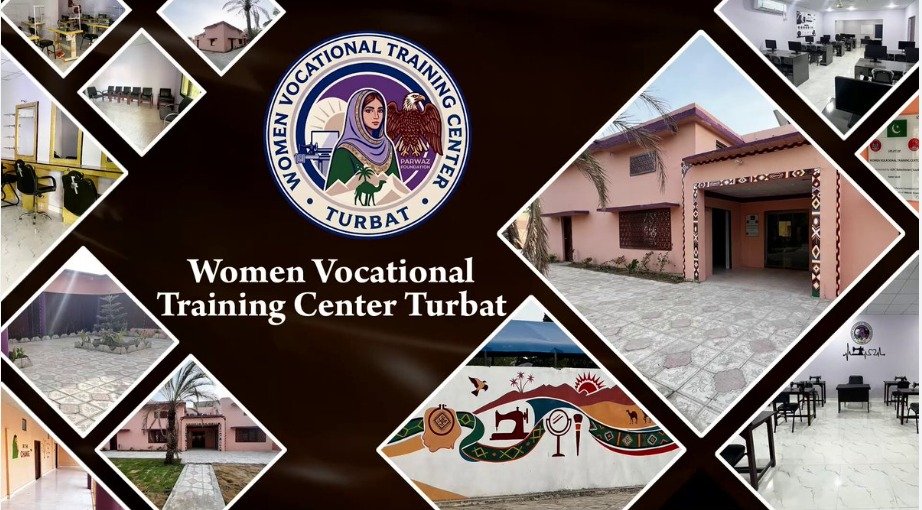
FC Balochistan (South) has recently inaugurated the Women Vocational Training Center in Turbat, bringing transformative opportunities for women in the region. The center was renovated under the Parwaaz Foundation initiative as a modern training hub equipped with state-of-the-art equipment and comprehensive skill-building opportunities. For example, the IT Center houses 26 fully functional computers, bringing digital literacy and modern computer skills to women who might otherwise lack access to technology. The Sewing and Embroidery Center is equipped with 30 sewing machines and 22 embroidery machines, allowing women to learn both traditional textile crafts and modern techniques that can be transformed into profitable enterprises. Additionally, the Beautician Center has been furnished with 3 modern workstations along with comprehensive training resources.
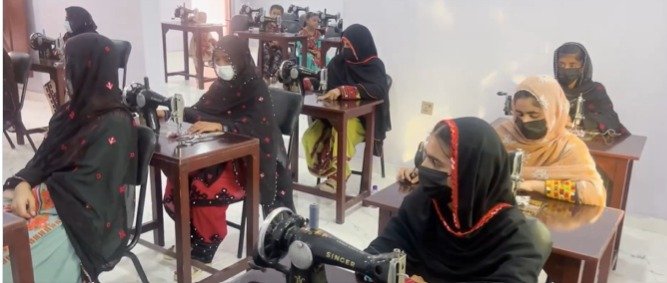
The center has enrolled 40 female trainees in its first batch, guided by 11 qualified instructors, with admissions for a second batch remaining open. The enthusiastic response from Turbat’s women demonstrates their willingness to embrace these valuable opportunities.
The most direct impact of this vocational center lies in economic empowerment. For women in Balochistan, where employment opportunities are historically limited, these skills translate directly into financial independence. A woman trained in IT can pursue remote work opportunities with companies across Pakistan and beyond. Those learning sewing and embroidery can establish home-based businesses, creating beautiful traditional clothing that appeals to both local and online markets. The beautician training opens doors to salon employment, freelance work, or starting an independent beauty business. Even modest income from these skills can significantly improve a woman’s economic situation.
The ripple effects of this center extend throughout the community in ways that traditional education alone cannot achieve. When one woman succeeds in her vocational training and establishes an income source, she becomes a living example for others. This demonstration effect is particularly powerful in communities where women’s economic participation was previously limited. The center itself becomes an economic hub, creating employment for instructors and support staff from within Turbat, while trainees purchase materials and supplies locally. As women earn income through their skills, that money circulates within the community, strengthening local markets and small businesses.
For Balochistan specifically, this center addresses profound structural challenges that have historically limited women’s opportunities. Geographic remoteness has meant that most women cannot access educational institutions in distant cities. This center brings opportunity directly to their doorstep in Turbat. The facility respects Balochistan’s cultural heritage by offering traditional embroidery alongside modern IT skills, honoring traditions while preparing women for the contemporary economy. By providing practical skills rather than abstract education, the center ensures that training translates quickly into employment and entrepreneurship. The initiative demonstrates the commitment of both government and non-governmental organizations to recognizing and removing real barriers that women face. It conveys a powerful message that women’s economic participation is essential for regional development. When the state invests in women’s vocational training, it signals that women’s empowerment is a priority worthy of resources and strategic planning.
Thus, the inauguration of this vocational training center in Turbat is far more than a ribbon-cutting ceremony. It represents a transformation in the economic conditions of Balochistan’s women. The 40 trainees in the first batch, along with many who will follow, are not simply gaining job skills; they are gaining independence, dignity, and self-determination. They are becoming agents of their own futures. For a region where women’s opportunities have historically been constrained by geography, tradition, and limited infrastructure, this center is a beacon of hope for the women of Balochistan.