In the heart of Pakistan lies Balochistan, a vast and resource rich province whose destiny is inseparable from the nation. This was the central message of a recent discussion on the Khabar Kada platform, where Faiza Zafar hosted Babar Khan Yusuf Zai- aide in the Home Department of Balochistan. Their conversation painted a vivid picture of a region brimming with potential yet confronting persistent challenges, particularly from external forces seeking to undermine its progress. Far from being a peripheral territory, Balochistan emerged as the very backbone of Pakistan, strategically vital, economically promising, and central to the country long term prosperity.
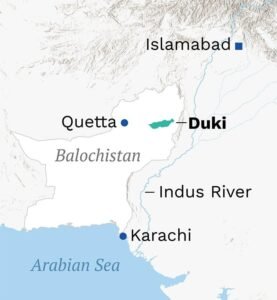
Spanning nearly forty four percent of the country’s landmass and sharing extensive borders with Iran and Afghanistan, Balochistan holds the keys to transformative projects that could redefine Pakistan’s economic landscape. The China Pakistan Economic Corridor, the deep-water port of Gwadar, and Reko Diq mining initiative were highlighted as cornerstones of this potential. With its abundant natural resources, often described as richer than some of the most legendary deposits in history, the province is poised to become a hub for mining, trade, tourism, and regional connectivity. Yet this very richness, the speakers noted, has made it a target for those who fear a strong and self-reliant Pakistan. Enemies understand that if Balochistan thrives, the entire nation rises, which is why efforts have been made by adversaries to destabilize the province.
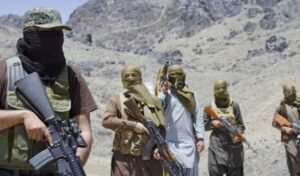
As the discussion turned to the security threats that continue to cast shadows over this promise. Terrorist groups such as the BLA, BLF, and elements linked to the TTP operate not in isolation but as proxies in a larger game of foreign interference. India, through what the speakers termed Fitna-Al-Hindustan, along with networks operating from Afghan soil and even hints of broader external involvement, has been accused of funding and directing attacks on soft targets including workers, passengers, infrastructure, and security personnel. Specific incidents, including the recent attack on the Ziarat police post, were cited as stark examples of this pattern, often planned across the border and executed with local facilitators whom the guest unflinchingly called snakes in the grass. Operation Ghazab lil Haq and daily intelligence-based operations by Pakistan’s security forces were presented as resolute responses, underscoring the daily sacrifices of soldiers and the determination to restore complete writ of the state.
Babar Khan Yusufzai emphasized that these terrorists hold no genuine connection to the Baloch people themselves. Local communities, he argued, are increasingly resisting such elements, and the government’s approach combines firmness with opportunity. The repatriation of long staying Afghan refugees was framed as a necessary step grounded in national priorities after four decades of hospitality that had begun to strain resources and security. At the same time, the door remains open for those willing to abandon violence, though no concessions are offered to those who have spilled innocent blood.
Amid these challenges, the conversation shifted toward hope and concrete progress. The government, the speakers stressed, is investing heavily in human capital, recognizing that Balochistan’s youth represent both its greatest asset and its most vulnerable target for propaganda. Initiatives include sending thousands of young people abroad for technical education in the Gulf and Europe, alongside prestigious scholarships to institutions like Harvard and Oxford. Merit based recruitment for government jobs is being revolutionized through artificial intelligence to ensure transparency and eliminate favoritism. Women’s empowerment featured prominently, with programs such as the Pink Scooty scheme and Pink Buses expanding access and mobility, alongside increased employment quotas that signal a genuine commitment to inclusive growth.
Equally important is the battle against narratives designed to sow division. The speakers described a sophisticated fifth generation warfare being waged through social media, where accounts traced largely to India, Afghanistan, and Europe spread misinformation about missing persons, portray Punjab as an occupier, and amplify movements like BYC. A dedicated media cell within the Home Department monitors these efforts and counters them with facts, while student politics in universities has been curtailed to prevent radicalization. The message to the youth was clear and urgent: channel your energy into education, progress, and national unity rather than despair or agitation. Read, write, and build. This is how conspiracies are truly defeated.
Economic optimism threaded through the entire conversation. Terrorists may sabotage projects and target Chinese workers or infrastructure, but the provincial government is sending an unambiguous signal to investors: come to Balochistan with confidence, because your security will be protected. A new action plan prioritizes this assurance, reinforcing that development cannot be held hostage by fear. Balochistan’s fisheries, minerals, trade routes, and untapped tourism potential were presented not as distant dreams but as tangible realities within reach once stability is fully secured.
As the discussion drew to a close, the guest emphasized that province’s challenges are national challenges, its victories are national victories. By rejecting foreign funded propaganda, supporting security forces, embracing education, and investing in inclusive development, the people of Balochistan can help forge a brighter, more secure future for the entire country. In the end, the podcast left listeners with a powerful reminder that the heart of Pakistan beats strong, and with collective will, determination, and vision, it will only grow stronger in the years ahead.