Taking allegations to Geneva, London, or other international platforms creates international visibility, not automatic international verification.
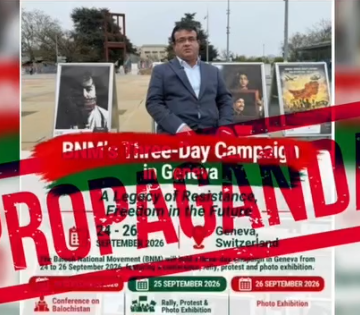

Taking allegations to Geneva, London, or other international platforms creates international visibility, not automatic international verification.
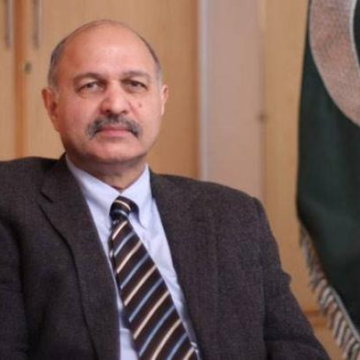
A video clip of veteran politician Mushahid Hussain Syed has surfaced in which he claimed that “Pakistan trained Osama bin Laden and Ayman al-Zawahiri at the behest of the CIA.” The claim collapses several distinct actors, networks and phases of the Afghan jihad into a single narrative that the historical record does not substantiate.

Naseem Baloch, who used to be part of terrorist organization BLA as well as Majeed Brigade and his Baloch National Movement (BNM), who provide political leverage to these terrorist organizations, routinely leverages these foreign venues to project an illusion of international proceedings, a narrative completely detached from ground realities.
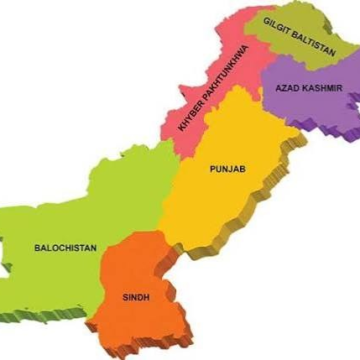
Pakistan’s debate over new provinces has entered a new phase in 2026. Calls for administrative restructuring have once again moved to the center of national political discussion, reflecting a growing recognition that Pakistan’s governance structure must evolve with its expanding population, rapidly growing cities and increasingly complex development needs. The case for new provinces rests on a fundamental administrative principle: governance becomes more effective when power, resources and decision-making move closer to the people.

Due to strained domestic relations with her own sister Gunj Bibi, Gulzadi Baloch lured her brother-in-law, Qazi Muhammad Azam, to her home under false pretenses and brutally murdered him.
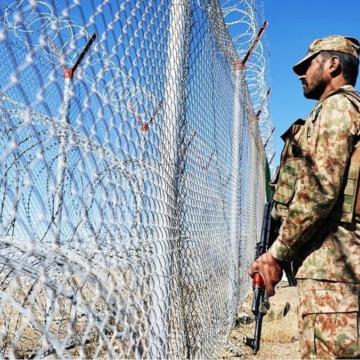
Pakistan carried out targeted airstrikes against identified hideouts of the banned Tehreek-i-Taliban Pakistan (TTP) and affiliated terrorist elements in Afghanistan during the night of September 20–21, striking locations in Kunar and Paktika near the Pakistan-Afghanistan border. According to Pakistani security sources, the intelligence-based strikes killed 28 terrorists and injured more than 100 others.
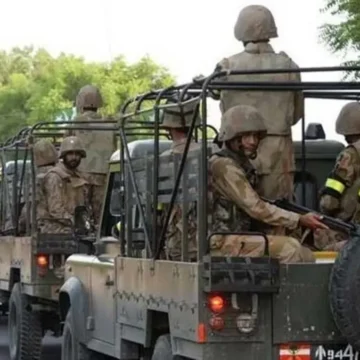
خبر کدا)ویب ڈیکس(: سرکاری ذرائع کے مطابق یہ کارروائی پنجگور کے علاقے پروم پیروم کے مقام پر 'افان کوہ' میں انٹیلی جنس کی بنیاد پر کی گئی۔ سکیورٹی فورسز نے دہشت گردوں کی موجودگی کی اطلاع پر آپریشن کیا، جس دوران شدید فائرنگ کے تبادلے میں چار دہشت گرد ہلاک ہو گئے۔
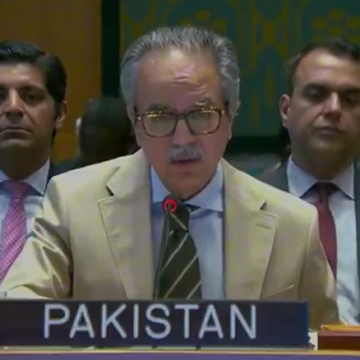
The United Nations Security Council's September 16 session on Afghanistan was billed as a routine quarterly briefing. It became, instead, a cumulative indictment. Five years after the Taliban regime seized Kabul, and nearly six since it signed the Doha Agreement promising to sever ties with terrorist networks and deny Afghan territory to any group threatening other states, the Council's deliberations laid bare a regime that has inverted that bargain rather than honored it. What emerged was a single, coherent picture: a government that has converted territorial control into a shield for terrorism, while marketing that same control abroad as stability.
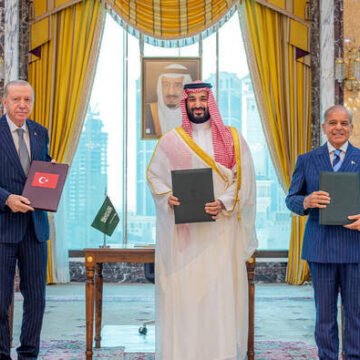
When Pakistan, Saudi Arabia and Türkiye signed the Makkah Joint Defence Agreement, much of the commentary reached instinctively for the NATO comparison, an Article 5 for the Muslim world, an attack on one treated as an attack on all.
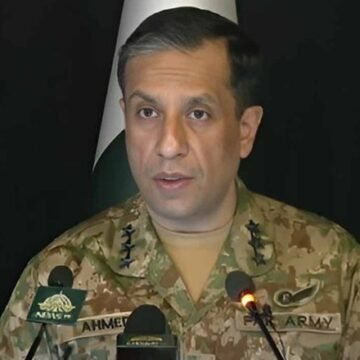
When DG ISPR Lieutenant General Ahmed Sharif Chaudhry told Al Arabiya that Balochistan is facing terrorism rather than an insurgency, the remark was easy to file away as rhetorical housekeeping