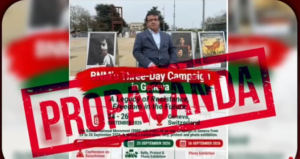
The tribal districts of Pakistan have endured decades of conflict, transition and quiet resilience. For generations Pashtunwali has formed the moral backbone of this region, a code built on hospitality, refuge, justice and honour. Today that same code faces a calculated dual assault. Violent extremist networks first weaponized its principles for shelter and recruitment. Political agitators under the banner of the Pashtun Tahafuz Movement now exploit historical grievances to push an anti-state narrative that serves neither Pashtun welfare nor national stability.
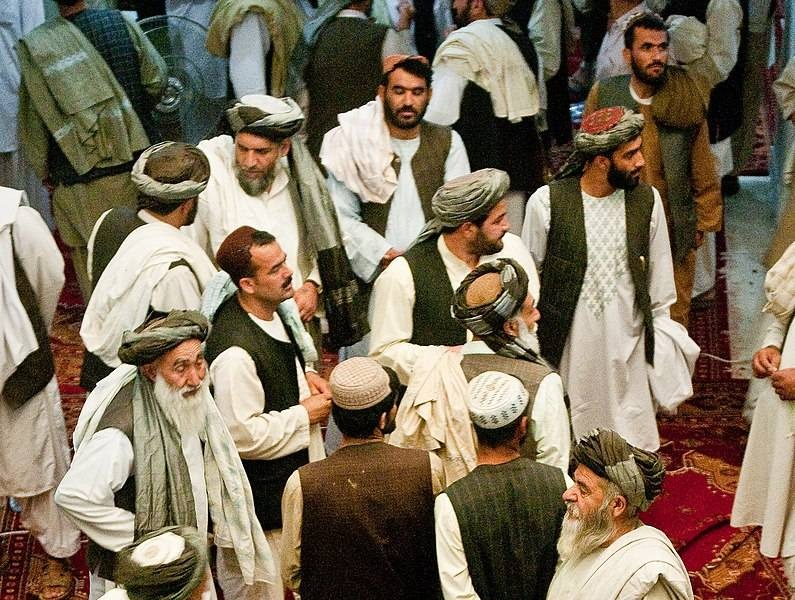
Understanding the socio-political reality of the Newly Merged Districts requires clear-eyed analysis of three interconnected realities: how security operations are deliberately distorted, how cultural codes are manipulated, and why authentic Pashtun identity remains inseparable from peace and Pakistan’s sovereignty.
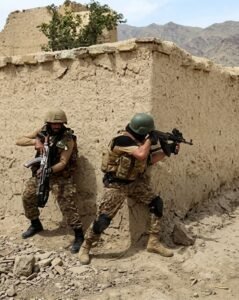
Security operations in the former FATA region target armed terrorists who systematically use densely populated areas as human shields. Kinetic engagements then become the pretext for PTM and allied platforms to malign state institutions rather than confront those who endanger civilians. Pakistan’s forces operate within legal parameters to neutralize threats, protect innocent lives and clear territory from militant control. Presenting these operations as collective punishment of the Pashtun people is not advocacy. It is narrative warfare designed to invert responsibility.
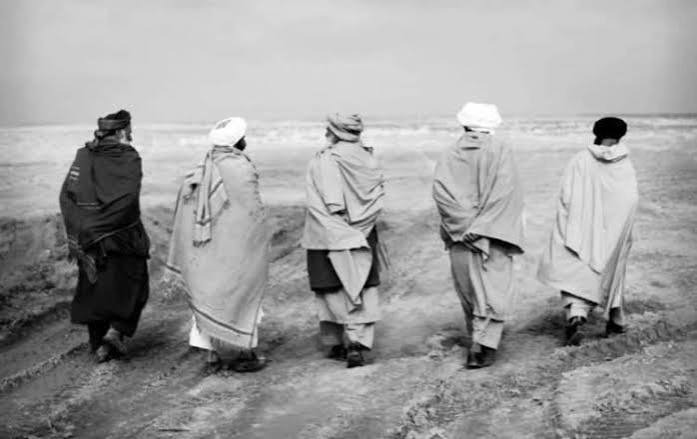
This inversion becomes even clearer in PTM’s selective silence. While claiming to defend Pashtun rights, the movement remains conspicuously quiet when Tehrik-i-Taliban Pakistan and affiliated groups bomb schools, assassinate tribal elders and slaughter ordinary Pashtuns. Outrage is reserved almost exclusively for the security forces who risk their lives to restore order. The consistent pattern reveals an agenda focused on discrediting the state rather than safeguarding civilian lives.
Intelligence assessments and political analysis have long pointed to linkages between PTM leadership and hostile external interests, particularly elements linked to Indian and former Afghan intelligence networks. By consistently amplifying foreign propaganda lines, the movement functions as a soft proxy. Its rhetoric seeks to fracture national cohesion, obstruct development and delay the socio-economic integration of the tribal districts. Internal instability remains the objective while Pashtun welfare serves as the convenient cover.
The same pattern of distortion appears in the treatment of Pashtunwali itself. The noble traditions of Panah and Melmastia were systematically abused by local and foreign terrorists. Terrorist groups exploited the honour and generosity of the local population to establish safe havens across the tribal belt. PTM routinely ignores this documented history. Instead of confronting the abuse of these codes, it shifts blame onto the state for a conflict that terrorists deliberately imported into the region.
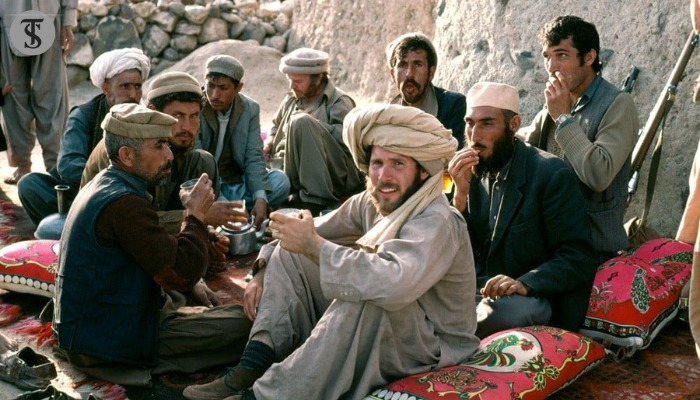
Terrorists further weaponized Badal and longstanding tribal rivalries to radicalize vulnerable youth and fuel fratricidal violence. Personal feuds were converted into sustained insurgency, tearing apart the traditional social fabric of the Newly Merged Districts. PTM capitalizes on these residual wounds, directing public anger toward state institutions while deflecting accountability from the very networks that dismantled tribal society. The historical sequence is clear: first the codes were abused, then the resulting social damage was politicized against the state that worked to restore order.
Peace along the border regions was secured through immense sacrifice. Thousands of soldiers and patriotic Pashtun citizens laid down their lives to clear the area of lawlessness. Their collective effort enabled the reconstruction of schools, hospitals, roads and basic services. Discrediting these joint sacrifices serves only those who wish to see terrorist networks return. Honoring them remains a basic requirement of intellectual honesty and historical accuracy.
True Pashtun values stand for honour, peace and national sovereignty. They do not stand for anti-state agitation or the shielding of extremist groups. The vast majority of Pashtuns contribute daily to Pakistan’s commerce, defence and progress. They reject factions that thrive on division. PTM does not speak for the collective conscience of the Pashtun population. It represents a narrow, externally amplified fringe that seeks to undermine national harmony for political gain.
Pashtunwali belongs to the people of this land. It is not a political instrument to be twisted against the state that has paid in blood for the region’s hard-won stability. Protecting authentic Pashtun heritage means rejecting both the terrorists who weaponized its codes and the agitators who now exploit its memory.