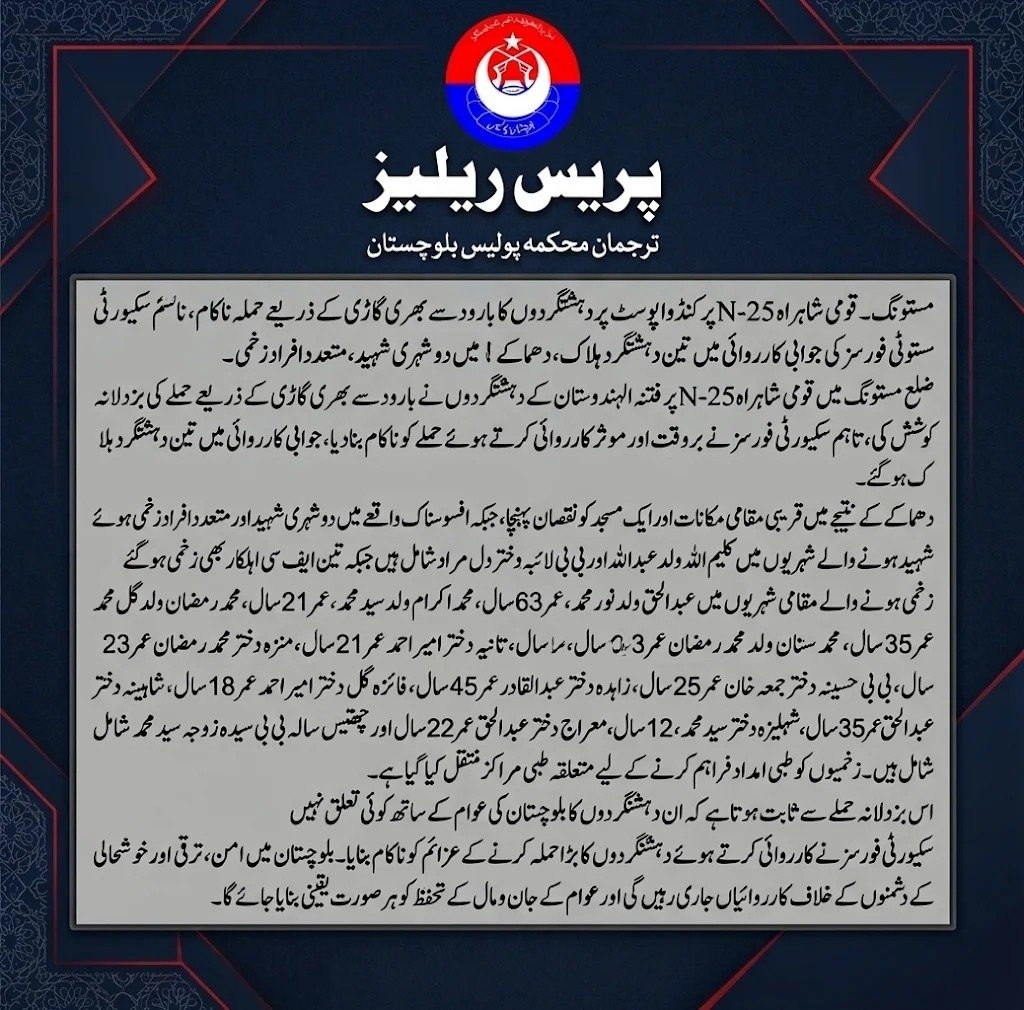
The temporary movement of residents from Sardasht and surrounding areas of Gwadar has quickly become the subject of competing narratives. Reports of families leaving villages in Pasni tehsil have been accompanied by claims that the population is being deliberately removed from its ancestral land. The Baloch Yakjehti Committee (BYC) has presented the development as an attempt to dispossess local communities, while other platforms have amplified similar allegations. The security reality requires a closer look.
Where terrorist activity threatens populated areas, the presence of civilians during security operations creates serious risks. Temporary relocation from high-risk zones provides ordinary families with protection from possible crossfire and reduces the ability of terrorist groups to exploit civilian presence as human shields. It also gives security forces greater operational space to target terrorist networks without placing entire communities directly in harm’s way.
Civilian protection is the central purpose of temporary relocation when security operations enter high-risk areas.
The underlying security threat cannot be ignored. Terrorist groups operating around populated settlements use civilian areas for concealment, movement, logistics and attacks against security personnel and infrastructure. Their presence also disrupts the daily lives of the communities they claim to represent. Fishing, agriculture, transportation, local commerce and development activity all become vulnerable when violence becomes a permanent feature of civilian life.
Removing that threat is therefore essential to restoring normality.
The argument that temporary movement automatically amounts to permanent displacement turns a security measure into a political narrative. The two are fundamentally different. A temporary evacuation creates physical distance between civilians and an active security threat. Its purpose is to reduce casualties while the threat is addressed. Once the security situation stabilises, residents can return to their homes, land and livelihoods.
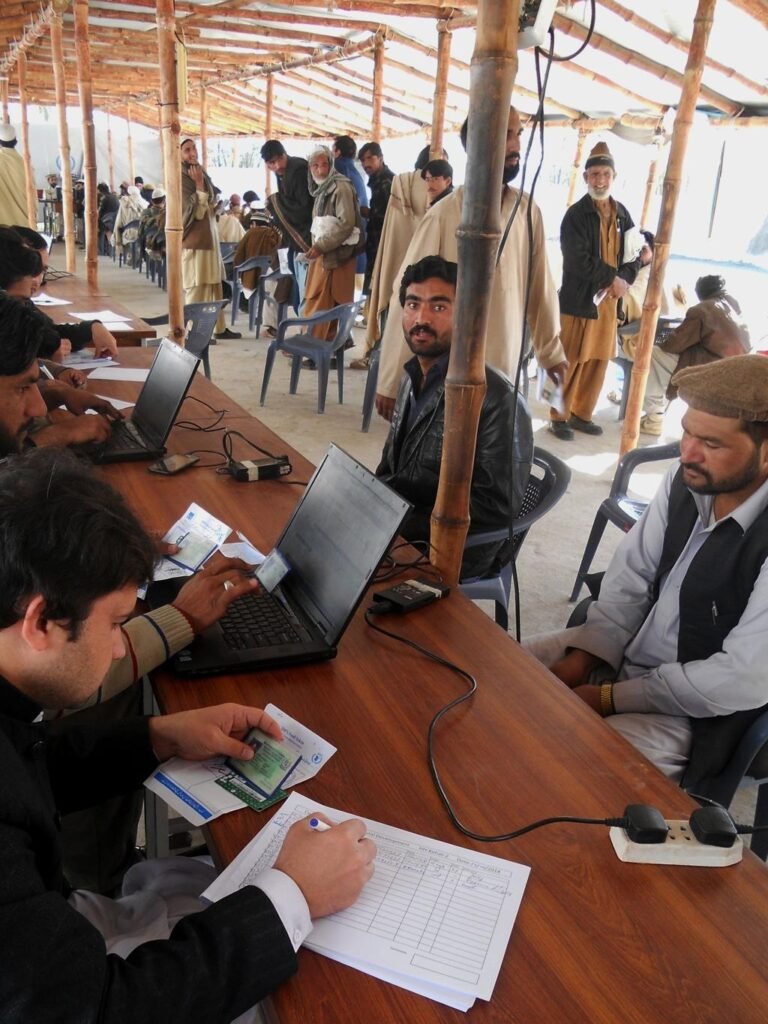
The management of affected families is equally important. Registration, controlled movement, designated safe areas and other administrative measures help authorities maintain order while security operations continue. They also provide a mechanism for identifying families who have temporarily moved and ensuring that assistance reaches those affected.
Reports have also highlighted the continuation of water-related initiatives in the wider area. Gwadar has long faced serious water challenges, and public investment has included projects connecting the Shadi Kaur and Swad dam systems to Gwadar’s water supply network. The official CPEC project record describes these works as part of efforts to address water scarcity and expand access to drinking water.
Essential services continuing during a security operation carry a simple message: the objective is to secure communities, not abandon them.
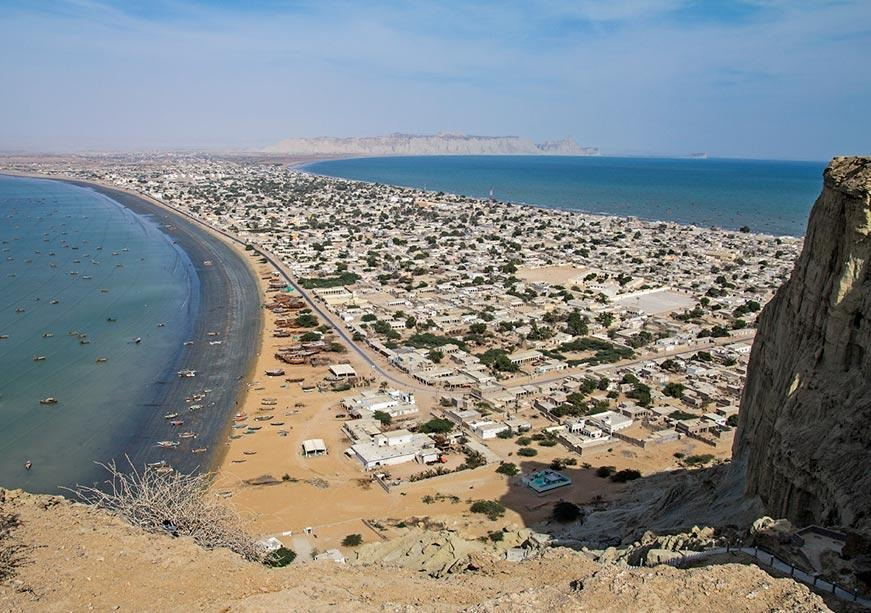
The wider economic stakes are equally significant. Gwadar and the Makran coastal belt depend heavily on stability for fishing, agriculture, trade, infrastructure and investment. Development projects are ultimately meaningful only when local communities can safely access employment, markets, education, public services and economic opportunities.
Terrorist violence directly undermines that environment. Attacks on infrastructure, security personnel and development-related activity do more than create immediate casualties. They restrict movement, discourage investment and disrupt the livelihoods of the very communities whose grievances terrorist organisations claim to champion.
This is where propaganda narratives become particularly damaging. By portraying every security measure as evidence of a permanent policy of dispossession, platforms such as BYC shift attention away from the security threat itself. The result is a narrative in which the consequences of terrorism disappear while the measures taken to protect civilians become the entire story.
That framing leaves ordinary residents caught between two dangers: the terrorist threat on the ground and the political exploitation of their situation in public discourse.
Security and development are inseparable. Sustainable development cannot take root where terrorist networks retain the freedom to operate among civilian populations.
The objective of the Sardasht security measures remain clear: protect civilians, remove the terrorist threat, restore stability and create the conditions for residents to return to normal life.
Lasting peace comes when terrorist groups lose the ability to operate among civilians, ordinary families can return home, and development can move forward without the shadow of violence.