The growing involvement of women and children in terrorist activities in Balochistan exposes a disturbing expansion of recruitment strategies employed by the proscribed Balochistan Liberation Army (BLA) and Balochistan Liberation Front (BLF). From female suicide bombers and dedicated women wings to the online grooming of underage girls, these organizations are systematically turning social relationships, gender identities, and human vulnerabilities into instruments of violence. Behind the instrumentalization of women lies a calculated strategy of continuous recruitment, coercion, and exploitation.
Key Takeaways
- Escalation of Female Recruitment: Following the April 2022 Karachi University bombing by Shari Baloch, proscribed outfits escalated female involvement through attackers like Sumaiya Qalandrani, Mahal Baloch, and Mahikan Baloch.
- Institutionalized Female Combat Wings: The BLA launched a women wing under Shaynaz Baloch in May 2025, followed by the BLF’s Karima Armed Assault Division (KAAD) in September 2026.
- Exploitation of Security Gaps: Terrorist networks exploit cultural sensitivities and limited female screening personnel at checkpoints to bypass detection.
- Online Grooming of Underage Girls: Authorities intercepted school-age girls—including a December 2025 case en route to Karachi—groomed via fake social media accounts by BLA handlers.
- Coercion and Blackmail: Survivors such as Adeela Baloch, Safia Pir Muhammad, and Khadija Abdul Khaliq exposed how family ties, psychological pressure, and blackmail are used to trap women.
From Suicide Bombers to Dedicated Female Combat Structures
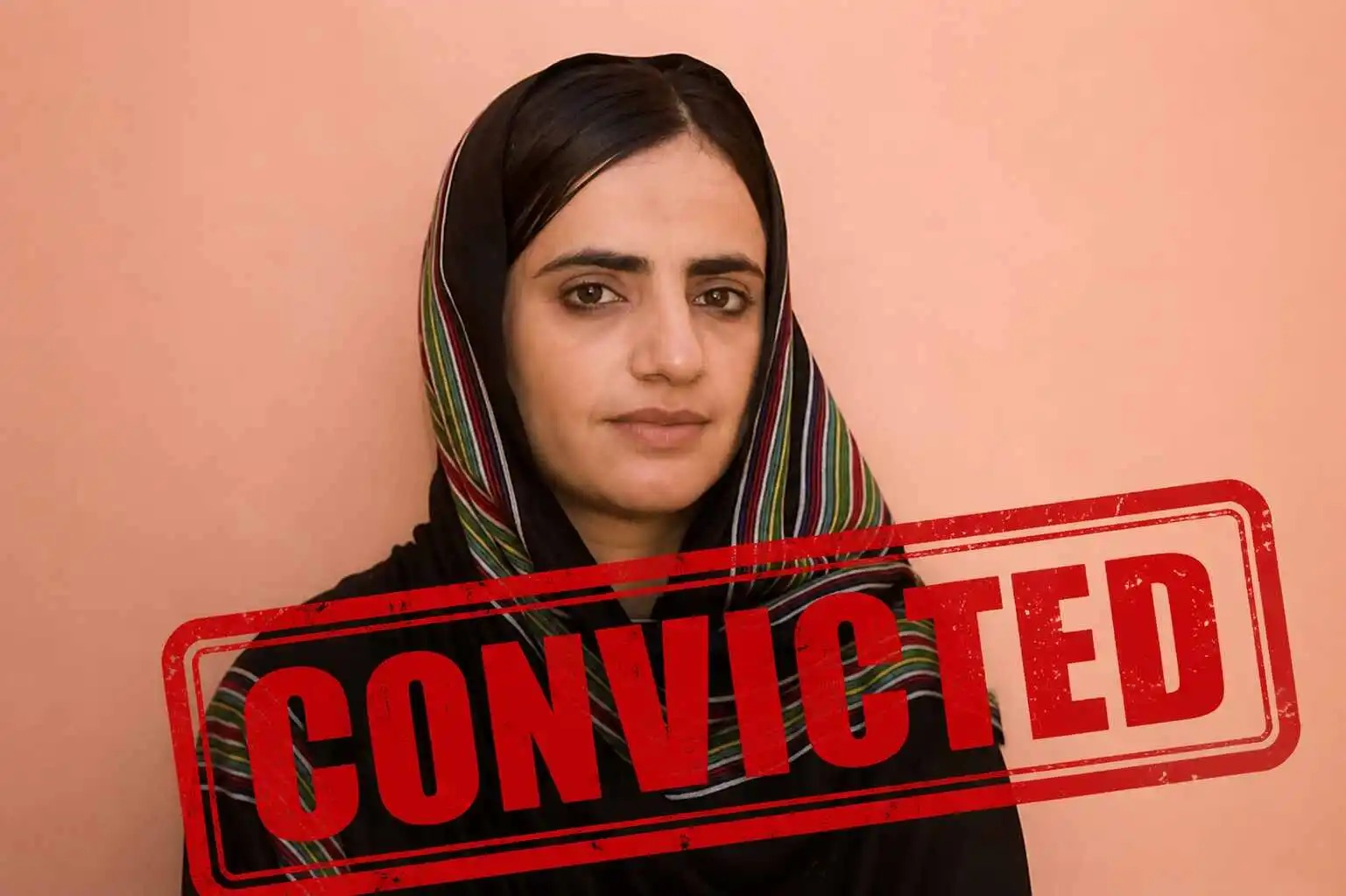
The April 26, 2022, Karachi University bombing marked a deliberate turning point. Shari Baloch, a 30-year-old teacher and postgraduate student, carried out a suicide attack outside the Confucius Institute, killing three Chinese teachers and a Pakistani driver. The BLA celebrated her as its first female suicide bomber, leveraging her educational and professional background as propaganda material to portray female participation in terrorism as a symbol of political awakening. Subsequent attacks involving Sumaiya Qalandrani, Mahal Baloch, and Mahikan Baloch demonstrated a sustained reliance on women in suicide operations.
The strategy has since evolved beyond individual attackers into formalized military structures. In May 2025, the BLA announced a dedicated women’s wing under the command of Shaynaz Baloch, institutionalizing female participation within its organizational hierarchy. Later, in September 2026, the BLF announced the formation of the Karima Armed Assault Division (KAAD), named after Karima Baloch, claiming its first armed operation near Jusak, Turbat, on September 22. Subsequent footage released by the group showing women undergoing weapons and combat training underscored an organized effort to shift female operatives from support and suicide roles into active combat formations.
Tactical Advantages and Propaganda Narratives
Women provide terrorist networks with distinct operational advantages. Gender-based security assumptions, cultural sensitivities, and the limited availability of female screening personnel often result in less stringent security checks for women at checkpoints. Proscribed organizations exploit these operational gaps by deploying female operatives to move weapons, conduct reconnaissance, and execute attacks with reduced suspicion.
Academic research, including Tanya Narozhna and W. Andy Knight’s Female Suicide Bombings: A Critical Gender Approach, offers a clear analytical framework for understanding this tactic. Female participation carries symbolic and political utility beyond the immediate tactical strike. Terrorist groups frame female attackers as icons of emancipation and resistance to capture international media attention and manufacture false legitimacy. In reality, this propaganda conceals the coercive recruitment networks, ideological conditioning, and severe psychological pressures driving their involvement.
Online Grooming of Underage Girls and Coercive Networks
The exploitation of children adds a deeply alarming dimension to this threat. Pakistani law enforcement and intelligence authorities have documented multiple cases involving underage girls approached on social media and groomed for terrorist missions. In December 2025, security agencies intercepted a school-age girl traveling from Balochistan to Karachi after months of online grooming by BLA handlers. Other intercepted cases reveal minors being prepared for deployment in suicide bombings. Recruiters utilize fake accounts, fabricated online friendships, ideological manipulation, and peer or family connections to isolate and radicalize vulnerable youth.
Testimonies from survivors—including Adeela Baloch, Safia Pir Muhammad, and Khadija Abdul Khaliq—further expose the coercive machinery behind these networks. Adeela, a former nurse and World Health Organization (WHO) worker, publicly revealed how militants misled and blackmailed her. Similarly, Safia and Khadija detailed how relatives and spouses drew them into militant circles. Security reports have also documented the use of psychological coercion and blackmail, including the misuse of intimate material, to trap and control women.
A Stark Contradiction and the Path Forward
The ideological contradiction is unmistakable. Organizations claiming to champion Baloch rights and women’s empowerment are recruiting women as human bombs, forming armed female squads, and grooming underage girls into violent extremism. They glorify female operatives when it serves operational and propaganda goals while completely disregarding the human devastation left behind.
Balochistan’s women and children deserve education, dignity, and economic opportunity—not indoctrination into violent outfits. Countering this menace requires sustained counterterrorism operations, expanded gender-sensitive security screening, digital literacy programs to protect youth from online predators, community engagement, and structured rehabilitation for vulnerable individuals. True women’s empowerment cannot be measured by how many women a terrorist group sends into combat; it is measured by their freedom to live, learn, and shape their own future free from violence.
Frequently Asked Questions (FAQs)
- How are the BLA and BLF exploiting women in Balochistan? Proscribed outfits use women as suicide bombers, form dedicated female combat wings like the BLA’s women’s wing (2025) and BLF’s KAAD (2026), and exploit checkpoint security gaps for operational movement.
- How are underage girls recruited by terrorist networks? Militant handlers use fake social media accounts, emotional manipulation, and ideological grooming to target school-age girls, as seen in the December 2025 case intercepted en route to Karachi.
- What coercive tactics are used against women by these groups? Survivor testimonies from Adeela Baloch, Safia Pir Muhammad, and Khadija Abdul Khaliq highlight family pressure, deception, psychological coercion, and blackmail.
Sources & References
- Counterterrorism & Law Enforcement Case Records (Balochistan & Sindh)
- Narozhna, Tanya, and W. Andy Knight. Female Suicide Bombings: A Critical Gender Approach.
- UNDERSTANDING WOMEN’S ROLES IN TERRORISM https://www.jstor.org/stable/resrep21428.4?seq=13
- Analytical Coverage on Khabarkada