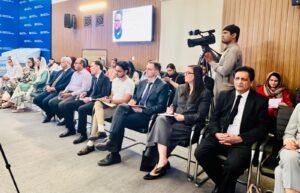
On 29 August, Balochistan Chief Minister Mir Sarfraz Bugti warned owners of vineyards and other private properties in Mastung that if their land was being used by terrorists, they would be treated as facilitators. He stressed that the government did not want measures that harmed ordinary citizens, particularly because terrorists often exploit civilians as human shields. At the same time, he made clear that the repeated use of private property by terrorists would not be ignored.

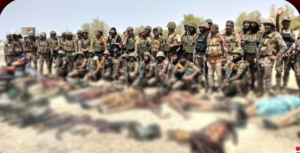
The warning reflects a serious security concern in Mastung, where terrorists are using private properties to facilitate attacks. The recovery of weapons, explosives and remote-detonation equipment from terrorist hideouts highlights the logistical infrastructure behind such operations. The threat therefore extends beyond individual terrorists to the spaces and networks that enable them to operate.
Terrorists do not operate through weapons alone. They need shelter, concealment, information, transportation, supplies and suitable terrain. These resources allow them to move, prepare and carry out attacks. Disrupting this support structure restricts terrorist mobility and weakens their ability to strike. Counter-terrorism therefore requires action against both the terrorists carrying out attacks and the infrastructure that enables them.
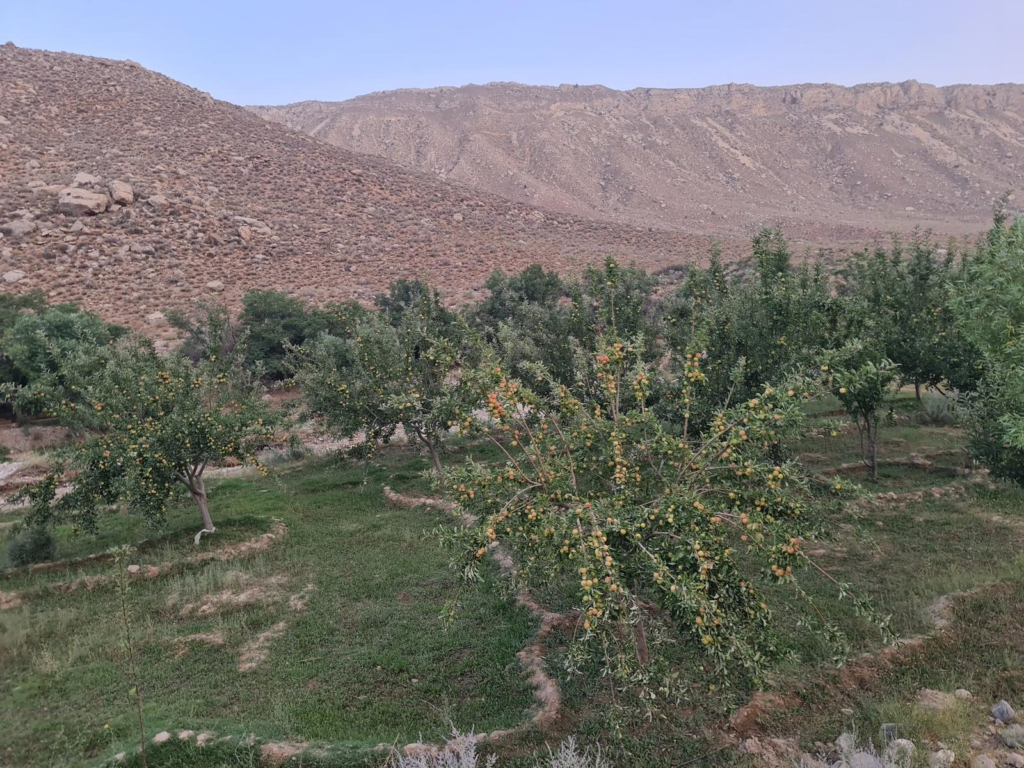
The consequences also extend to Mastung’s civilian economy. Terrorism makes productive properties unsafe, disrupts movement, frightens workers and discourages investment. An orchard provides livelihoods and economic value; it must not become a hideout for terrorists. Roads connect communities and carry goods; they must not become routes for terrorist attacks. Protecting civilian economic activity therefore requires preventing terrorists from exploiting civilian spaces.
The principle of denying terrorists access to property and resources is also recognised internationally. US federal law criminalizes knowingly providing material support or resources to designated foreign terrorist organisations. The definition includes property, lodging, safehouses, facilities and transportation. UK law also provides mechanisms for the forfeiture of property used or intended for terrorist purposes. Pakistan’s Anti-Terrorism Act, 1997 follows the same broader principle by criminalising the provision of money or property for terrorism and providing mechanisms for the freezing, seizure and forfeiture of terrorist property.
These legal frameworks reflect a straightforward principle: terrorists require resources and spaces to operate, and deliberate support for terrorism carries legal consequences. The same principle applies in Mastung. Failure to act against proven facilitators leaves terrorist networks with the infrastructure they need to survive. Indiscriminate action, however, risks punishing innocent people and weakening public confidence. The answer lies in evidence-based enforcement against those who knowingly assist terrorism.
Bugti’s warning is therefore about restoring the lawful use of civilian spaces in Mastung. Orchards and private properties serve the civilian economy; they must not become part of the operational infrastructure of terrorism. Communities that reject terrorist exploitation deserve protection, while individuals who knowingly provide terrorists with shelter or operational cover must face the law.
Lasting security requires more than eliminating terrorists after they strike. It requires dismantling the networks, resources and safe spaces that enable them to operate. Mastung’s orchards, properties and communities must remain places of livelihood and security, not sanctuaries for terrorism.