There is a serious contradiction at the heart of the BLA’s latest threat. The organization has warned that the Quetta-Taftan highway, the N-40, is now under its “complete control,” and that trucks, trailers, and convoys, particularly those associated with the Saindak and Reko Diq projects, will be “strictly targeted.” The statement was framed, as all BLA statements are, in the language of Baloch rights and resistance. But ask yourself a simple question: whose livelihood depends on that highway?
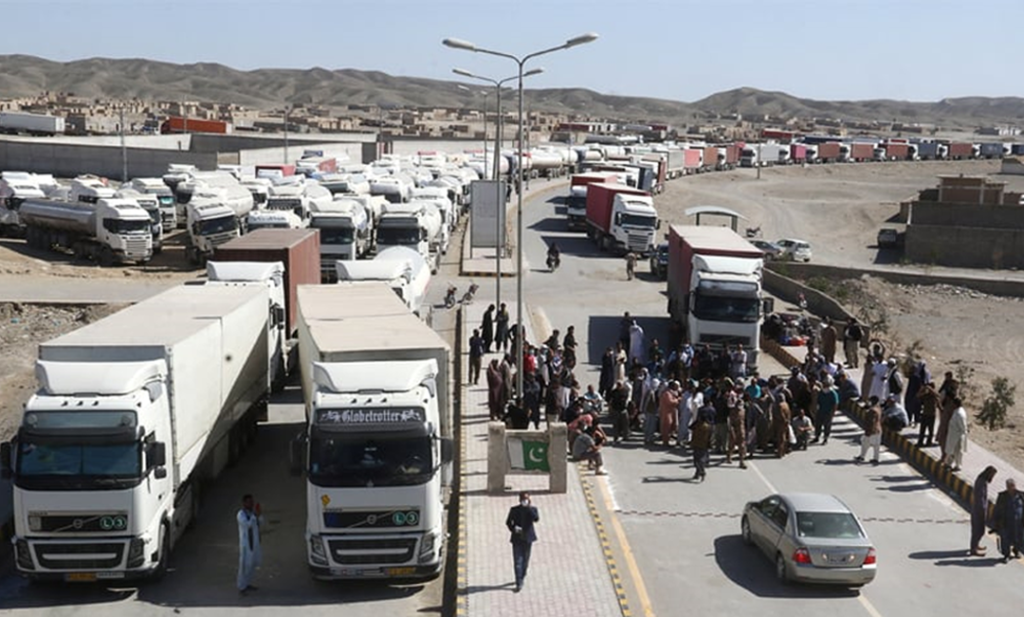
Not federal bureaucrats in Islamabad. Not military installations. The people of Balochistan, who wake up every morning hoping that National Route N-40 will remain open, safe, and passable, depend on its safety and accessibility. Baloch truck drivers, transporters, and traders carry fruits and vegetables to other provinces and return laden with wheat, grains, and pulses.
Local Baloch families own hundreds of hotels, workshops, and gas stations along this highway. The miners in Sindak and Reko Diq are mostly Baloch from the region. The provincial government, which derives its revenue from these mining activities, dedicates it to the well-being of the people of Balochistan.
This is neither an accident nor a strategic error; it is an intentional pattern. Workers have been killed on these roads, teachers have been assassinated in their classrooms, engineers have been targeted at construction sites, and truck drivers now face the threat of losing their livelihoods. What all these targets have in common is that they represent exactly what the Fitna Al Hindustan (FAH) cannot tolerate. A Balochistan that works, builds, trades and integrates with the rest of Pakistan and the world.
The terrorists understand, even if it doesn’t admit it, that prosperous Balochistan poses an existential threat to its narrative. The entire ideological framework of the BLA rests on the argument of dispossession, on the claim that Balochistan are robbed of their resources, denied their rights and excluded from development.
Once this argument loses its factual basis, recruitment dries up, foreign sympathy fades, and the cause loses any semblance of moral legitimacy it built on violence. For this reason, every school, every road, every mine and every port pose a threat to the Balochistan Liberation Army (BLA) that no security operation can create. Development is the ideological antidote to terrorists’ narrative, and the BLA understands this.
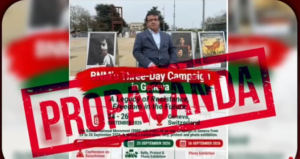
The claim of “total control” over the N-40 highway deserves to be denounced for what it is: propaganda aimed primarily at social media, not at operational reality. The Quetta-Taftan highway is a strategic international artery.
The Balochistan Liberation Army’s actual capabilities on this road are limited to hit-and-run attacks and attempt blockades and limited capability of terrorizing those who use it. The Pakistani state has not ceded control of its national highways to a banned terrorist group, and no amount of threatening press release will change that fact. The state knows how to assert its authority, and it will do so.
But the most important argument here is ethical, not military. If the BLA truly cared about the welfare of the people of Balochistan, it would not be threatening Baloch truck drivers with the destruction of their trucks, targeting Baloch engineers building infrastructure that their communities need, or imposing an economic blockade that, in an already devastated region, amounts to a death sentence by starvation without a single shot being fired.
It is no coincidence that the Quran defines unjust killing in terms of its collective impact on humanity. By the same ethical logic, forcing hundreds of thousands of people into economic ruin by deliberately disrupting their trade and freedom of movement is nothing but terrorism.
The ordinary Baloch is not fooled. They know who destroys their roads and who builds them. They know who closes their markets and who opens them. They know who recruits their children into a terrorism for foreign fundings and who is investing in their children’s education. The BLA’s latest threat has done nothing except confirm, once again, that the organization’s interests and Baloch interests are not the same thing. They never were.