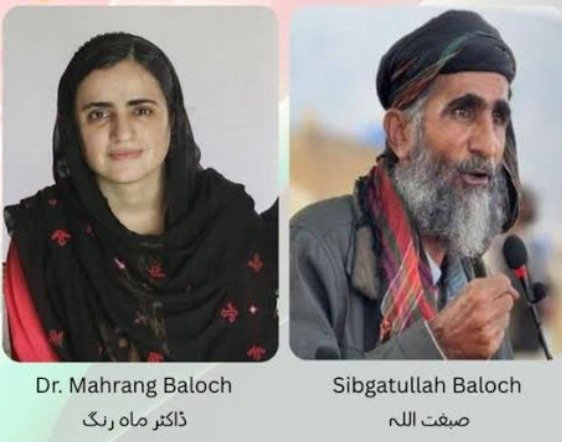
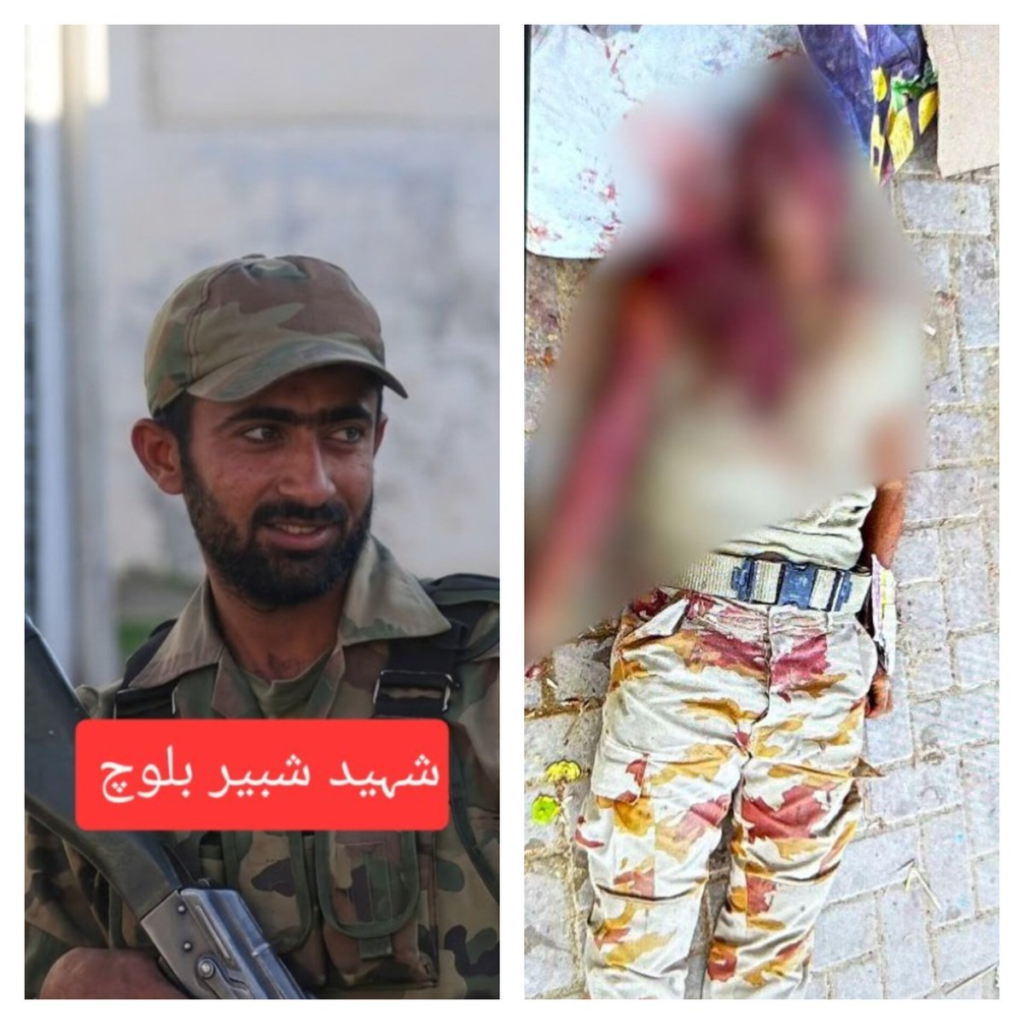
The conviction of Mahrang Baloch by the Anti-Terrorism Court in Quetta has once again exposed the deep divide between Pakistan’s domestic security concerns and the way they are portrayed in international discourse. Sentenced to life imprisonment alongside Sibghatullah in the murder case of FC personnel Sepoy Shabbir Baloch, Mahrang’s conviction has immediately triggered criticism from international media and advocacy circles.
Predictably, much of the global reaction has focused not on the court’s findings or the legal proceedings but on presenting her as a victim of state repression. This selective framing raises an important question: why do certain international platforms consistently overlook the security dimension of the conflict while amplifying only one side of the story?
The Times of Israel was among the first international publications to criticize the verdict, portraying Mahrang Baloch as a human rights activist whose imprisonment represents an attack on civil liberties. The article emphasized that she became a doctor through a state scholarship and argued that her activism was peaceful rather than inciting violence.
Similar narratives have been echoed by sections of the Indian media, which have repeatedly projected Mahrang as a symbol of resistance while questioning Pakistan’s legal actions against her. The speed and uniformity with which these narratives emerged demonstrate how rapidly international opinion is shaped before the details of judicial findings are adequately examined.

The issue extends beyond a single court verdict. Over the years, Mahrang Baloch has increasingly become an internationally recognized figure through extensive coverage in Western media outlets, international human rights forums, and award nomination campaigns. Her visibility has often been accompanied by narratives that portray the conflict in Balochistan exclusively through the lens of enforced disappearances and civil rights while paying comparatively little attention to the persistent threat posed by terrorist organizations operating in the province. This imbalance has contributed to a highly simplified international understanding of an extremely complex security environment.
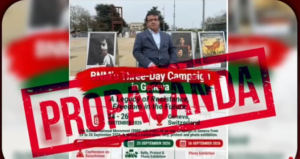
Critics within Pakistan have long argued that organized international information campaigns have played a significant role in shaping these perceptions. Particular attention has been drawn to the Balochistan Project launched under MEMRI, which has been accused by Pakistani commentators of promoting narratives sympathetic to Baloch terrorist causes through coordinated digital outreach.
According to these claims, thousands of social media accounts using Baloch identities were created to amplify content related to Mahrang Baloch and the Baloch Liberation Army (BLA), ensuring that their messaging reached international audiences and policymakers. Whether every aspect of these allegations can be independently verified or not, they reflect growing concerns about how digital information campaigns increasingly influence global perceptions of regional conflicts.
The broader concern is not merely about international media coverage but about the political consequences of selective storytelling. Human rights advocacy undoubtedly plays a vital role in holding governments accountable, and allegations of abuses deserve independent investigation wherever they occur.
However, when advocacy becomes detached from the broader security context, it risks presenting incomplete narratives that inadvertently benefit violent actors. In conflicts involving insurgencies and terrorism, reducing every legal proceeding to a contest between authoritarian states and peaceful activists may obscure the complex realities that courts and law enforcement agencies confront on the ground.
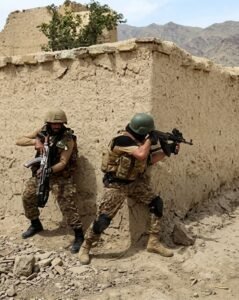
Pakistan has consistently maintained that terrorist organizations such as the BLA employ not only armed violence but also sophisticated information operations designed to shape domestic and international opinion. From attacks on security personnel to targeted killings of Punjabi and Sindhi laborers, the BLA has repeatedly sought to create ethnic polarization within Balochistan. Pakistani analysts argue that narratives emphasizing ethnic victimhood without adequately condemning such violence contribute to an environment in which extremist groups find greater ideological space and international sympathy.
According to the court’s judgment, Mahrang Baloch and Sibghatullah were not merely passive observers but active participants in an unlawful assembly that shared a common intention in the killing of FC soldier Sepoy Shabbir Baloch. The life sentences handed down by the Anti-Terrorism Court were based on the prosecution’s evidence and the court’s interpretation of the law.
Regardless of international criticism, the verdict reflects the conclusion reached by Pakistan’s judicial process rather than an arbitrary executive decision. Those who disagree with the judgment have every right to question the evidence and pursue legal appeals, but dismissing the proceedings outright without engaging with the court’s reasoning risks undermining the principle of due process itself.
The international response to this case also highlights a persistent double standard. Democracies across the world routinely prosecute individuals accused of aiding or facilitating terrorism, even when those individuals have significant public profiles or political support. When similar prosecutions occur in Pakistan, they are often framed solely as assaults on dissent rather than examined through the same legal and security standards applied elsewhere. Such inconsistencies inevitably fuel perceptions that geopolitical considerations often shape international human rights advocacy.
The debate surrounding Mahrang Baloch is about far more than one individual. It reflects the broader struggle over competing narratives in an era where information has become as strategically significant as military capability. International media, advocacy organizations, governments, and digital networks all play influential roles in constructing perceptions that affect diplomacy, policymaking, and public opinion.
If global audiences genuinely seek to understand Balochistan, they must move beyond simplistic binaries of activists versus the state and instead examine the province’s complex intersection of terrorism, separatism, governance challenges, human rights concerns, and foreign information campaigns. Only by acknowledging the full spectrum of these realities can informed and balanced discussions replace selective narratives that serve political objectives more than they advance lasting peace.