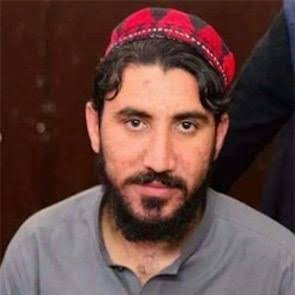
In the current security environment, threats to national sovereignty are no longer confined to physical borders. They increasingly take the form of hybrid warfare, in which disinformation, proxy actors, and externally funded narratives are deployed to weaken states from within. Recent revelations, particularly the leaked audio recording involving Manzoor Pashteen, have drawn renewed attention to this challenge and demand serious examination.
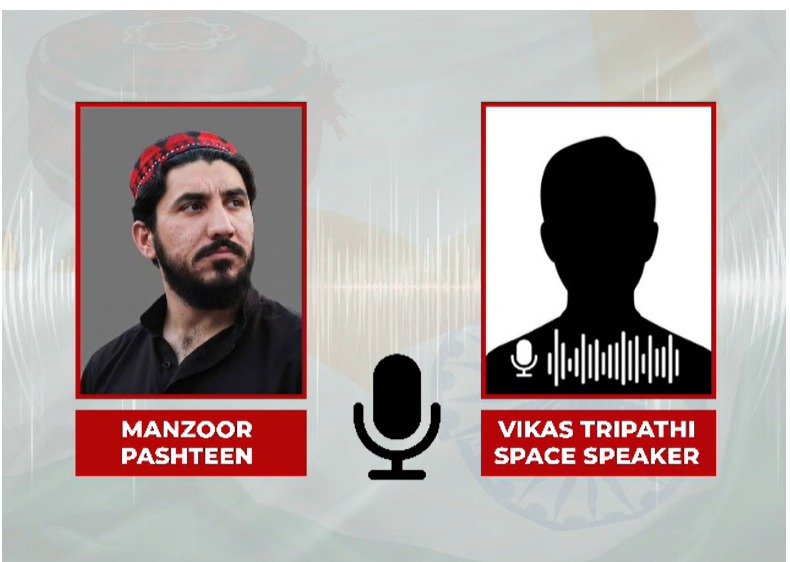
The leaked audio is as an indicator of Indian involvement in supporting hostile actors who challenge Pakistan’s security. In the recording, an Indian operative is allegedly heard directing Manzoor Pashteen to “come in the space of Baloch people” and “raise voice for the arrest of Mahrang Baloch.” Such guidance raises fundamental questions about the independence of his activism. This goes beyond ordinary dissent or legitimate political expression. It suggests a scenario in which a Pakistani citizen appears to be receiving operational direction from a hostile foreign actor.
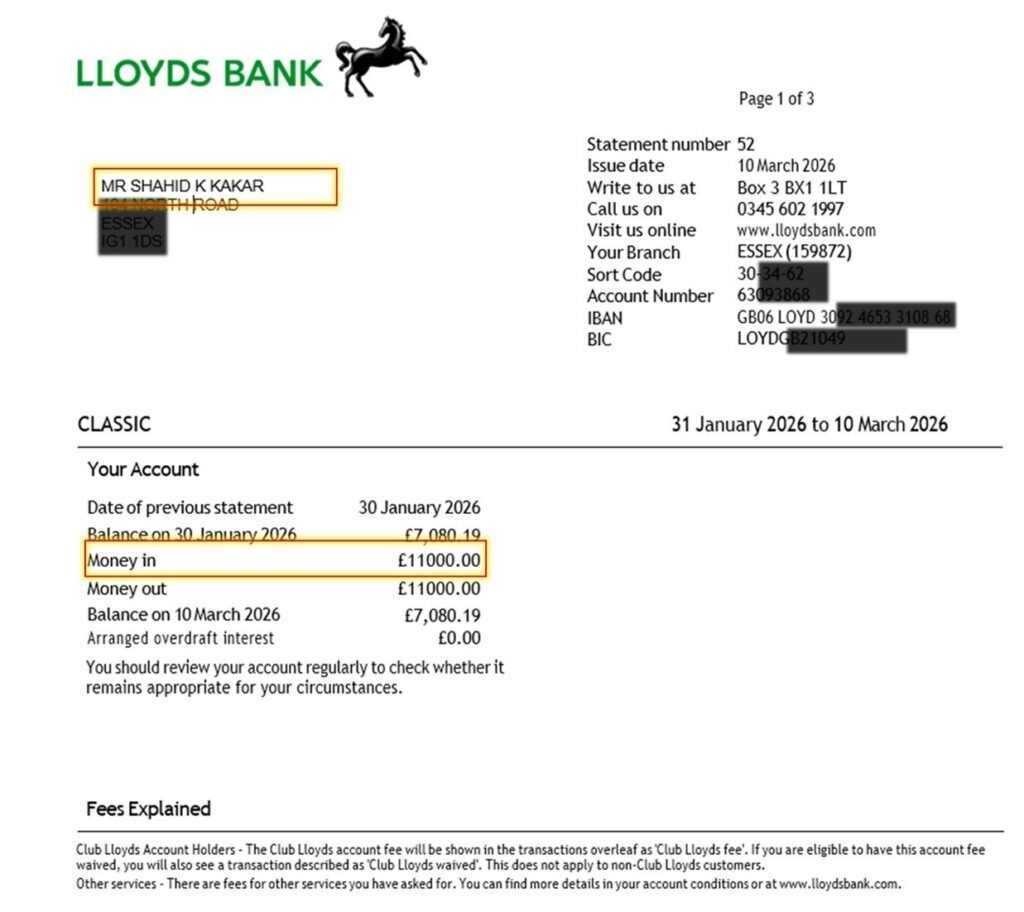
In addition to this, the financial trail that accompanies this narrative further deepens the concern. The reported transfer of £11,000 from an Indian account to PTM-linked individuals for the organization of protests abroad reinforces the view that certain movements are externally funded and guided. When activism becomes connected to foreign financing, doubts inevitably arise about its independence. Genuine movements rooted in real grievances draw their strength from their own people; they do not require external patrons who pursue separate strategic agendas.
Equally important is the perceived alignment between certain political narratives and violent actors. Organizations such as the Tehreek-e-Taliban Pakistan (TTP) have inflicted significant harm on Pashtun communities, including attacks on civilians, elders, and local institutions. Yet consistent and unambiguous condemnation of these acts has often been limited among those who claim to speak for Pashtun rights. This selective silence lends weight to the argument that certain platforms provide indirect cover to forces that thrive on instability.
Taken together, the picture that emerges is one of convergence: external funding, safe havens, terrorist activity, and carefully constructed narratives. The allegations point to a framework in which outside actors exploit internal divisions in order to generate instability. Whether through propaganda, financial support, or coordinated messaging, the stated objective appears to be the weakening of Pakistan from within.
These narratives, however, fail to account for the resilience of the Pakistani people, including the Pashtun community. Pashtuns are not a marginalized peripheral group but they form a central pillar of Pakistan’s national identity. Their contributions are evident across the armed forces, the higher ranks of the civil service, and the highest political offices of the state. Claims of systemic exclusion do not withstand scrutiny against this record of integration and service.
Pakistan’s sacrifices in the long campaign against terrorism further reinforce this reality. More than 94,000 lives have been lost, including thousands of Pashtun civilians and security personnel who stood on the front lines against extremism. These losses represent a shared national effort in pursuit of stability. Any narrative that overlooks this collective sacrifice risks disregarding those who gave their lives for the country.
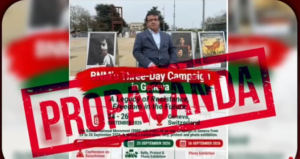
International responses have begun to reflect greater caution. The cancellation of events linked to certain activist platforms suggests that some international institutions are becoming more careful about providing space that risks legitimizing extremist narratives. At the same time, questions persist about the role certain international organizations play in amplifying selective accounts, underscoring the broader complexity of global information politics.
Therefore, the alleged audio recording, the reported financial links, the patterns of messaging, and the evolving international posture has intensified legitimate questions about credibility and intent. As a result, a growing number of observers no longer view figures such as Manzoor Pashteen simply as independent activists, but as participants in a larger, externally influenced framework whose objectives diverge from the genuine interests of the communities they claim to represent.
In conclusion, the integrity of national sovereignty in an era of hybrid warfare depends on the ability to distinguish domestic grievances from externally orchestrated campaigns. Pakistan’s strength has always rested on the unity of its diverse communities and their shared stake in the state’s survival and progress. Safeguarding that unity requires clear recognition of foreign interference, firm rejection of narratives designed to fracture society, and continued investment in inclusive development and justice that address legitimate concerns without opening the door to external manipulation. Only through such clarity and resolve can the country protect both its sovereignty and the legitimate aspirations of all its citizens.