
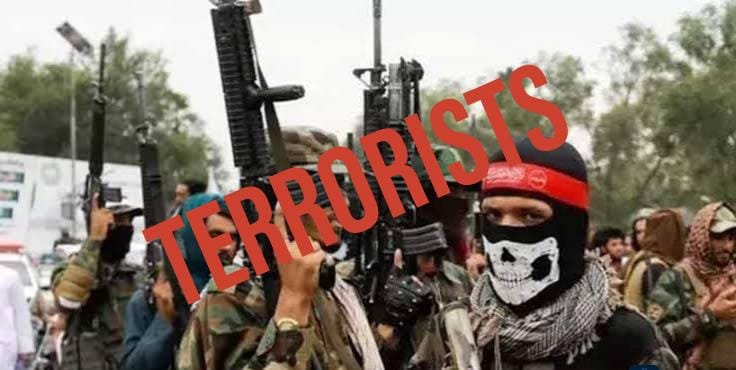
The elimination of multiple terrorists in North Waziristan, including Iranian national Muhammad Fateh, has exposed a reality that can no longer be reduced to the description of the Tehrik-e-Taliban Pakistan as a Pakistan-focused terrorist group.
Fateh’s background is particularly revealing. He had previously been associated with an Al-Qaeda-linked network and participated in its operations in Syria before joining the TTP more than eight months ago. His trajectory shows how personnel, experience and extremist networks can move between different theatres of jihadist violence and become absorbed into the TTP’s campaign against Pakistan.
Fateh’s case is part of a wider pattern. Foreign nationals from Afghanistan, Uzbekistan, Tajikistan, Bangladesh and Iran have been identified among TTP ranks. In September 2025, Bangladeshi national Faisal Hussain Morol, associated with the TTP, was eliminated in Karak. Pakistani security assessments have also identified more than 200 Afghan nationals among TTP terrorists eliminated in recent intelligence-based operations. The presence of foreign nationals within the organisation demonstrates that the TTP’s manpower base extends beyond Pakistan.
The international legal status of the TTP reinforces this reality. The United Nations Security Council has listed TTP under its Al-Qaeda sanctions regime since July 2011 as QDe.132. The United States designated it as a Foreign Terrorist Organization and Specially Designated Global Terrorist in 2010. The United Kingdom proscribed it in 2011, while Canada also lists it as a terrorist entity.
TTP is already subject to international terrorist designations and sanctions frameworks. The issue now is whether those frameworks are being enforced with sufficient seriousness against the networks that sustain it.
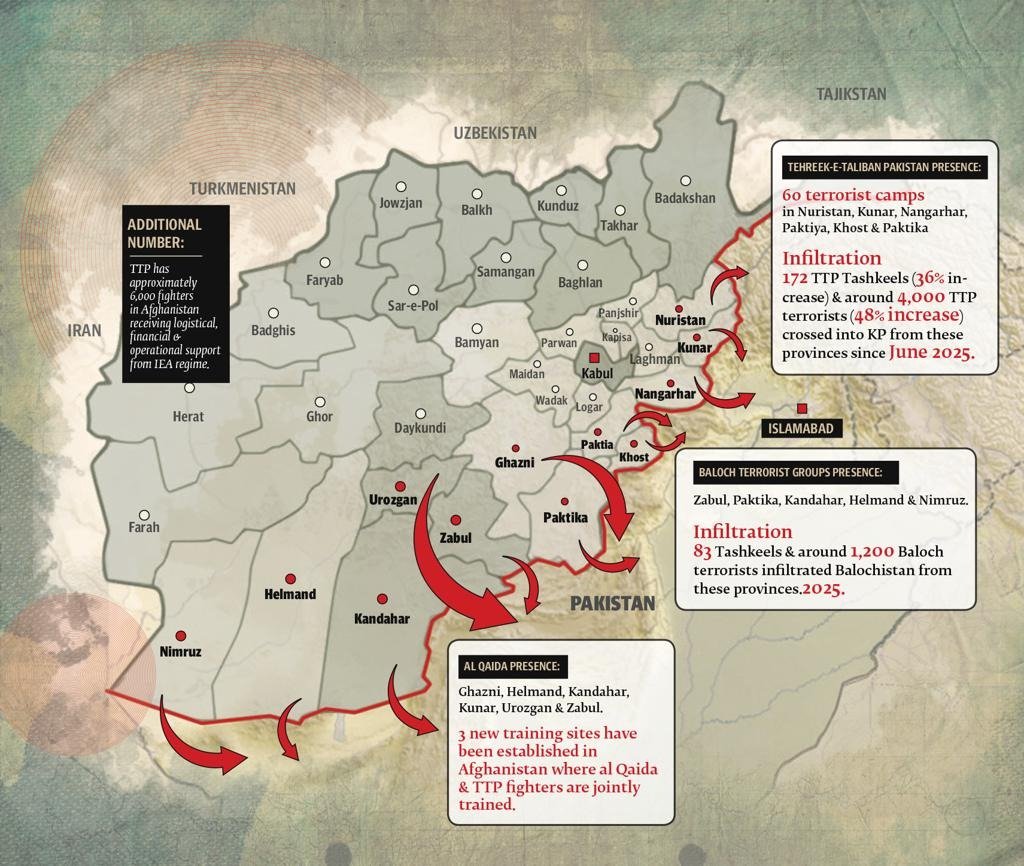
The United Nations’ 38th report of the Analytical Support and Sanctions Monitoring Team further highlights the organisation’s external linkages. It identifies continuing connections between TTP and Al-Qaeda, including ideological, training and operational ties. The report also notes that Afghan authorities relocated around 2,000 TTP fighters and their families away from border areas and deeper into Afghanistan. These developments underscore the importance of the environment beyond Pakistan in sustaining the TTP’s terrorist campaign.
Its propaganda strategy reflects the same outward reach. TTP messaging has appeared in multiple languages, including Urdu, Pashto, English, Arabic and Bangla, indicating an effort to reach audiences and potential recruits beyond its traditional Pakistani constituency.
The distinction is important. Pakistan remains the TTP’s principal target, but its ranks, networks and support structures increasingly extend across borders. Its foreign recruits, links with other jihadist organisations and operating environment in Afghanistan demonstrate that its terrorist infrastructure cannot be understood solely through a domestic lens. Muhammad Fateh’s movement from an Al-Qaeda-linked theatre in Syria into the TTP provides a particularly clear example of this evolution.
The appropriate response is therefore not another debate over whether the TTP qualifies as a terrorist organisation. International legal and counterterrorism frameworks have already established that. The focus should now shift to effective global enforcement of the measures already in place. The UN sanctions regime requires states to freeze the assets of designated entities and prevent designated individuals from entering or transiting their territories, while also enforcing the applicable arms embargo.
This enforcement should extend beyond the TTP’s core organisation to the wider ecosystem that sustains it. Foreign recruitment channels, financiers, facilitators, arms suppliers and individuals providing support to TTP-linked networks should face coordinated scrutiny and sanctions. Greater information-sharing between states, stronger financial monitoring and tighter implementation of travel and asset restrictions would make the existing designation more consequential on the ground.
The TTP is already internationally designated. Its expanding foreign membership and cross-border networks demonstrate why that designation must translate into coordinated global enforcement. A transnational terrorist network cannot be effectively confronted through action inside Pakistan alone. Its foreign recruits, facilitators, financiers and support structures require international attention under the legal mechanisms already available.