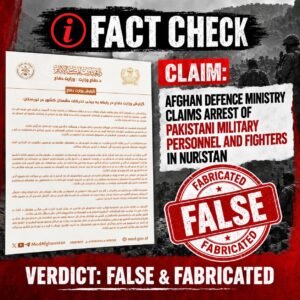
In international diplomacy, externalizing domestic insecurity is a well-worn tactic deployed by fragile regimes facing mounting internal friction. The recent allegations by the de facto Afghan Taliban regime regarding clashes in eastern Afghanistan’s Nuristan and Kunar provinces offer a clear case study of this maneuver. By asserting that its forces killed dozens of fighters who allegedly crossed over from Pakistan, Kabul has attempted to construct a foreign conspiracy to mask its own governance shortfalls and rising internal dissent.
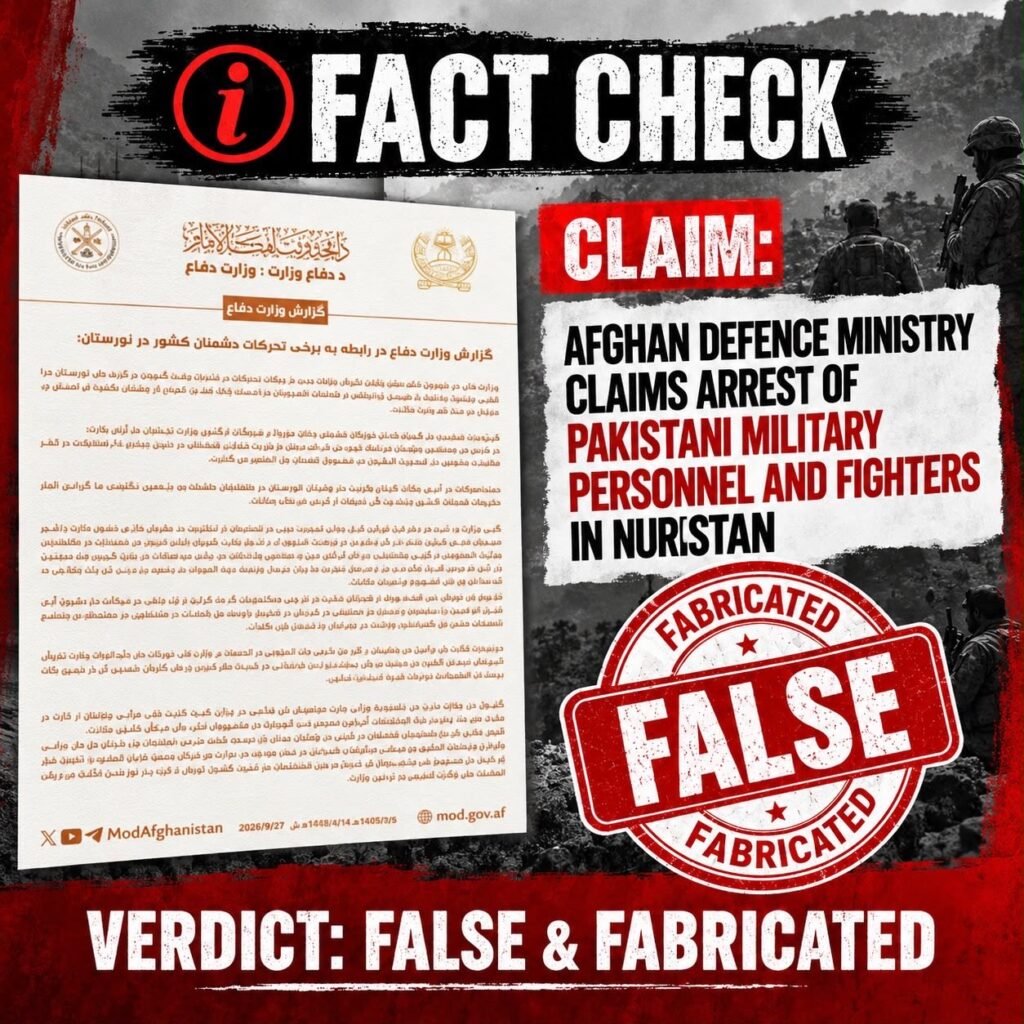
Pakistan’s Ministry of Information and Broadcasting categorically dismantled these claims, characterizing the allegations as “frivolous, baseless, and fabricated.” Beyond the diplomatic denial, the forensic reality, exposes deep flaws in Kabul’s narrative. Despite the Taliban’s assertions, not a single shred of corroborating evidence has been produced: no verified identity records, no intercepted communications, no forensic links, and no independent third-party confirmation.
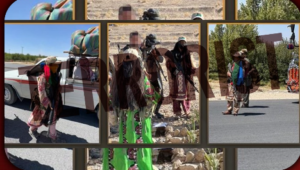
What renders the Taliban’s claims particularly questionable are the glaring visual inconsistencies in the footage circulated by the regime. Analysts noted that the individuals presented in post-clash media were wearing clean civilian attire, a stark contrast to the specialized tactical gear and high-altitude cold-weather equipment required for military operations in the harsh terrain of Nuristan. This discrepancy strongly suggests that local prisoners or civilians may have been staged as armed infiltrators to satisfy a pre-packaged public relations script.
Crucially, Taliban officials themselves conceded that the individuals involved were Afghan nationals, completely undercutting the claim of cross-border state-sponsored infiltration. This episode underscores a persistent pattern wherein the regime in Kabul resorts to fabricated accusations to deflect from internal instability. Meanwhile, Pakistan continues to absorb the human cost of genuine, documented cross-border terrorism emanating from Afghan soil, where terrorist organizations like the BLA(Fitna al-Hindustan), TTP (Fitna al-Khawarij) continue to maintain operational sanctuaries.
Journalistic accountability requires that unverified claims by autocratic regimes be subjected to rigorous factual scrutiny rather than reported at face value. Kabul’s reliance on staged narratives points to a growing desperation to project internal control. Sustainable regional security cannot be built on manufactured headlines; it demands that the Afghan regime confront its internal security failures and honor its commitments to prevent its territory from being exploited by terrorist networks.