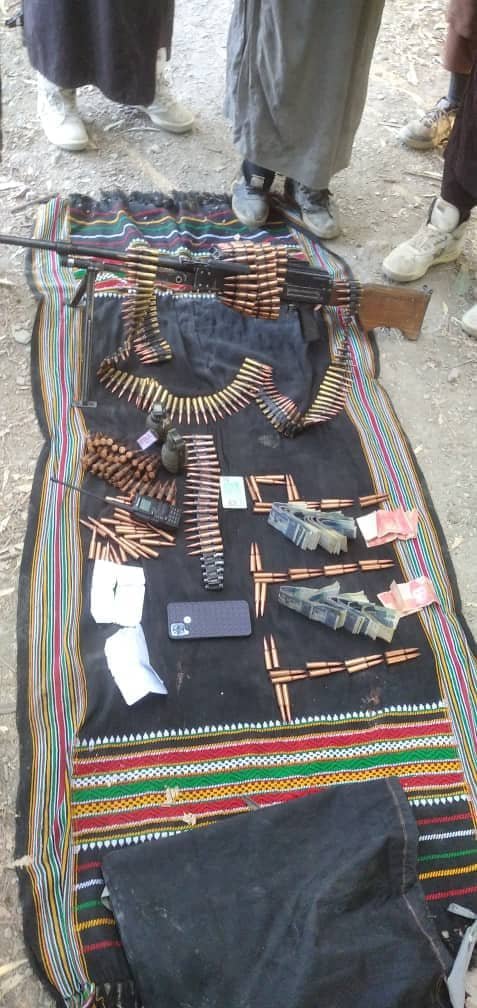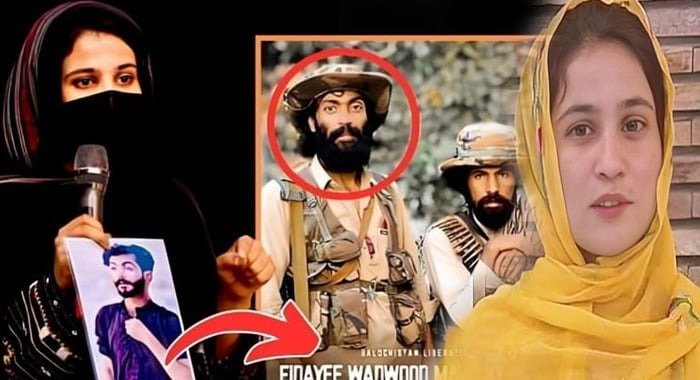
The Baloch Yakjehti Committee (BYC) has announced a so-called one-day social media campaign for October 15, portraying temporary relocation measures in Balochistan as an attempt to erase the Baloch population from its ancestral land. The campaign uses the language of collective punishment, cultural erasure and forced displacement to portray a security measure as a political conspiracy. The central fact remains unchanged: the proposed relocation in Shor Parod aims to clear terrorist hideouts, protect local communities and restore security in an area exploited by terrorist groups.

Around 1,000 nomadic families are being temporarily relocated from the Shor Parod mountains to facilitate the clearance of long-standing terrorist camps reportedly used to plan and launch attacks over several decades. The stated purpose is to dismantle terrorist infrastructure and establish secure conditions for residents to return. The process prioritizes civilian safety, particularly the needs of women, children and elderly residents.
Balochistan’s rugged terrain presents a serious security challenge. Remote mountain areas provide terrorist groups with concealment and operational space to organize attacks and evade law enforcement. These hideouts threaten nearby communities and obstruct efforts to restore normal life. The state’s responsibility is clear: terrorist sanctuaries must be cleared, civilians must be protected, and affected families must return to their homes once security conditions permit.
BYC’s narrative deliberately shifts attention away from this security context. When security operations generate allegations of civilian harm, the committee invokes claims of Baloch genocide. When authorities arrange temporary relocation to facilitate operations and reduce risks to residents, the same process is presented as forced displacement and cultural erasure. This contradictory framing turns different circumstances into a single predetermined accusation, regardless of the facts that require examination.
The same standard applies to Noshki and other sensitive areas where temporary measures address specific security threats. The relevant facts concern the presence of terrorist networks, the risks facing civilians, the purpose of the measures and the arrangements for safe return. Claims of permanent displacement require credible evidence. Political slogans do not establish that conclusion.
Civilian protection remains a central responsibility throughout these operations. Affected families require adequate shelter, food, healthcare and financial assistance, alongside clear communication about the duration of relocation and the conditions for returning home. These obligations demand transparent implementation and accountability. Protecting civilians and eliminating terrorist hideouts are complementary responsibilities of the state.
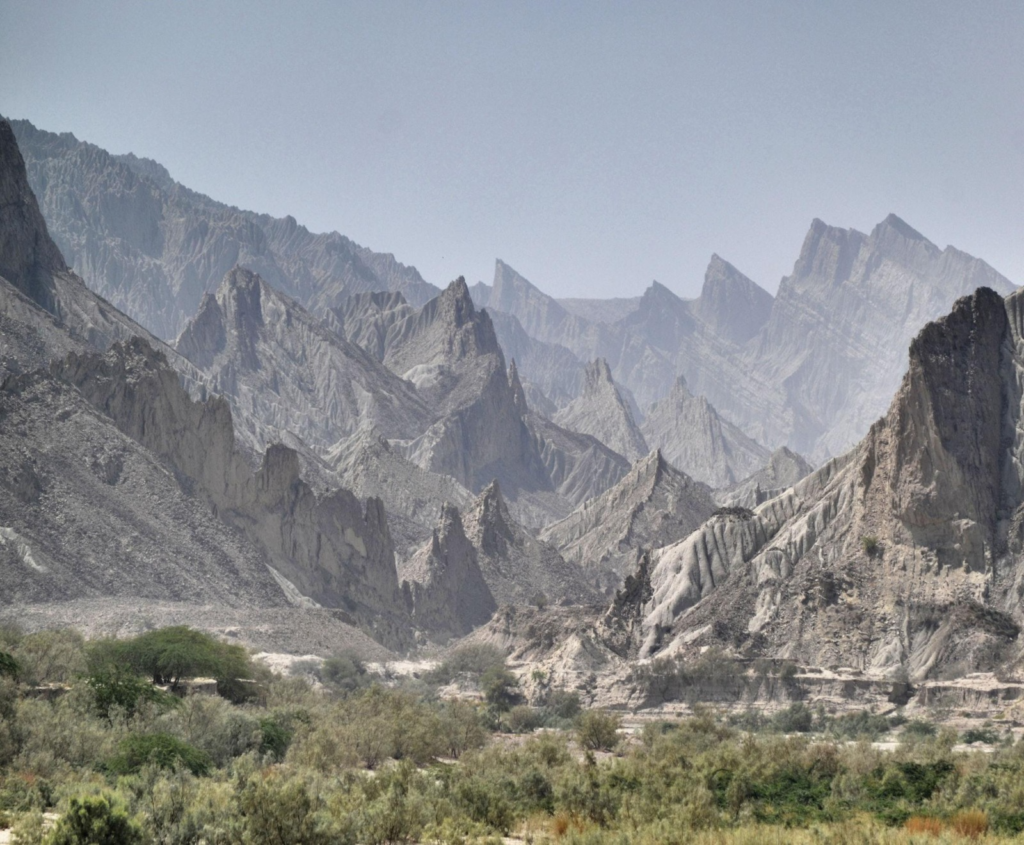
The wider objective is lasting peace and development across Balochistan. Roads, schools, hospitals, water schemes, Gwadar’s development and mineral projects create economic opportunities and improve public services. Terrorism directly threatens these gains by undermining security, disrupting livelihoods and discouraging investment. Development delivers lasting benefits when communities have secure homes, access to services, employment opportunities and a meaningful share in the province’s economic progress.
BYC’s October 15 campaign must therefore be assessed against facts rather than inflammatory claims. Concerns about civilian welfare deserve serious scrutiny, but portraying a stated temporary security measure as proof of a plan to erase an entire population requires evidence. The committee’s narrative obscures the immediate security challenge and diverts attention from the terrorist infrastructure that authorities are seeking to dismantle.
Balochistan’s people deserve security, dignity, development and the right to live peacefully on their own land. Terrorist groups cannot be allowed to exploit the province’s geography, endanger its residents and obstruct its future. The state remains responsible for protecting civilians, confronting terrorism and ensuring that development reaches local communities. Propaganda does not change these realities. Lasting peace requires security, accountability and progress that the people of Balochistan experience in their daily lives.