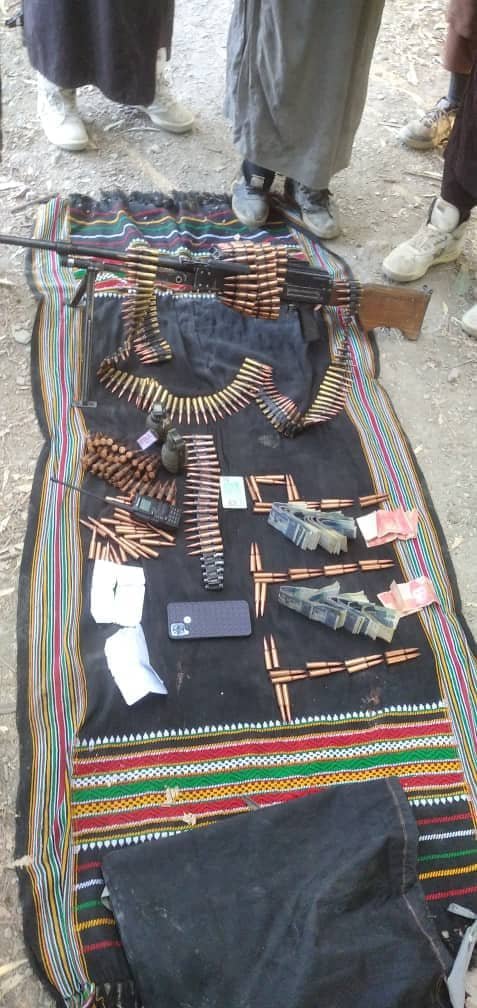
The line separating genuine political advocacy from violent extremism blurs entirely when civilian platforms become the primary supply chain for proscribed terrorist groups. Across Balochistan, the Baloch Yakjehti Committee (BYC) has increasingly revealed itself not as an independent champion of human rights, but as a pipeline of recruitment for the terrorist organization of Balochistan Liberation Army (BLA). Operating as sequential stages of a radicalization and recruitment pipeline, the BYC mobilizes educated youth under the banner of civic protest, only for the BLA to absorb them into active combat and suicide operations. Security officials, Counter Terrorism Department investigations, and judicial findings continuously confirm that behind the rhetoric of peaceful activism lies an organized apparatus specifically designed to feed the Majeed Brigade’s campaign of terrorism against Pakistan’s citizens, infrastructure, and national integrity.
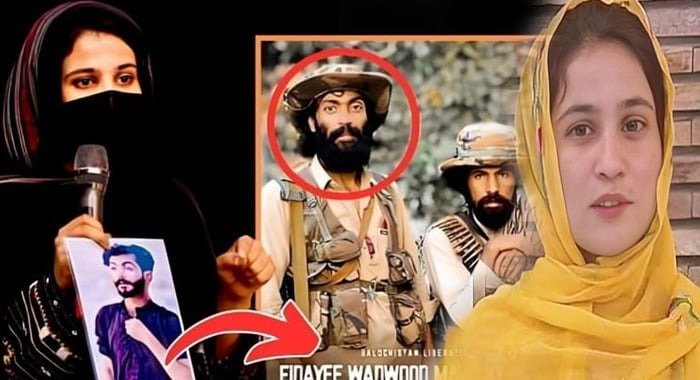
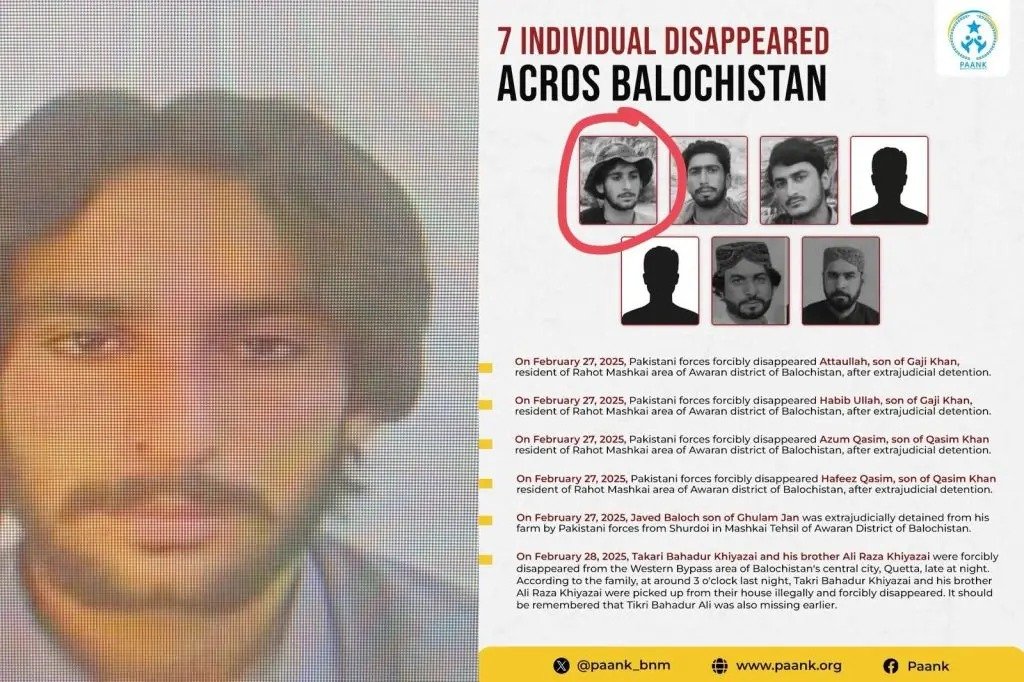
This operational nexus is sustained by direct leadership ties, shared personnel, and calculated narrative manipulation. Security agencies and senior law enforcement officials have documented that individuals facilitating intelligence or logistics networks for terrorist groups consistently trace back to the BYC platform. Confessions from arrested facilitators detail direct coordination with committee leadership, revealing how young individuals are first inducted into street protests and roadblocks before being pushed into violent BLA ranks. The overlap is further illuminated by prominent committee organizers whose immediate family members and personal guards serve as BLA commanders and Majeed Brigade operatives. A recurring pattern has emerged: individuals routinely listed by the BYC as Missing Persons systematically re-emerge as a terrorists of BLA and its affiliates exposing the systemic manipulation of missing-persons claims to provide cover for active terrorists.
The ideological impact of this pipeline is most visible in the alarming rise of radicalized youth and female suicide bombers. The formation and expansion of the BYC directly preceded an unprecedented surge in female suicide attacks executed by the Majeed Brigade. Female operatives, often coming from educated backgrounds without any personal history of missing relatives, have been drawn into lethal missions.
Beyond recruitment, the committee performs a critical post-operation function by managing optics and narrative warfare. Following major terrorist assaults, BYC figures routinely move to claim the bodies of slain terrorists, attempt to obstruct formal identification procedures, and frame neutralized attackers as innocent victims of state overreach. Concurrently, the committee maintains a telling silence regarding the BLA’s ruthless targeting of defenseless civilians, non-local laborers, infrastructure workers, and health personnel. This selective outrage confirms that the platform does not serve universal human rights, but rather acts as an informational shield to preserve international legitimacy for acts of terrorism. Former terrorist commanders who have surrendered to the state have publicly verified that the BLA, the Baloch Liberation Front, and the BYC function as distinct arms of a single overarching structure, with public rallies providing vital recruitment opportunities and financial backing.
Legal accountability has increasingly caught up with this arrangement. Anti-terrorism courts have handed down life sentences to top BYC organizers following violent demonstrations that resulted in the deaths of security personnel. Judicial bodies have established that the actions of these organizers demonstrate shared criminal intent under the Anti-Terrorism Act, leading to immediate statements of solidarity from proscribed BLA and BLF commanders that further cement their operational alignment.
Ultimately, the state’s duty to protect its citizens requires dismantling the entire radicalization network, from the training camps in the mountains to the civilian fronts operating in the urban centers. Dismantling this pipeline is essential to safeguarding vulnerable youth from being exploited as expendable assets in terrorist operations. Despite continuous calls for shutdowns and civil disruption, the resilient people of Balochistan consistently choose stability over violence. By keeping markets open, schools running, and daily life moving forward, the populace actively rejects the agenda of terrorist groups. Through the consistent application of the law, the protection of its populace, and the unyielding commitment to national unity, Pakistan ensures that development advances and its sovereign integrity remains undivided.