Balochistan’s industrial landscape is gaining a new dimension with the launch of the province’s first digital steel mill in Quetta, a development that brings modern manufacturing closer to a province with considerable economic potential and a growing need for industrial investment. Located in the Eastern Bypass Industrial Zone, the facility has an automated production system capable of manufacturing 500 tonnes of steel bars daily, adding new capacity to the province’s construction and manufacturing sectors.
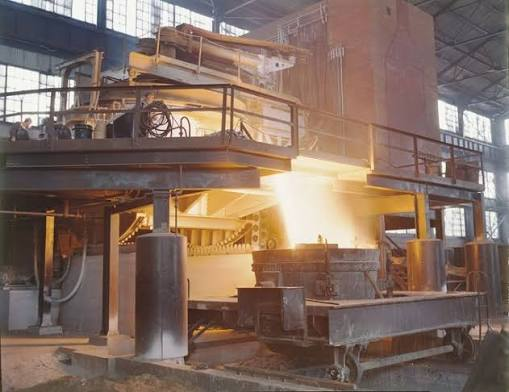
Balochistan’s industrial landscape is gaining a new dimension with the launch of the province’s first digital steel mill in Quetta, a development that brings modern manufacturing closer to a province with considerable economic potential and a growing need for industrial investment. Located in the Eastern Bypass Industrial Zone, the facility has an automated production system capable of manufacturing 500 tonnes of steel bars daily, adding new capacity to the province’s construction and manufacturing sectors.
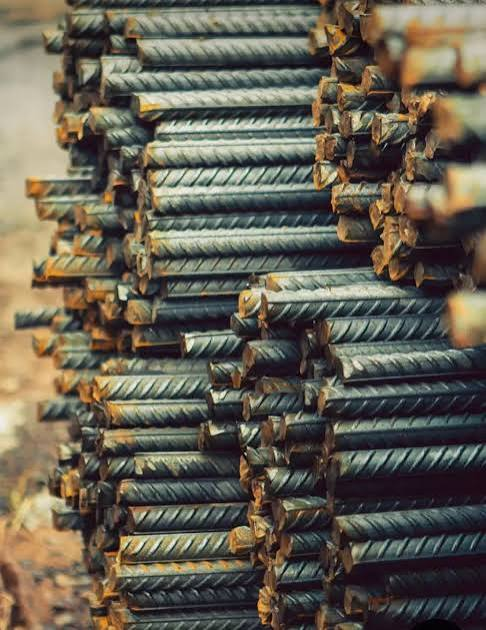
The steel mill produces Grade 60 steel bars in accordance with international standards. Its establishment comes amid expanding construction activity across Balochistan, where demand for building materials creates opportunities for local production, employment and investment. Steel mill CEO Aminullah has highlighted the value of establishing a steel manufacturing facility within the province as construction activity continues to increase.
The significance of the project extends beyond steel production. It represents a step towards building an industrial economy in which Balochistan increasingly participates in manufacturing, creates employment locally and meets a greater share of its own economic needs.
For a province where economic potential spans minerals, trade, agriculture, fisheries and infrastructure, industrial development remains essential to converting available resources into sustained economic activity. Manufacturing facilities can strengthen local supply chains, generate demand for transportation and other services, and create opportunities for workers beyond traditional employment sectors. The Quetta steel mill adds to this potential by introducing an automated production facility into the province’s existing industrial network.
Balochistan already has an industrial foundation on which further expansion can build. The Quetta Industrial and Trading Estate, Hub Industrial Estate and Uthal Industrial Estate provide established locations for industrial activity. A 2025 investment profile published by the Balochistan Board of Investment and Trade reported 486 enterprises operating across the province’s industrial zones, highlighting the presence of an existing business base for future investment.
Gwadar also holds an important place in this economic landscape. The inauguration of a Free Zone Agriculture Industrial Park in May 2024 and the Gwadar Port Authority’s invitation to local investors in July 2025 to establish industrial units in the Gwadar Free Zone reflect continuing efforts to expand industrial and commercial activity. Together, these initiatives point towards opportunities to connect manufacturing with trade, infrastructure and regional markets.
The new steel mill adds another dimension to these developments. Its daily production capacity of 500 tonnes provides the potential to supply steel for construction projects while creating demand for logistics, distribution and other supporting services. Local production can also strengthen the connection between industrial investment and economic activity within Balochistan, keeping more stages of the supply chain closer to the projects and markets they serve.
Employment is another important aspect of the development. Modern industrial facilities require workers across production, maintenance, logistics, administration and distribution. For young people in Quetta, an expanding manufacturing sector can create pathways into technical and industrial occupations. The wider benefit grows when industrial investment is accompanied by skills development, opportunities for local suppliers and sustained demand for locally produced goods.
Realising this potential requires reliable energy, efficient transport links, a skilled workforce and a business environment capable of attracting further investment. Consistent production and competitive pricing will determine how effectively the mill serves the local market and sustains its contribution to the provincial economy.
Balochistan’s economic progress depends on turning individual industrial projects into a broader manufacturing ecosystem. The launch of its first digital steel mill is a meaningful addition to that effort. As industrial activity expands across Quetta, Hub, Uthal and Gwadar, the province has an opportunity to build a stronger production base, broaden employment opportunities and translate its economic potential into lasting growth.