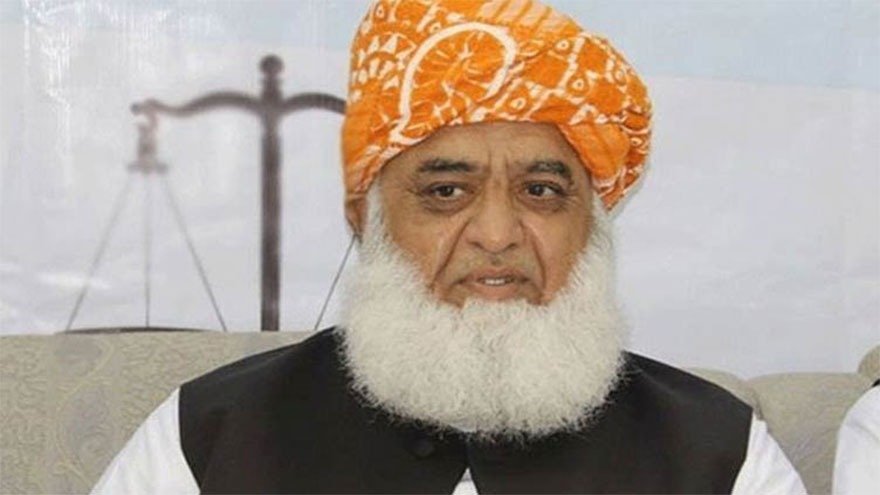
Maulana Fazlur Rehman has spent decades in public life. That experience should bring judgment, restraint and an understanding of how words can affect people beyond a rally ground. His recent remarks in Kasur, and his response to the backlash, have raised a fair question, should he retire from active politics before his legacy is defined by controversies like this?
During the rally, Fazlur Rehman discussed the security situation in Khyber Pakhtunkhwa and Balochistan and referred to security personnel receiving salaries while serving the country. Critics said that framing diminished the sacrifices of personnel who died in service. Several government figures condemned the remarks and called for an apology.
Fazlur Rehman later said his criticism was aimed at policymakers, not soldiers or the institution, and expressed respect for those killed in acts of terrorism. That distinction matters, political leaders must be able to criticize policy and debate the role of institutions. But a speaker is also responsible for how his words are likely to be understood, especially when discussing people who have lost their lives and families who continue to grieve.
The question is not whether a politician may criticize. In a democracy, they must be able to do so. The question is whether a leader of Fazlur Rehman’s stature can recognize when his wording has caused avoidable hurt and respond with the humility the moment calls for. He declined to apologize, maintaining that his remarks had been misunderstood and that his criticism concerned those making policy.
A politician’s record is not erased by one controversy. But a long career also brings a higher standard of responsibility. When a statement about service and sacrifice is heard by many as reducing the loss of life to a matter of salary, insisting only that critics misunderstood misses an opportunity to reassure the public and show compassion to bereaved families.
Retirement need not be treated as humiliation or defeat. It can be a deliberate choice to leave active politics with dignity, make room for younger leaders and allow a lifetime of public service to be remembered for more than the latest argument. Fazlur Rehman remains entitled to his views; the public is equally entitled to judge whether his words meet the responsibility expected of a senior leader.
At this stage of his career, stepping aside could be a wiser and more dignified decision than prolonging a dispute that has overshadowed the issues he meant to raise. A leader’s legacy is shaped not only by the years he remains in office, but also by knowing when to make room for others.