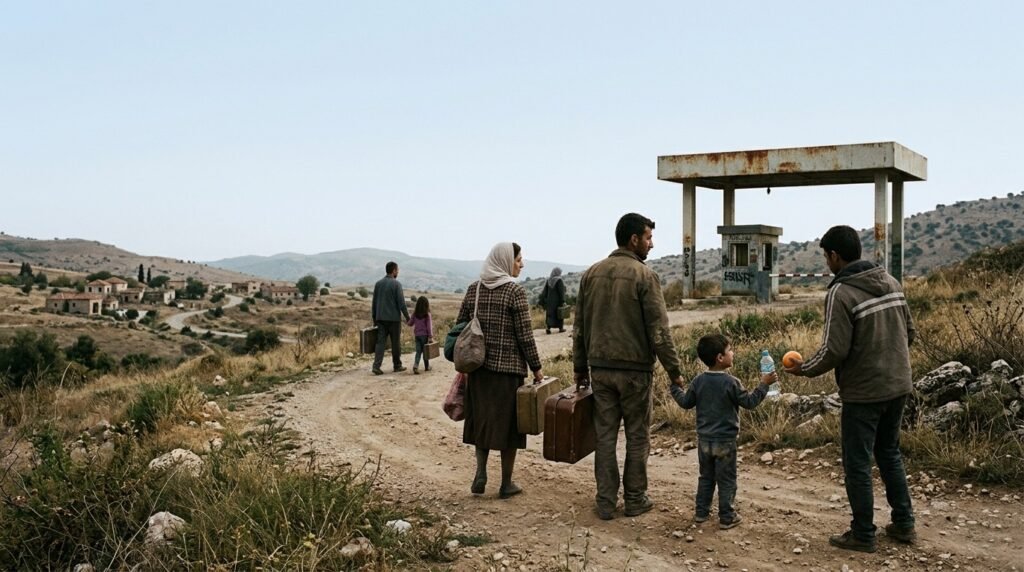
A statement attributed to Maulana Fazlur Rehman in the accompanying image calls for international organizations to examine the situation of Afghan refugees in Pakistan. Concern for people facing return is legitimate. But public debate should also recognize Pakistan’s responsibility to enforce its immigration laws, protect its citizens and address the security pressures that have shaped the policy.
Pakistan’s official position is that its Illegal Foreigners Repatriation Plan applies to people residing in the country unlawfully, regardless of nationality. Foreign nationals who are legally registered are outside the plan’s scope, and the government says it takes the safety of vulnerable people seriously. Pakistan has also acknowledged hosting millions of Afghans for decades.
That history matters. Pakistan provided refuge and opportunities to Afghan families over many years, while Pakistani communities and public services also carried significant responsibilities. The state’s decision to repatriate undocumented foreigners is therefore a matter of law and national policy, it should not be portrayed as a measure directed at Afghans as a people. Nor should the actions of armed groups be attributed to Afghan refugees collectively.
The concern raised by many Pakistanis is about balance. When political leaders ask international organizations to focus on the treatment of Afghan nationals, they should also acknowledge the security threats facing Pakistan and the suffering of citizens affected by terrorism. Calls for scrutiny are more credible when they recognise both the protection of vulnerable people and the state’s duty to its own population.
Political and religious leaders should address this issue with care, evidence and consistency. Pakistan should ensure that repatriation is conducted lawfully and with respect for human dignity. At the same time, its citizens’ safety, the enforcement of immigration rules and the country’s security concerns must remain part of the discussion.