
Baloch National Movement (BNM) Chairman Dr Naseem Baloch addressed the United Nations Committee on Economic, Social and Cultural Rights (CESCR) during Pakistan’s second periodic review in Geneva on 3 November. He presented his organisation’s familiar narrative of so-called human rights violations, portraying himself as the representative of the Baloch population. His appearance forms part of a sustained campaign to lobby foreign governments, target Pakistan’s international economic interests and secure support for BNM’s separatist agenda. While sitting safely abroad and campaigning against Pakistan, Dr Naseem openly seeks Indian support for the separation of Balochistan.
His Geneva appearance follows an extensive campaign against Pakistan’s economic interests in Europe. On 15 July 2026, a BNM delegation led by Dr Naseem visited the European Parliament in Brussels and urged European lawmakers to revoke Pakistan’s Generalised Scheme of Preferences Plus (GSP+) trade status. The delegation presented a dossier containing allegations of human rights violations and demanded the withdrawal of Pakistan’s preferential trade privileges. On 23 October, BNM representatives again met Members of the European Parliament in The Hague, continuing their campaign ahead of the expected January 2027 GSP+ review.
GSP+ provides Pakistani exporters with preferential access to European markets through reduced tariffs, supporting businesses, industries and employment. Dr Naseem’s campaign seeks to use Pakistan’s international trade arrangements as leverage for BNM’s separatist political objectives. Revoking these privileges would affect Pakistani exporters, industrial workers and businesses across the country.
His appeals to India provide a direct account of the foreign support he seeks. In a June 2022 interview with Indian publication India Narrative, Dr Naseem was asked what he expected India to do for the cause of an independent Balochistan. He explicitly called upon India to play a more prominent role and support the separatist movement. He stated, “I hope India and others will go a step ahead and speak up against the state atrocities of Pakistan in Balochistan and help us in our freedom struggle.”
This was an explicit appeal for Indian political support for a movement seeking separation from Pakistan. In January 2022, BNM had also welcomed a statement by India’s Ministry of External Affairs concerning Balochistan, describing it as a positive development and expressing hope that New Delhi would continue raising the issue internationally. Dr Naseem has openly invited India’s involvement in BNM’s campaign against Pakistan’s territorial integrity.
His May 2023 conversation with India Narrative, subsequently published on BNM’s official website, further clarified his political objectives. Dr Naseem described Pakistan as an occupying colonial regime, rejected the prospect of seeking a greater share of provincial resources and declared complete independence as his organisation’s objective. He also appealed to regional and global powers to intervene in support of the movement.
Dr Naseem has also acknowledged the importance of overseas financial networks to BNM. In his June 2022 interview, he stated that the Baloch diaspora provides financial and human-resource support to the organisation. He identified international public diplomacy as an important part of BNM’s strategy. His own statements establish that BNM relies on overseas support and actively seeks India’s political backing. Pakistani security sources have separately accused India of supporting anti-Pakistan separatist networks. Direct Indian government funding to Dr Naseem personally, however, has not been independently established in publicly available evidence.
The media dimension of this campaign is equally important. In his May 2023 interview, Dr Naseem identified Zrumbesh TV as one of BNM’s major broadcasting platforms. He discussed the organisation’s underground cell-based structure inside Balochistan and described its use of media, written material, audio and video for mobilisation and propaganda campaigns.
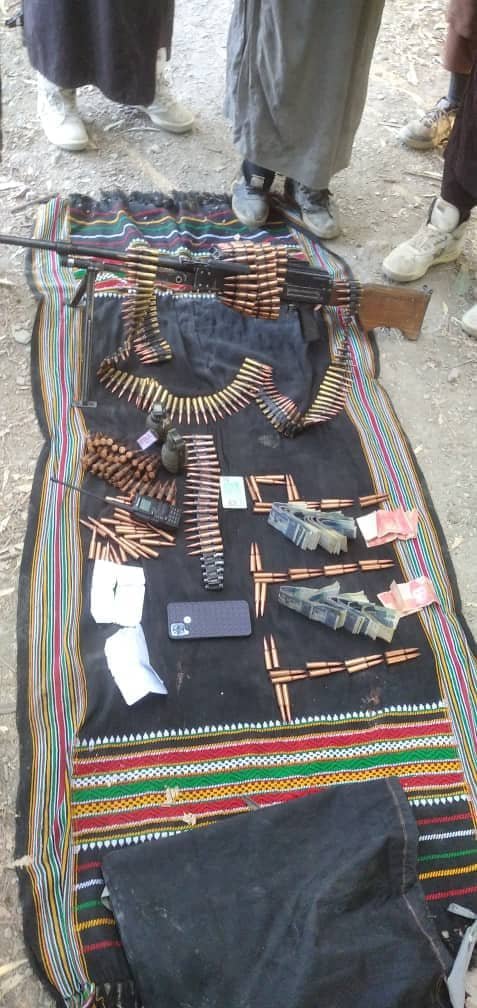
Zrumbesh also publishes statements and operational claims issued by the Balochistan Liberation Army (BLA) and Balochistan Liberation Front (BLF), both banned terrorist organisations in Pakistan. Its coverage includes claims of attacks against security personnel, state institutions and infrastructure, alongside narratives glorifying killed terrorists as martyrs. BNM’s international political lobbying and Zrumbesh’s amplification of BLA and BLF propaganda operate within the same broader separatist messaging environment.
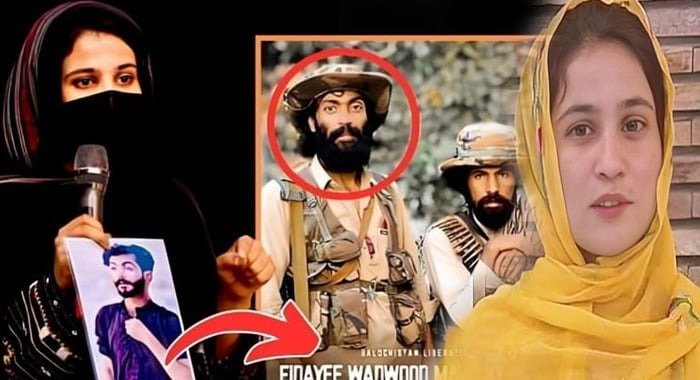
While Dr Naseem conducts his campaign from abroad, ordinary Baloch citizens, particularly young people, face the consequences of terrorism inside the province. Attacks against security personnel, workers, development projects and public infrastructure deepen insecurity, disrupt economic activity and deprive young people of opportunities. Terrorist recruitment and glorification of violence further endanger their future. The people whose suffering Dr Naseem invokes are the same communities that bear the cost of the violence promoted by separatist organisations.
Balochistan’s genuine socioeconomic challenges require better governance, education, healthcare, employment and equitable development. Pakistan must continue expanding opportunities for local communities while confronting terrorism and protecting young people from recruitment into violence. The province’s diverse population includes elected representatives, political parties, tribal elders, students, professionals and civil society organisations. Dr Naseem and BNM do not hold an exclusive mandate to represent them.
Dr Naseem Baloch’s own public record establishes the direction of his campaign: complete separation from Pakistan, international pressure against its economic interests and appeals for Indian support. His overseas lobbying and promotion of separatist narratives must be examined alongside the consequences of terrorism for Baloch society. The future of Balochistan belongs to its people, who deserve peace, security, education and economic opportunity rather than violence and a separatist agenda promoted from abroad.