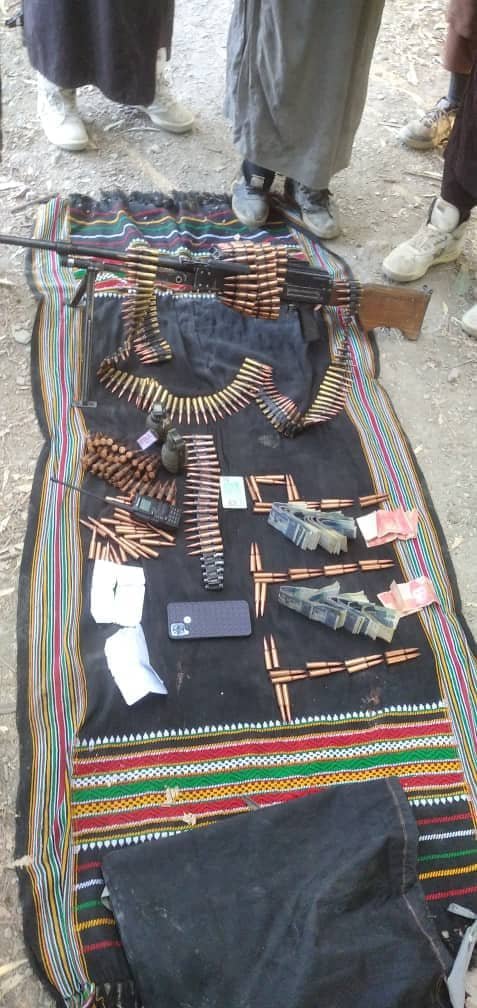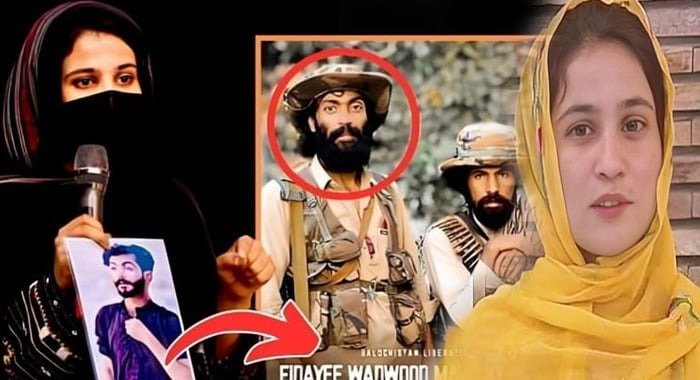
Balochistan’s security challenge is evolving, and one of its most disturbing dimensions is the growing exploitation of women and young girls by terrorist organisations. What makes this trend particularly alarming is that women are increasingly being used not only for terrorist operations but also as instruments of recruitment, publicity and psychological propaganda. Behind the images of armed women circulated on social media there are certain stories of manipulation, emotional exploitation, blackmail and personal tragedy.
The case of Adeela Baloch, a nurse from Turbat, brought this issue into public debate in September 2024. According to her statement at a press conference in Quetta, she was misled through false promises and psychological manipulation and was being prepared for a suicide attack. She had worked on a World Health Organization (WHO) project at Turbat Teaching Hospital, where her professional responsibility was to save lives. Her case raised a deeply troubling question that how can someone dedicated to protecting human life be persuaded to become part of a plan intended to destroy the life of the innocents?
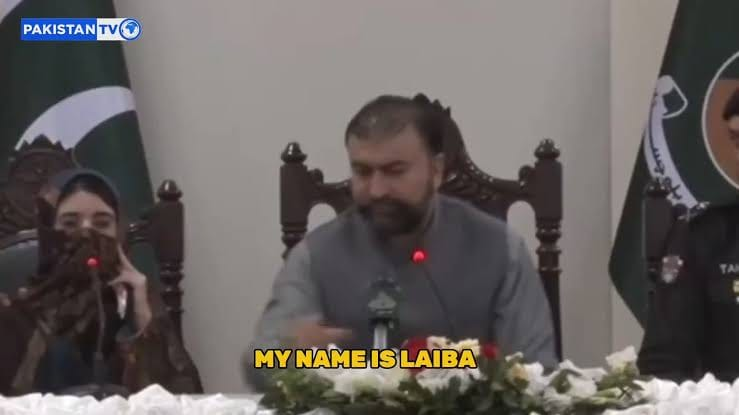
Similarly, another case emerged in March 2026 when 19-year-old Laiba, also known as Farzana, from Khuzdar was arrested in an alleged suicide bombing plot. According to Dawn, she stated that a commander associated with the Tehreek-e-Taliban Pakistan (TTP) had initially approached and psychologically prepared her before connecting her with the Baloch Liberation Army (BLA). She further claimed that she had been assigned the task of preparing other young women for recruitment. These claims clearly elaborates that how terrorist networks may exploit personal relationships and online contacts to expand their recruitment beyond conventional organizational circles.
In May 2026, Balochistan Chief Minister Sarfraz Bugti announced the arrest of Khair-un-Nisa, a woman from Turbat, while she was travelling towards Islamabad. According to the chief minister, she had allegedly been blackmailed by a relative and prepared for a suicide attack. In August 2026, the provincial authorities also announced the recovery of two minor girls, 16-year-old Zainab and her 12-year-old cousin Fatima, who were allegedly being prepared for suicide missions after their family tragedies were exploited by terrorist handlers. These cases highlight the particular vulnerability of young girls to psychological manipulation.
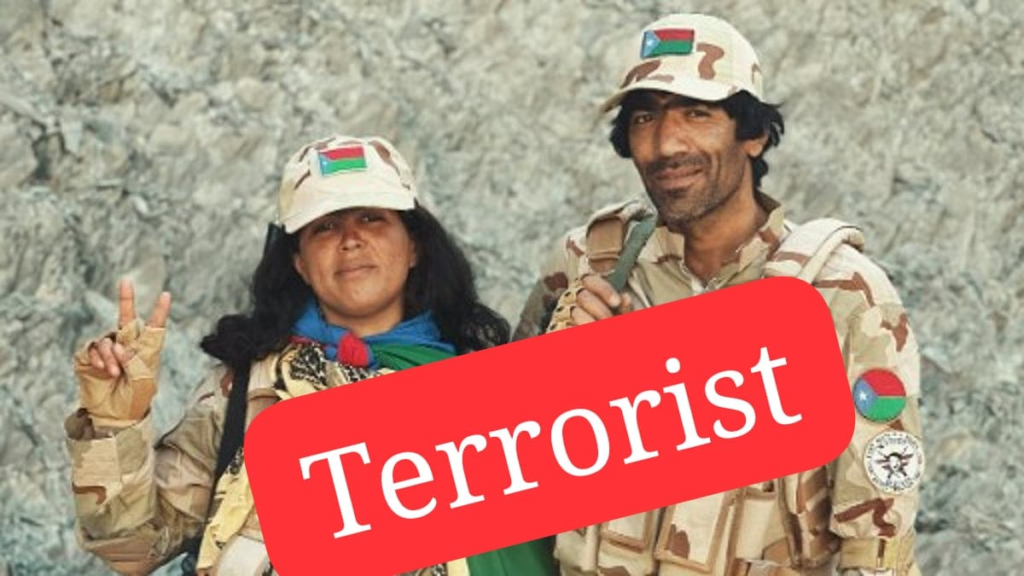
Women are also being used to strengthen terrorist propaganda. In February 2026, Reuters examined photographs and biographies circulated by terrorist organziations, including those of Yasma Baloch. Reuters could not independently verify the material, but analysts described it as part of an effort to present the organization as socially representative and attract new recruits. The strategic purpose is clear that women’s participation can be presented as evidence of wider public support, while their images are used to romanticise violence and give terrorism an emotional appeal.
The state has taken steps to respond. Security operations based on human intelligence have reportedly prevented planned attacks and recovered vulnerable girls. In the Laiba case, the chief minister emphasised that female police personnel would be involved in her interrogation and that her dignity and safety would be protected. In Khair-un-Nisa’s case, the provincial government also reported that individuals were undergoing rehabilitation in Quetta. At the policy level, the government’s engagement with social media platforms over online recruitment, reported by Reuters, is another important measure. The Balochistan Women Development Department also identifies education, healthcare, economic empowerment and legal protection as key priorities for women across the province.
However, counterterrorism cannot succeed through security operations alone. It must be supported by education, digital awareness, rehabilitation, family engagement and greater economic opportunities for women. Equally important is ensuring that victims of manipulation receive protection, dignity and a genuine opportunity to rebuild their lives.
Baloch women deserve to be recognized for their courage, education, talent and contribution to society, not reduced to symbols in someone else’s violent campaign. Their grief should not become a recruitment tool, their photographs should not become propaganda, and their futures should not be sacrificed for terrorist agendas.
The daughters of Balochistan deserve books, universities and opportunities, not suicide jackets and a future written by violence.