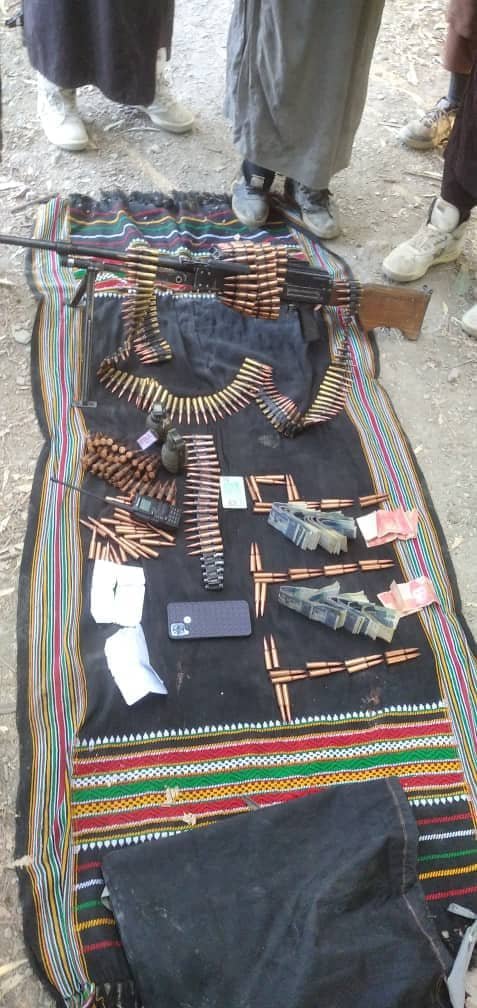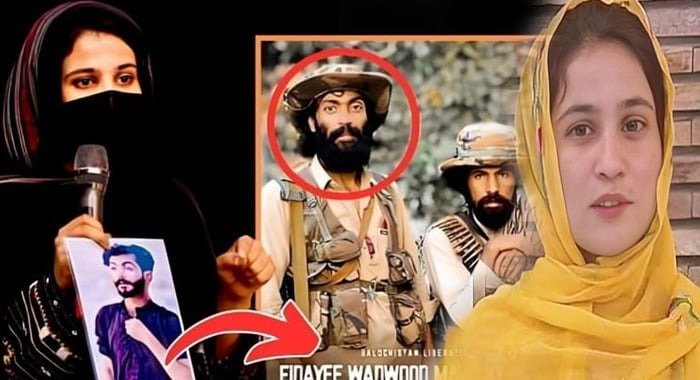
Terrorist groups operating in Balochistan present themselves as defenders of a cause, but their actions bring fear, loss and disruption to the very communities they claim to represent. Foreign funding and support help sustain these networks and their campaign of violence.
Money gives terrorist groups the means to recruit, acquire weapons, arrange transport and communications, and organise attacks. It also helps them maintain propaganda operations designed to shape how local people view their activities. Foreign support strengthens these networks while the costs of their violence fall on Baloch families, workers, traders and communities.
False promises used to recruit
Terrorist groups seek to draw people in by exploiting real grievances and presenting violence as the only path to change. They use promises of liberation, dignity or a better future to recruit young people and gain sympathy. These promises conceal the reality: recruits are placed in danger, families are left to bear the consequences, and local communities face intimidation and insecurity.
Propaganda helps sustain this deception. Carefully selected footage and slogans can portray terrorist activity as popular resistance while hiding coercion, criminal conduct and harm to civilians. By controlling the story, these groups try to manufacture legitimacy they have not earned through public trust or service to the people.
The recruitment message is especially damaging when it targets young people who want opportunity, respect and a voice in their future. Terrorist groups turn those hopes into tools for recruitment, then place recruits in operations that endanger their lives and the lives of others. Their rhetoric speaks of serving Balochistan, their actions expose Balochistan’s people to violence.
Foreign funding, local consequences
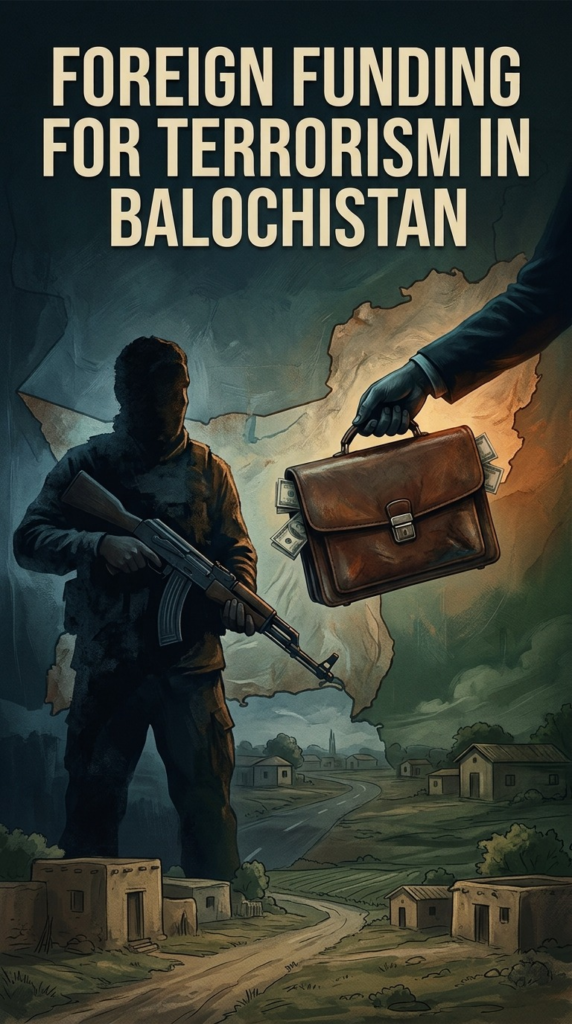
Foreign backing gives terrorist networks resources to continue this deception and sustain their operations. It allows them to project an image of strength and organisation while communities face the real consequences: threatened travel, disrupted businesses, damaged infrastructure and fear in daily life.
The contrast is stark. These groups claim to act for local people, yet their violence undermines local livelihoods and development. They claim to defend the province, yet put its residents at risk. They speak of freedom while using intimidation and propaganda to manipulate the very people whose support they seek.
Balochistan’s people deserve to recognise this pattern for what it is, terrorist violence wrapped in the language of a cause, supported by resources that serve an agenda beyond the interests of local communities.
Protecting the province
Pakistan’s response is directed at protecting citizens, dismantling terrorist networks and preventing them from continuing their operations. Security forces and law-enforcement agencies are working to deny these groups freedom of action and hold those responsible for violence accountable. The state’s resolve is to defend Balochistan’s peace, security and development.
The people of Balochistan should not be deceived by slogans or staged propaganda. A group’s purpose is revealed by what it does whether it protects communities or puts them in danger, whether it builds opportunity or destroys it, whether it respects local people or treats them as instruments for violence.
Indian-backed terrorism offers no future to Balochistan. It brings fear, disruption and loss. The province’s future belongs to its people, not to Indian’s funded terrorist networks that exploit their hopes and put their lives at risk.