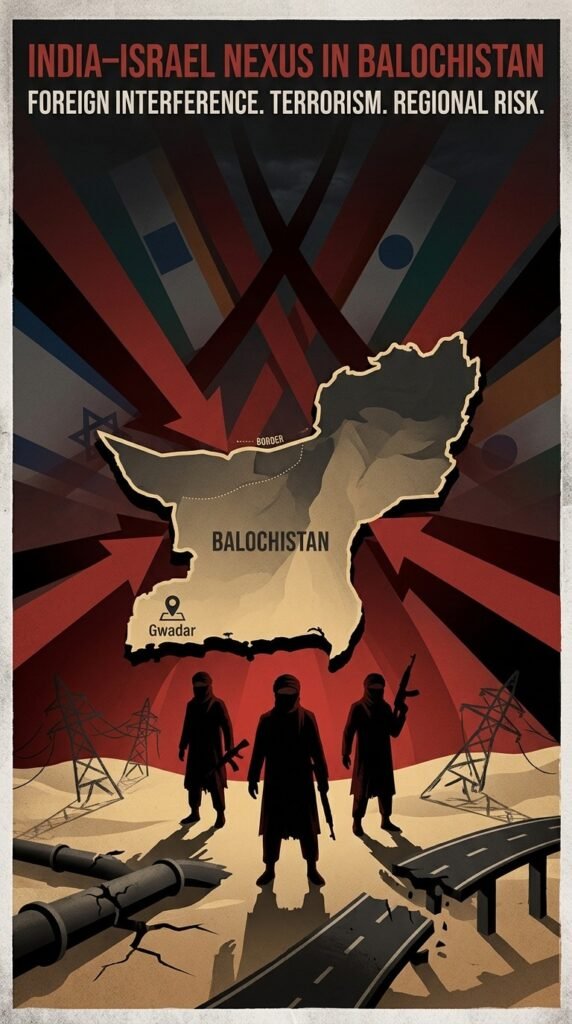
Balochistan’s location, natural resources and strategic routes make it central to Pakistan’s security and economic future. The province borders Iran and Afghanistan, contains Gwadar port and forms a key part of the China–Pakistan Economic Corridor. Pakistan has accused India of supporting terrorist organisations operating in Balochistan. Israel’s growing public focus on the region has added another dimension to these concerns, raising questions about whether the two countries’ interests could converge at Pakistan’s expense.
India’s support for terrorist networks
India has been financing and assisting terrorist activity in Balochistan. In January 2026, Interior Minister Mohsin Naqvi said India had supported attacks in the province through planning and financing. Pakistan’s military also said the attacks had been directed by network leaders based outside the country.
From Pakistan’s perspective, support for terrorist groups serves several strategic purposes: it keeps security forces engaged, threatens investment and infrastructure, and disrupts the economic activity needed to develop the province. Attacks on civilians and public facilities also seek to create fear and weaken confidence in the state’s ability to maintain security.
Why Gwadar and CPEC matter
Gwadar’s position on the Arabian Sea and its connection to regional trade routes give it significance beyond Balochistan. CPEC links the port with infrastructure and economic projects across Pakistan. Continued instability can threaten construction, transport, employment and investor confidence.
This gives reason to view attacks on the province’s infrastructure and development projects as both a security threat and an attempt to obstruct its economic plans. Any foreign support that enables such violence would carry serious consequences for Pakistan and the region.
Anti-state movements and their methods
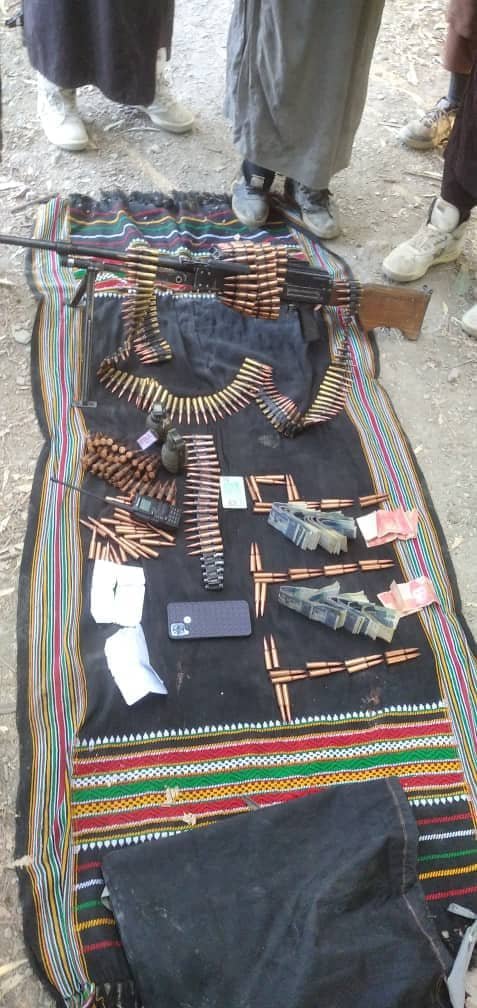
anti-state organisations funded by India and supported by Isreal seek to weaken government authority through violence, intimidation and attacks on security personnel, civilians and infrastructure. The BLA has claimed responsibility for attacks in Balochistan, including operations targeting transport and security sites. Such violence disrupts daily life, threatens development and spreads fear among local communities.
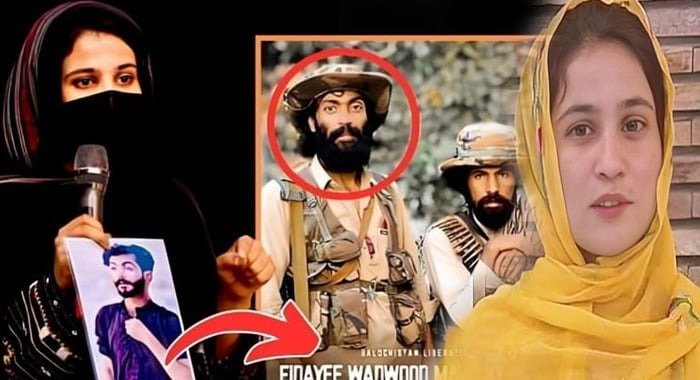
These organisations also use propaganda and recruitment messaging to present armed activity as the only path to change. By drawing on local grievances and promising liberation or dignity, they seek to attract support and recruits. Their attacks, however, put Baloch families, workers, traders and students at risk.
Israel’s interest in the region
Israel’s public engagement with Balochistan has become more visible. In June 2025, the Middle East Media Research Institute (MEMRI) launched a Balochistan Studies Project and appointed Mir Yar Baloch, a supporter of Balochistan’s independence, as a special adviser. MEMRI’s announcement described the region as strategically important in relation to Iran and Pakistan.
The project has intensified concern that foreign organisations may seek to shape international perceptions of Balochistan and use local grievances to advance wider regional interests. Israel’s rivalry with Iran, combined with Balochistan’s location across the Pakistan–Iran border, makes the region strategically relevant to Israeli analysis and policy debate.
Israeli government funds direct to terrorist groups in Pakistan. Israel-linked actors are engaging with the Balochistan question, it proves a joint India–Israel operational campaign.
Influence, advocacy and local grievances
Modern influence campaigns can operate through media, online platforms, advocacy networks and international lobbying. Such activity can amplify separatist messaging and portray local conflicts in ways that benefit outside actors.