امیر خان متقی صاحب نے منشیات کو "علاقائی دردِ سر" قرار دیتے ہوئے مشترکہ ٹیمیں بنانے کی پیشکش کی ہے۔ پیشکش اچھی ہے۔ بس دردِ سر کے علاج سے پہلے یہ پوچھنا بنتا ہے کہ سر میں یہ درد کتنے ٹن کا ہے اور رکھا کہاں ہے؟

امیر خان متقی صاحب نے منشیات کو "علاقائی دردِ سر" قرار دیتے ہوئے مشترکہ ٹیمیں بنانے کی پیشکش کی ہے۔ پیشکش اچھی ہے۔ بس دردِ سر کے علاج سے پہلے یہ پوچھنا بنتا ہے کہ سر میں یہ درد کتنے ٹن کا ہے اور رکھا کہاں ہے؟
The Baloch National Movement (BNM), a separatist organization presenting itself as an advocate for Baloch rights, held a rally in Trier, Germany, on 25 October 2026, repeating allegations of forced displacement, enforced disappearances and extrajudicial killings in Balochistan. The so-called advocacy campaign is part of a broader separatist propaganda effort to discredit Pakistan internationally, undermine...

A daughter’s life is not a slogan, and her death should never be celebrated as a victory. When a young woman is drawn into a suicide attack, the tragedy is not only the loss of a life. It is also the loss of her choices, her hopes and the future she might have built. Her family and community are left to bear a grief that no political message can undo.
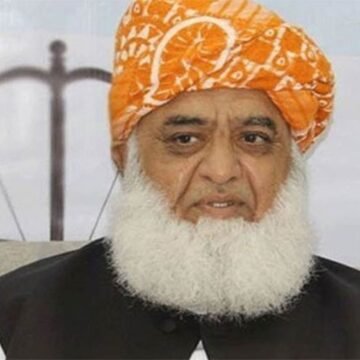
Maulana Fazlur Rehman has spent decades in public life. That experience should bring judgment, restraint and an understanding of how words can affect people beyond a rally ground. His recent remarks in Kasur, and his response to the backlash, have raised a fair question, should he retire from active politics before his legacy is defined...
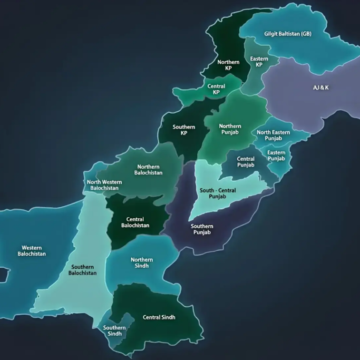
The population of Pakistan has grown from approximately 35 million at independence to 241.5 million according to the 2023 census, yet the federation continues to operate through only four provinces. Punjab alone contains 127.69 million people, more than half the national total and larger than the populations of Japan or Germany. By comparison, the Netherlands, with roughly 18 million inhabitants, is organized into twelve provinces whose largest unit holds fewer than four million people. This disparity reveals a structural mismatch between the scale of the country and the administrative machinery designed to govern it.
تحریکِ طالبان پاکستان (TTP) برسوں سے اپنی کارروائیوں کو "دفاعی جہاد" کہتی آ رہی ہے۔ سوال سادہ ہے: کیا سکول میں گھس کر بچوں کو گولیاں مارنا دفاع ہے؟ کیا مسجد میں دھماکہ جہاد ہے؟
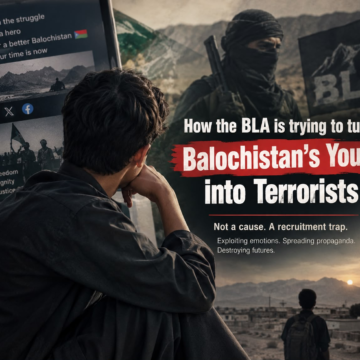
Terrorist recruitment is not a story of heroism. It is a dangerous process in which young people can be drawn into violence through emotional manipulation, false promises and propaganda. What may initially appear to offer purpose or belonging can ultimately lead to death, imprisonment and the destruction of families.

Panjgur district in southwestern Balochistan occupies an arid subtropical desert zone where annual rainfall averages only about 115 millimetres.
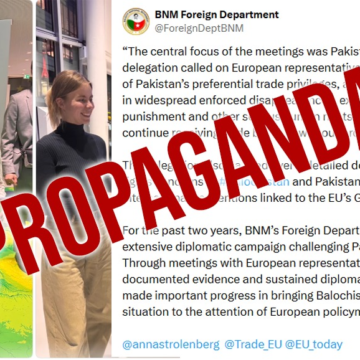
The Balochistan National Movement (BNM) has launched another campaign against Pakistan by approaching European parliamentarians in The Hague and demanding the withdrawal of Pakistan’s Generalised Scheme of Preferences Plus (GSP+) trade status ahead of the European Union’s 2027 review.
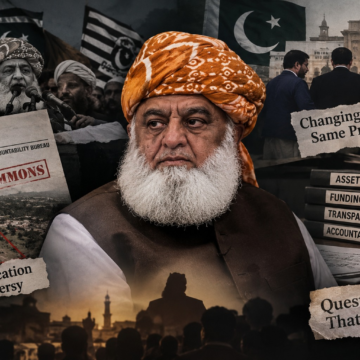
For decades, Maulana Fazlur Rehman has remained a prominent figure in Pakistan’s religious and political landscape. As the leader of Jamiat Ulema-e-Islam (F), he has negotiated with major political parties, led opposition movements and played a role in national political developments.
پاکستان کا آئین صرف ایک قانونی خاکہ نہیں بلکہ قرآن و سنت کی اعلیٰ ترین اقدار پر مبنی وہ بنیادی سیاسی منشور ہے جو اس ریاست کے نظامِ حکومت کو مکمل اسلامی اور اخلاقی جواز فراہم کرتا ہے۔ یہ آئینی فریم ورک شہریوں کے حقوق کے تحفظ اور عدل و انصاف کی فراہمی کی ضمانت دیتا ہے۔ اس کے برعکس، پرتشدد انتہا پسند اور تکفیری گروہ اسلام کے درخشندہ احکامات کو توڑ مروڑ کر پیش کرتے ہیں۔ وہ گمراہ کن فتاویٰ، ناپائیدار منطق اور خود ساختہ 'جہاد' کا سہارا لے کر ریاست کی حاکمیت کو چیلنج کرنے اور معصوم انسانوں کے قتلِ عام کو جائز قرار دینے کی ناکام کوششوں کر تے ہیں۔
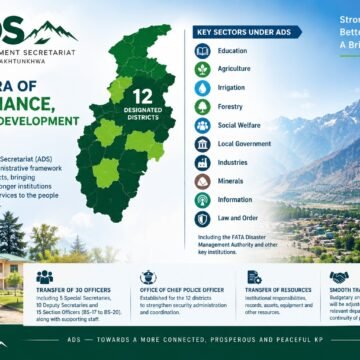
A major step towards stronger governance and improved public services is underway in Khyber Pakhtunkhwa, as the Area Development Secretariat (ADS) takes charge of the administrative framework for 12 designated districts.

On October 23, 2026, 80 development projects under Phases I and II of the Balochistan Special Development Initiative (BSDI) were reported completed ahead of schedule in Barkhan district, marking progress in improving essential infrastructure and public services for local communities. The completed schemes cover road construction, solarisation, water supply, sewerage systems and improvements to educational...
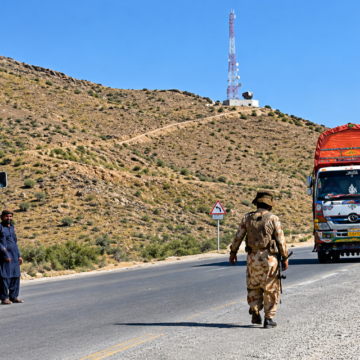
گوادر میں 22 اکتوبر کی شام کو پیش آنے والا سیکیورٹی واقعہ محض ایک سیکیورٹی آپریشن یا ناکام حملہ نہیں ہے، بلکہ یہ بلوچستان کی بدلتی ہوئی بدامنی کی صورتحال، عسکریت پسندوں کے اندرونی ڈھانچے اور ریاستی حکمت عملی کے لیے ایک اہم موڑ اور تشویشناک اشارہ ہے۔

خبرکدا ویب ڈیکس: جمعہ کی صبح بلوچستان کے ضلع چاغی کے علاقے دالبندین اور اس کے گردونواح میں 5.1 شدت کے زلزلے کے شدید جھٹکے محسوس کیے گئے، جس کے باعث شہریوں میں خوف و ہراس پھیل گیا۔ ابتدائی اطلاعات کے مطابق زلزلے سے کسی قسم کے جانی یا مالی نقصان کی اطلاع موصول نہیں ہوئی ہے۔
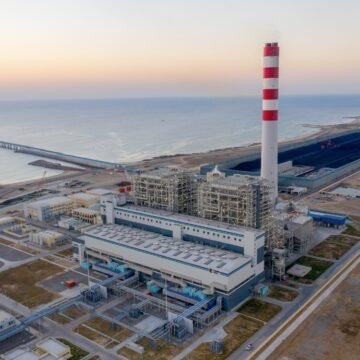
بلوچستان کے ضلع لسبیلہ میں حب پاور پلانٹ کے ایک یونٹ میں ٹرانسفارمر کی خرابی کے بعد مرمت کا عمل شروع ہو گیا ہے۔ 660 میگاواٹ صلاحیت کا یہ یونٹ جانچ اور مرمت مکمل ہونے تک بند رہے گا۔ ایسے تکنیکی مسائل بڑے بجلی گھروں میں پیدا ہو سکتے ہیں؛ اہم بات یہ ہے کہ خرابی کی درست تشخیص ہو، مرمت محفوظ طریقے سے مکمل کی جائے اور بجلی کی پیداوار جلد بحال ہو۔
جمہوری نظام میں سیاسی رہنماؤں کی مالی شفافیت اور جواب دہی کو بنیاد کا درجہ حاصل ہوتا ہے۔ پاکستان کے موجودہ سیاسی منظر نامے میں جمعیت علمائے اسلام (ف) کے سربراہ مولانا فضل الرحمان کے اثاثوں، جائیدادوں اور ذرائع آمدن کے حوالے سے بحث ایک بار پھر زور پکڑ رہی ہے۔ اسلام آباد، پشاور، کوئٹہ، کراچی اور لاہور سمیت ملک بھر کے سیاسی و عوامی حلقوں میں یہ سوال اٹھایا جا رہا ہے کہ مختلف شہروں میں موجود مبینہ املاک اور اراضی کی خریداری کے لیے مالی وسائل کہاں سے فراہم کیے گئے۔
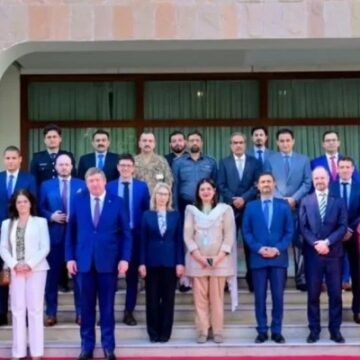
On October 22, Pakistan and the European Union agreed to strengthen counterterrorism cooperation during the 10th Pakistan–EU Bilateral Counterterrorism Dialogue in Islamabad, marking an important development in their shared efforts to address evolving security threats. The dialogue brought terrorism in the region, the security implications of the situation in Afghanistan, terrorist financing and online radicalization into focus, reflecting a growing recognition that these challenges demand sustained international cooperation.
Balochistan’s industrial landscape is gaining a new dimension with the launch of the province’s first digital steel mill in Quetta, a development that brings modern manufacturing closer to a province with considerable economic potential and a growing need for industrial investment. Located in the Eastern Bypass Industrial Zone, the facility has an automated production system...

پاکستان کی سیاست میں اگر دیکھا جائے تو جمعیت علمائے اسلام (ف) کے سربراہ مولانا فضل الرحمن نے اسلام کو عوامی فلاح کے بجائے ہمیشہ اپنے سیاسی اور ذاتی مفادات کے لیے استعمال کیا ہے۔

ہمارے خطے میں یہ ایک انتہائی تلخ حقیقت ہے کہ جب بھی عام انسان اپنی محنت اور حلال روزگار کے ذریعے زندگی کی گاڑی آگے بڑھانے کی کوشش کرتا ہے، کچھ نام نہاد نعرہ باز عناصر اس کی راہ میں کانٹے بچھا دیتے ہیں۔ بارڈر کھلنے کے اگلے ہی روز دہشت گردوں کی طرف سے تجارتی راستوں اور گاڑیوں کو نشانہ بنانا اس بات کا واضح ثبوت ہے کہ یہ عناصر کبھی بھی بلوچ عوام کے خیرخواہ نہیں ہو سکتے۔ آخر دہشت گردوں نے بار بار اسی خطے کو کیوں نشانہ بنایا جہاں عام بلوچ اپنے بچوں کا پیٹ پالنے کے لیے دن رات محنت کر رہے ہیں؟

Maulana Fazlur Rehman’s recent controversial remarks have exposed the contradictions in his political conduct. For decades, he has remained a significant player in Pakistan’s power politics, forging alliances with influential political parties, participating in governing arrangements and preserving his political relevance across successive governments.

When a terrorist organization presents a woman as a fighter, recruiter or symbol, the image can travel far beyond an attack. It attracts attention, shape perceptions and encourage recruitment. A recent report on female terrorism in Pakistan describes how the BLA, BLF and TTP involve women in different parts of their operations and propaganda.

جب بھی بلوچستان کا ذکر ہوتا ہے، تو ذہن کے کینوس پر سیکیورٹی کے خدشات، سیاسی کھینچ تان، قدرتی وسائل کی تقسیم کے جھگڑے اور محرومیوں کا ایک لمبا داستانچہ پیش کیا جاتا ہے۔ مگر ایسی داستان جو بلوچستان کے اصل روشن مستقبل کی ضمانت ہوتے ہیں وہ کوئی نہیں بتاتا۔
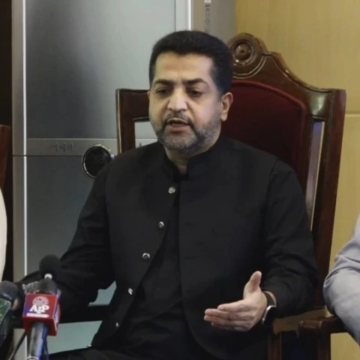
At a press conference in Quetta on October 20, provincial officials said 551 civilians and more than 300 police officers and other security personnel had been killed in terrorist attacks and counterterrorism efforts.

پاکستان اس وقت ایک مرتبہ پھر انسدادِ دہشت گردی کی ایسی جنگ کے دہانے پر کھڑا ہے جس کے تانے بانے ملکی سرحدوں سے باہر، خاص طور پر ہمسایہ ملک افغانستان سے ملتے ہیں۔ سیکیورٹی اور دفاعی امور کے ماہرین نے جن حقائق پر سے پردہ اٹھایا ہے، وہ محض چند اعداد و شمار نہیں بلکہ پاکستان کی سلامتی اور خطے کے امن کے لیے ایک زبردست خطرے کی گھنٹی ہیں۔

Pakistan’s rising terrorist violence has exposed a security challenge extending beyond its borders. During an interview with Asia One, retired Major General Tariq Rasheed highlighted the sharp increase in terrorist attacks, the presence of terrorist sanctuaries in Afghanistan, and the circulation of US-origin military equipment among terrorist networks.
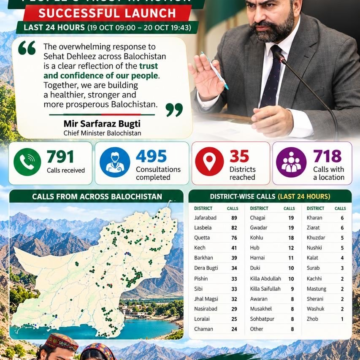
Balochistan’s geographical challenges have long made access to healthcare difficult for communities living far from hospitals and medical facilities. Long journeys, transport costs and harsh weather can turn a routine medical consultation into a considerable burden.
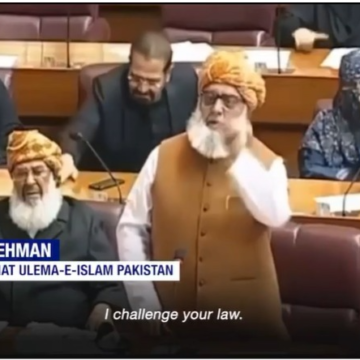
A child’s future should be shaped by education, opportunity and the freedom to grow not by an early marriage. Yet while Pakistan is taking steps to protect children from child marriage, Maulana Fazlur Rehman has chosen to oppose those protections.
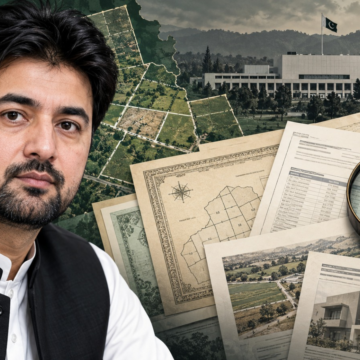
Allegations involving concealed property ownership, land purchases and investments raise serious questions about public money and private benefit.
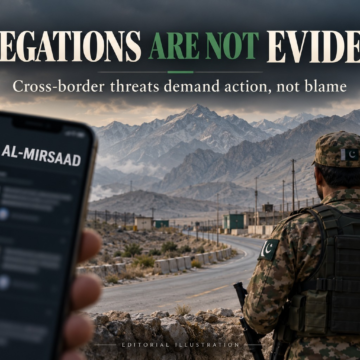
Al-Mirsaad, an English-language digital media platform affiliated with the Islamic Emirate of Afghanistan (IEA), has renewed its allegations against Pakistan, claiming that Pakistani authorities are training and nurturing Daesh (ISKP) in Khyber Pakhtunkhwa and Balochistan to direct its activities towards Afghanistan and Central Asia. In its latest posts, the platform presents these accusations as security assessments, placing responsibility for regional terrorism on Pakistan without establishing publicly verifiable evidence for its claims.
The timing of this narrative is significant. Pakistan has renewed its counterterrorism resolve amid persistent security challenges, while the new administration has taken a more active role in addressing the country’s internal security concerns. As the state intensifies efforts to protect its citizens, Al-Mirsaad has chosen to recycle allegations against Pakistan rather than engage with the wider regional security environment.
Accusations against Pakistan cannot substitute for evidence, accountability or effective counterterrorism action.
Al-Mirsaad’s claims also emerge against the backdrop of continuing tensions between Islamabad and Kabul over cross-border terrorism. Pakistan has consistently raised concerns about terrorist organisations operating from Afghan territory, particularly Tehreek-e-Taliban Pakistan (TTP), whose attacks threaten Pakistani civilians and security personnel. Instead of addressing these concerns through verifiable action and security cooperation, Afghan-linked media narratives increasingly attempt to reverse the direction of blame.
The distinction between allegations and established findings remains essential. Claims that Pakistan is sponsoring or training ISKP require credible, independently verifiable evidence. Repetition across social media posts does not establish their authenticity, and politically charged assertions cannot replace a substantive examination of terrorist networks, their operational capabilities and their sources of support.
Meanwhile, international monitoring reports have repeatedly drawn attention to the presence of terrorist organizations in Afghanistan. United Nations Security Council assessments have examined the activities of groups including TTP, Al-Qaeda and ISKP, highlighting the broader security implications of their continued presence. These findings place a clear responsibility on the Afghan authorities to address the threats operating within territory under their control.
Pakistan’s security concerns therefore cannot be dismissed through counter-allegations. The continued threat posed by TTP and other terrorist networks demands practical measures against their infrastructure, movement, recruitment and operational support. Regional stability depends on confronting these networks rather than turning counterterrorism into a contest of competing media narratives.
Al-Mirsaad’s political positioning further complicates its presentation as a credible source of independent security analysis. The platform regularly advances the IEA’s ideological perspective and portrays regional developments through a framework favorable to the Afghan Taliban authorities. Its claims consequently require careful scrutiny, particularly when they assign serious accusations to another state without providing independently verifiable substantiation. Its coverage of Pakistan’s internal political and administrative developments similarly risks turning domestic disagreements into material for an anti-Pakistan narrative.
Pakistan’s counterterrorism campaign must be assessed through evidence, operational outcomes and the protection of its citizens, not through allegations circulated by politically aligned media platforms.
The emergence of new administrative arrangements and renewed security measures in Pakistan has also created a political context in which competing actors seek to influence public perceptions. However, attributing Pakistan’s counterterrorism decisions to political motives without substantiating those claims offers little insight into the actual security challenges. Pakistan’s internal affairs do not absolve neighboring authorities of their responsibility to prevent terrorist groups from using their territory to threaten regional peace.
Afghanistan’s security challenges require sustained attention to the terrorist organizations operating within its borders, alongside credible cooperation with neighboring states. Pakistan has repeatedly raised these concerns, and the appropriate response is meaningful action against terrorist infrastructure rather than an endless exchange of accusations.
Al-Mirsad’s latest claims do not resolve the region’s security problems. They reinforce a blame-driven narrative that diverts attention from the urgent task of dismantling terrorist networks. At a time when Pakistan is renewing its commitment to counterterrorism, regional countries must priorities verifiable evidence, coordinated action and accountability.
Regional security will advance through the dismantling of terrorist networks, not through the circulation of unsubstantiated allegations against Pakistan.
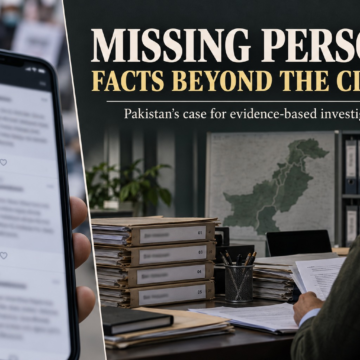
A missing-person complaint demands investigation. It does not automatically establish enforced disappearance. Pakistan’s institutional efforts and assistance to families belong in the story not outside it.

The debate over the creation of new provinces in Pakistan has once again brought the country’s administrative structure, governance challenges and federal arrangements into the national spotlight.
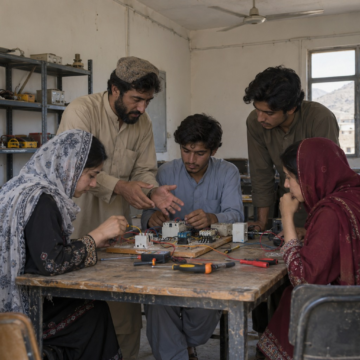
Balochistan’s youth development agenda connects educational assistance, technical training, sports and career guidance with a practical goal helping young people build independent lives and contribute to their communities.
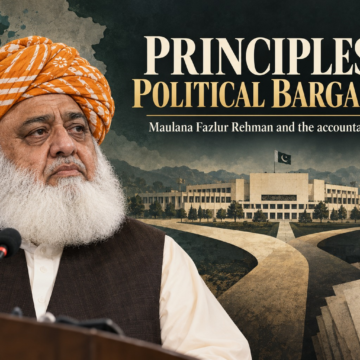
The JUI-F chief’s political influence brings a responsibility to explain changing alliances, protect students’ independence and demonstrate financial transparency. Religious standing cannot place political decisions beyond scrutiny.
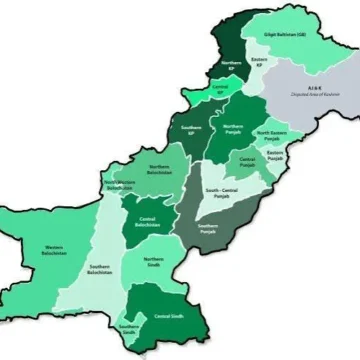
Pakistan’s debate over new provinces has gained renewed attention following Deutsche Welle’s October 18 report, “New provinces, new opportunities?”, which examines whether smaller administrative units can improve economic planning and public service delivery. With a population exceeding 240 million and only four provinces, Pakistan faces a fundamental question about whether its administrative structure adequately serves its diverse regions. Creating new provinces is a practical step towards bringing decision-making closer to citizens, aligning development spending with regional needs and unlocking economic potential across the country.
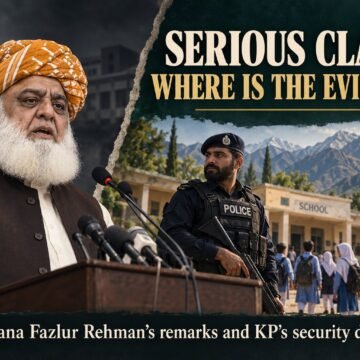
Claims that counterterrorism measures are intended to capture mineral resources carry serious consequences. Political leadership must support such accusations with evidence and explain how it proposes to protect communities facing terrorist violence.

خیبر پختونخوا میں کسی ماں سے پوچھیے کہ وہ صبح بچے کو اسکول بھیجتے ہوئے کیا سوچتی ہے۔ کسی پولیس والے کی بیوی سے پوچھیے کہ شوہر کی ڈیوٹی کے دوران فون کی ہر گھنٹی پر اس کا دل کیسے بیٹھتا ہے۔ کسی دکاندار سے پوچھیے کہ بھتے کی پرچی کا خوف کیا ہوتا ہے۔ ان سب کے پاس "معدنی ذخائر کی عالمی سازش" پر بحث کا وقت نہیں، ان کا مسئلہ ان کی جان و مال ہے۔

As counterterrorism operations continue to make progress, the circulation of outdated videos presented as recent incidents has emerged as a concerning form of misinformation. Such tactics are designed not to inform the public but to create fear, uncertainty, and distrust at a time when efforts to restore peace and stability remain crucial.
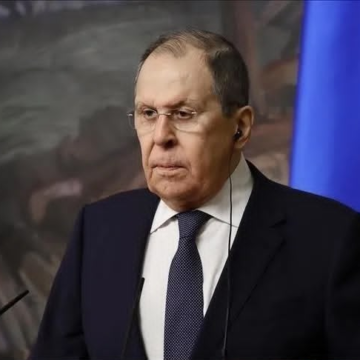
Moscow’s warning over militant strongholds, cross-border infiltration and extremist networks in Afghanistan raises a critical question for regional security: can neighbouring countries remain secure while transnational terrorist organisations continue to operate across their borders?
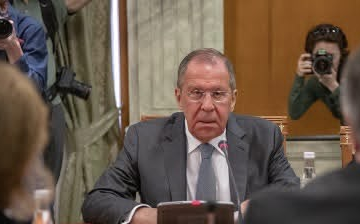
Russia has announced measures to strengthen Tajikistan’s border with Afghanistan through the provision of weapons, military equipment and technical border-protection systems, reflecting Moscow’s continued concerns over terrorist threats emanating from Afghan territory and their potential implications for regional security.

Pakistan-Afghanistan relations have entered a period of heightened uncertainty, shaped by cross-border terrorism, competing regional interests and growing diplomatic realignments.

خبرکدا ویب ڈیکس: بلوچستان کے ضلع کچھی میں قومی شاہراہ N-65 پر واقع ڈوسا کراس کے مقام پر پولیس چوکی اور اے پی سی (APC) پر کالعدم تنظیم (FAH BRG) کے 10 سے 12 دہشت گردوں کا بزدلانہ حملہ سیکیورٹی فورسز نے بروقت اور مؤثر کارروائی کرتے ہوئے ناکام بنا دیا۔ شدید فائرنگ کے تبادلے میں ایک دہشت گرد موقع پر ہی ہلاک جبکہ دو شدید زخمی ہو گئے۔
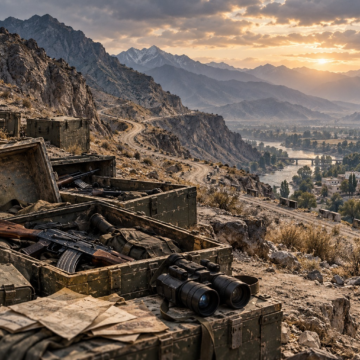
Weapons supplied to Afghanistan’s former security forces have reached militant networks threatening Pakistan. Their continued circulation, alongside access to sanctuary and logistical support, has made controlling these arms a pressing regional security responsibility.

Terrorism thrives on distorted ideologies, propaganda and the false promise that violence can achieve political or religious objectives. However, the history of militant movements demonstrates that organisational survival does not necessarily translate into strategic success, public legitimacy or the fulfilment of declared goals.
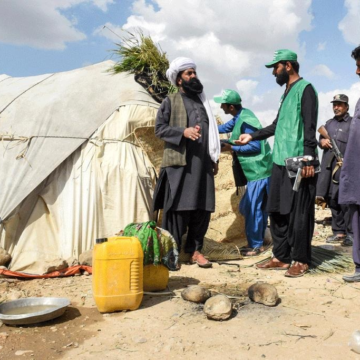
The Baloch Yakjehti Committee (BYC) has announced a so-called one-day social media campaign for October 15, portraying temporary relocation measures in Balochistan as an attempt to erase the Baloch population from its ancestral land.
عمر میڈیا کا کتابچہ ایک مغربی تحقیقی ادارے کے مطالعے سے مواد لے کر تیار کیا گیا ہے۔ یہ ایک بنیادی سوال اٹھاتا ہے: دین کے نام پر لڑنے اور اپنے نظریے کو آزاد قرار دینے والے اپنی بقا کے لیے مغربی تحقیق کا سہارا کیوں لے رہے ہیں؟

Noor Khan Bugti and his associates laid down their arms before Balochistan Chief Minister Mir Sarfraz Bugti during a ceremony in Sui and pledged allegiance to Pakistan.

Pakistan’s counterterrorism landscape is becoming increasingly complex, shaped by the resurgence of terrorist violence, cross-border security challenges, evolving recruitment methods and the wider implications of regional instability.

In the age of digital information warfare, television studios across the border have increasingly functioned as echo chambers for anti Pakistan propaganda rather than platforms for journalistic inquiry.