
Global power is shifting in ways few would have predicted a decade ago, and Islamabad just offered a compelling glimpse of where Pakistan fits into that new reality. Over two days of debate at the 7th Margalla Dialogue, thinkers and policymakers from around the world converged on a striking realization. Rather than being caught in the crossfire of global rivalries, Pakistan possesses the geographic reach, diplomatic agility, and emerging institutional momentum to act as a vital stabilizer in an uncertain era.
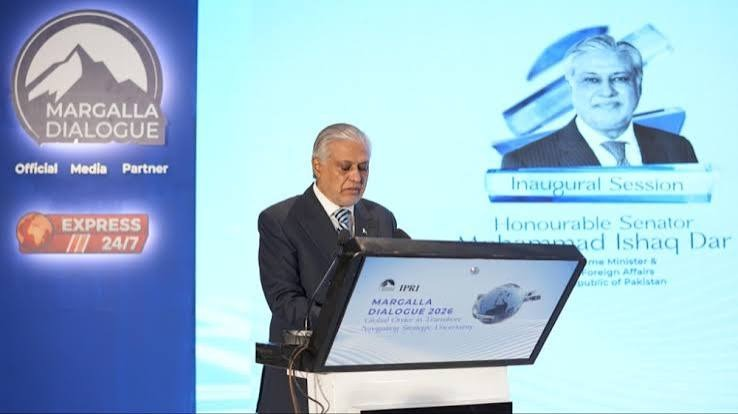
For years, outside observers viewed Pakistan’s external relationships as a complicated balancing act. Today, that very posture looks like a decisive strategic asset. Maintaining strong, working ties with both Beijing and Washington without being forced into an exclusive camp gives Islamabad rare room to maneuver. When global powers are locked in intense competition, nations capable of talking to every side become indispensable. Whether facilitating quiet channels between rival capitals or championing multilateral cooperation, Pakistan is demonstrating how smart, principled diplomacy turns geographic complexity into genuine influence.
That same advantage extends across its immediate neighborhood. Sitting at the natural intersection of South Asia, Central Asia, China, and the Gulf, Pakistan holds the physical keys to regional commerce and shared security. Deepening defense and economic partnerships with partners like Saudi Arabia and Türkiye, alongside established Eurasian trade corridors and coastal access, position the country as a natural bridge for energy, goods, and collective stability. As economic gravity steadily moves eastward and southward, connecting these regions is no longer just a theoretical ambition, but an urgent necessity that Pakistan is uniquely built to fulfill.
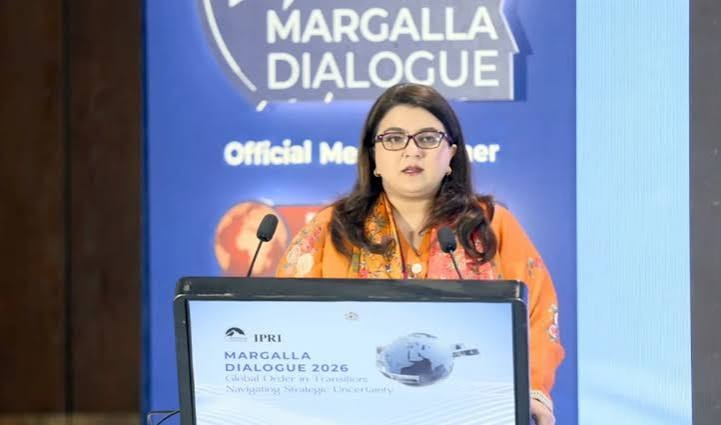
Lasting global relevance, however, always begins at home. True diplomatic weight requires domestic vitality, and the momentum toward modernizing the economy and embracing emerging technologies marks a crucial step forward. Committing serious capital to artificial intelligence, strengthening cyber defenses, and establishing clear data governance show an understanding that future power belongs to nations that innovate. Paired with structural economic reforms, institutional resilience, and a firm commitment to international law, these investments can transform a young, dynamic population into an engine of sustainable wealth.
The path ahead is clear. By pairing its proven talent for bridge building diplomacy with disciplined economic renewal and bold technological ambition, Pakistan has every opportunity to turn global transition into lasting national strength.