
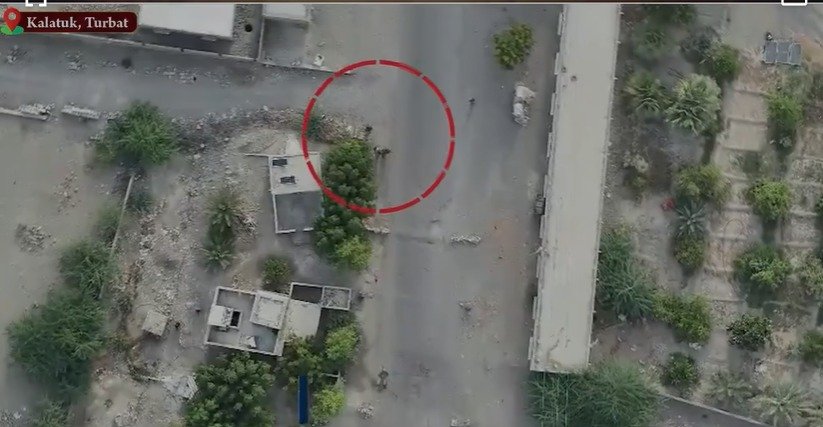
The recent operation in the Kalatak region of Kech, where security forces successfully foiled an attempted roadblock by Fitna-tul-Hindustan BLA terrorists, once again underscores the evolving nature of the security landscape in Balochistan. The swift neutralization of four terrorists not only prevented potential disruption but also highlighted the preparedness and vigilance of Pakistan’s security apparatus in the face of persistent threats.
Roadblocks, often used by terrorist groups to assert control, intimidate civilians, and disrupt economic activity, are not mere tactical maneuvers. They represent a broader strategy aimed at undermining the writ of the state and instilling fear among local populations. In this context, the timely response by security forces in Kalatak carries significance beyond the immediate success of the operation. It reflects a deeper institutional commitment to maintaining order, protecting citizens, and ensuring that development and daily life are not held hostage by violent actors.
Initial reports linking the eliminated terrorists to the recent abduction of seven innocent laborers further expose the brutal methods employed by such groups. Targeting unarmed civilians, particularly those engaged in livelihood activities, reveals the extent to which these elements operate outside any moral or political legitimacy. Their actions are not driven by genuine grievances but by a calculated intent to destabilize the region and derail progress.
Pakistan’s continued efforts against terrorism, as demonstrated in this operation, reinforce the state’s enduring commitment to safeguarding national security. Counterterrorism today is not limited to reactive measures but involves proactive intelligence-based operations designed to dismantle networks before they can execute larger plans. The Kalatak incident is a clear example of how improved coordination, intelligence gathering, and operational readiness are translating into tangible results on the ground.
Equally important is the broader message such operations send. They reaffirm that the state remains resolute in its responsibility to protect its citizens, particularly in regions like Balochistan that have long been targeted by hostile elements seeking to exploit vulnerabilities. The consistent neutralization of terrorist threats contributes to restoring public confidence and creating an environment where development initiatives can take root without fear.
While challenges persist, each successful operation strengthens the foundation of security and stability. Pakistan’s approach reflects not only a determination to confront terrorism but also a recognition that long-term peace requires sustained effort, resilience, and institutional coherence. The events in Kalatak are therefore not an isolated success but part of a larger continuum of actions aimed at securing the country’s future.
In essence, this incident stands as a testament to Pakistan’s ongoing endeavor to improve the security landscape and uphold the rule of law. It reinforces the message that acts of terrorism will be met with decisive response, and that the state remains firmly committed to ensuring peace, stability, and progress for all its citizens.