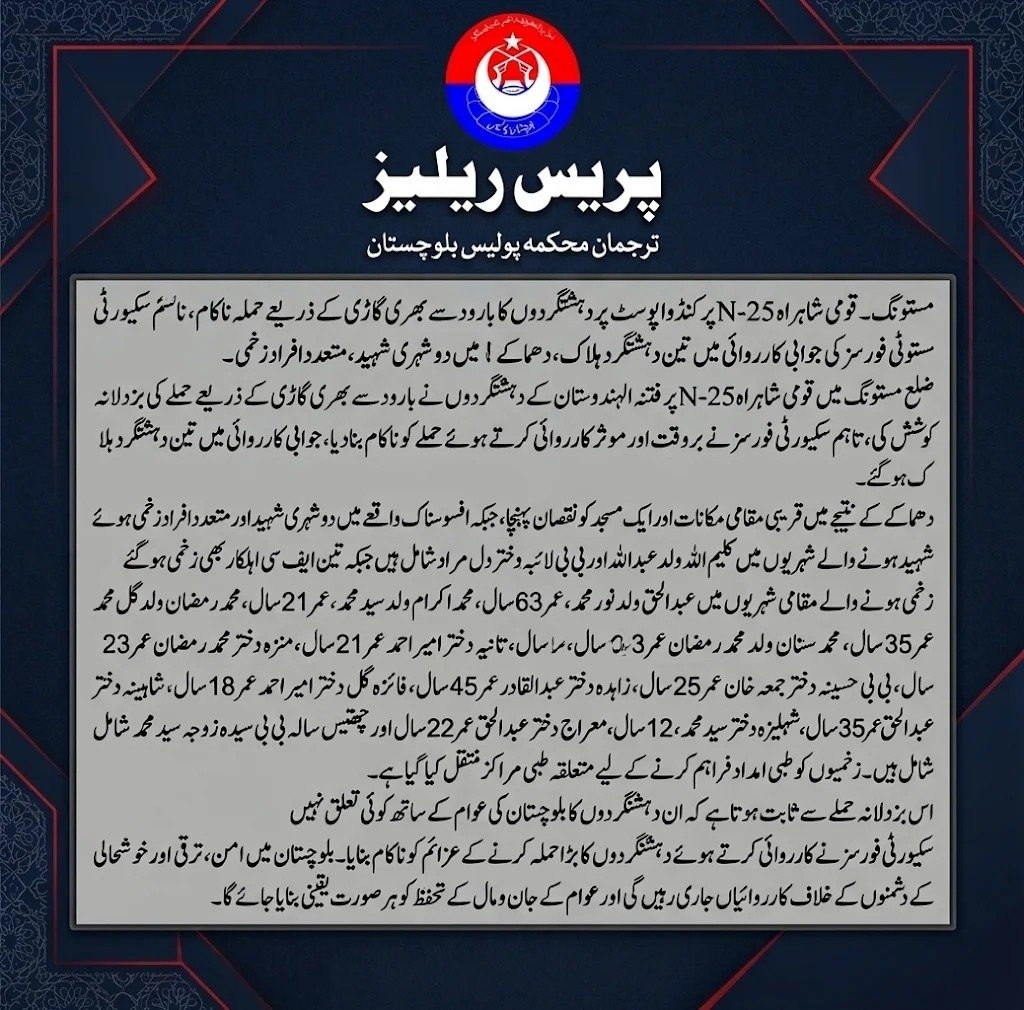
After four people were killed in Balicha, Tump, on September 25, BSO Azad began presenting them as innocent civilians who had gone to the mountains for a picnic. The claim quickly spread across social media, turning a counter-terrorism operation into a story of an alleged attack on civilians.
The reported security account presents a very different picture.
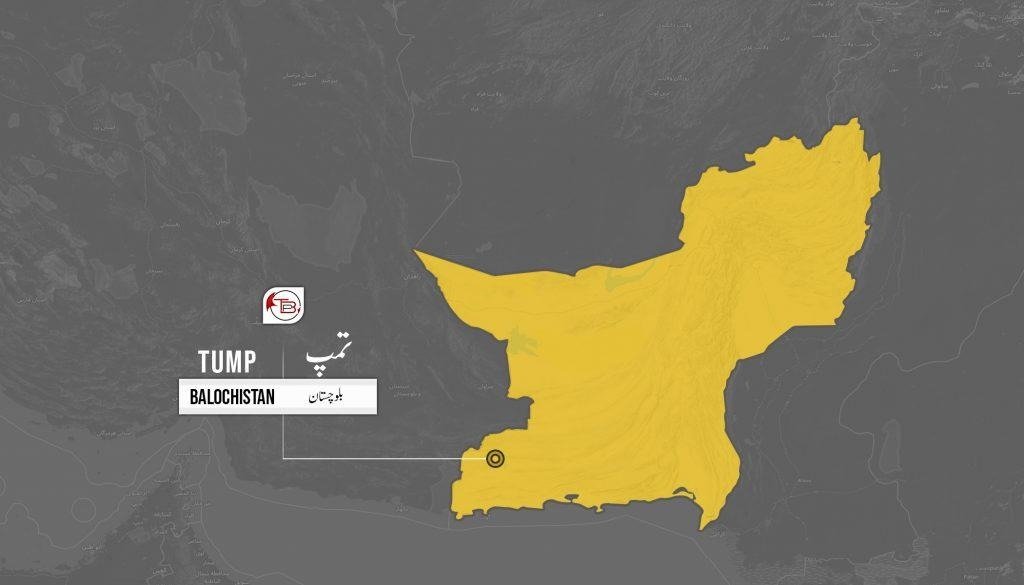
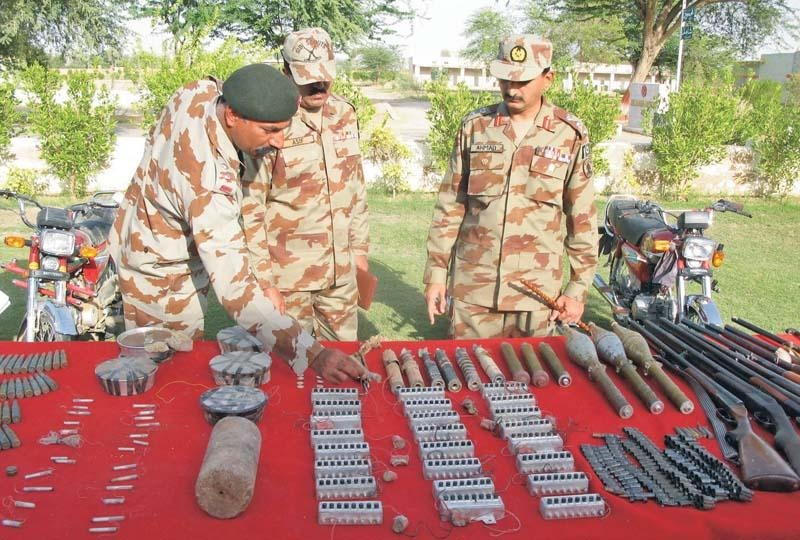
According to reports, security forces carried out a targeted intelligence-based operation in the Anjarkan Range of Tump against Fitna al-Hindustan-linked terrorists. Four terrorists were killed, two others were injured and taken into custody, while weapons, ammunition and other equipment were recovered from the site.
The weapons recovery is a crucial part of the incident. The question is simple: if those present were merely on a picnic, why were weapons and operational equipment reportedly found at the location? The answer cannot be established through social media claims alone. It requires evidence from the ground.
The Tump operation also needs to be viewed alongside other actions in the area. In a separate operation in nearby Mand, security forces reportedly killed another six terrorists and recovered additional weapons and ammunition. Across Balochistan, more than 70 terrorists were reported killed in intelligence-based operations during the same period.
These operations point to a wider security problem. Terrorist networks do not operate only through open attacks. They use remote areas to hide weapons, prepare IEDs, plan attacks and move personnel. Their activities ultimately affect ordinary residents by threatening roads, schools, businesses and daily movement.
This is where BSO Azad’s narrative requires closer scrutiny. Presenting the four deaths simply as the killing of innocent picnickers removes the security context and leaves out the reported recovery of weapons and equipment. A social-media post cannot determine whether those killed were civilians or members of a terrorist network.
BSO Azad’s own political history also deserves examination. Figures associated with Baloch separatist militancy, including Dr Allah Nazar and Bashir Zeb, have been linked by various accounts to the wider BSO ecosystem. That history makes it important to distinguish genuine concern for civilians from political messaging that serves a separatist narrative.
Every civilian death deserves proper investigation. At the same time, every casualty in a security operation cannot automatically be labelled a civilian victim simply because an activist platform says so.
The Tump incident should therefore be judged by evidence: the intelligence that led to the operation, the circumstances of the encounter and the weapons and equipment reportedly recovered from the site.
For local communities, real security comes from dismantling networks that plant IEDs, launch attacks and threaten everyday life. Changing the story after an operation does not remove that threat.