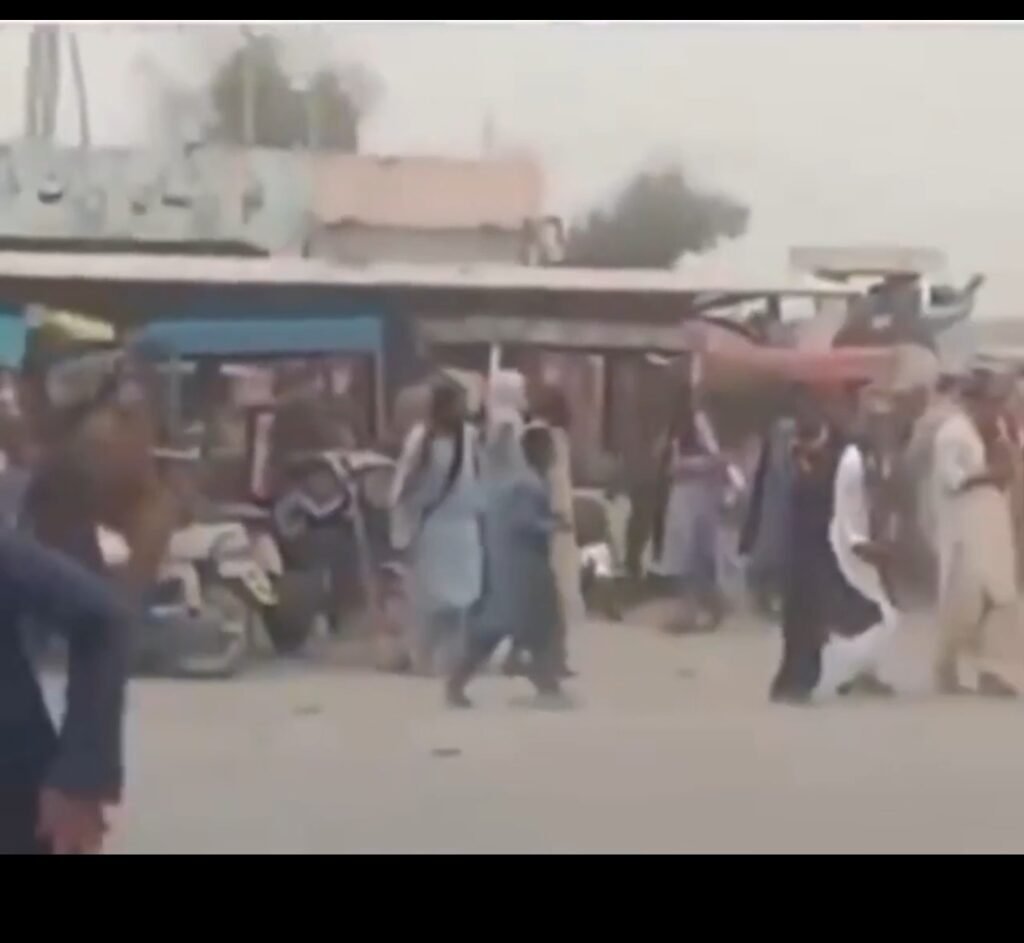
There is a predictable pattern of how the world perceives Balochistan. A verdict is announced, and within hours it is folded into a ready-made story of persecution before anyone has actually read the judgment. That is roughly what happened on 22nd June 2026, when Anti-Terrorist Court Quetta, presided over by Judge Muhammad Ali Mubeen, convicted Baloch Yakjehti Committee leader Dr Mahrang Baloch and her associate Sibghatullah under Section 302(b) read with Sections 147 and 148 of the Pakistan Penal Code, in connection with the death of Frontier Corps soldier Shabbir Ahmed Baloch during the Baloch Raaji Muchi gathering in Gwadar in July 2024. Both were sentenced to life imprisonment. Within a day, international commentary had already decided what the ruling meant, and almost none of it engaged with what the court actually found.
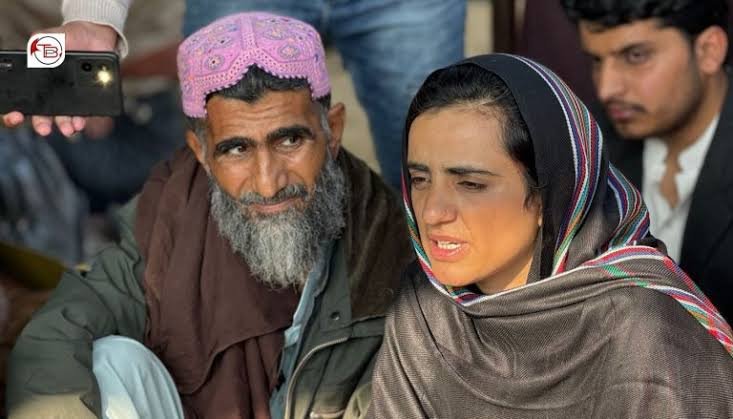
The most striking thing for any independent observer is not the verdict itself but the gap between how it was covered and how it actually proceeded. The court examined whether the accused shared common intention under the doctrine of unlawful assembly, whether they were present, whether they spoke, and whether their words and actions connected them to a killing. The judgment records that Mahrang addressed the crowd and the Shahjee was part of the group that moved on the FC official. Prosecutors say the mobilization was documented. The trial was later shifted from Gwadar to Quetta over security concerns, which is a fairly ordinary judicial safeguard.
It is worth remembering who else has a stake in this story. Shabbir Ahmed Baloch was a serving soldier, and his mother, Hasan Bano, said publicly that her son had been wronged and that she was grateful the state and the courts had stood with her family. That voice rarely makes it into the international coverage, yet it belongs there as much as any other.
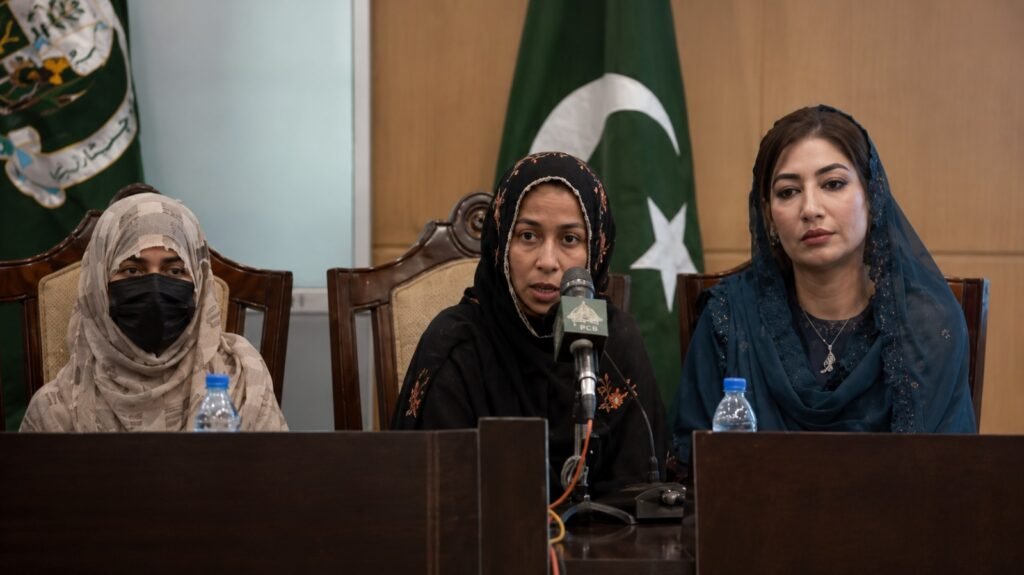
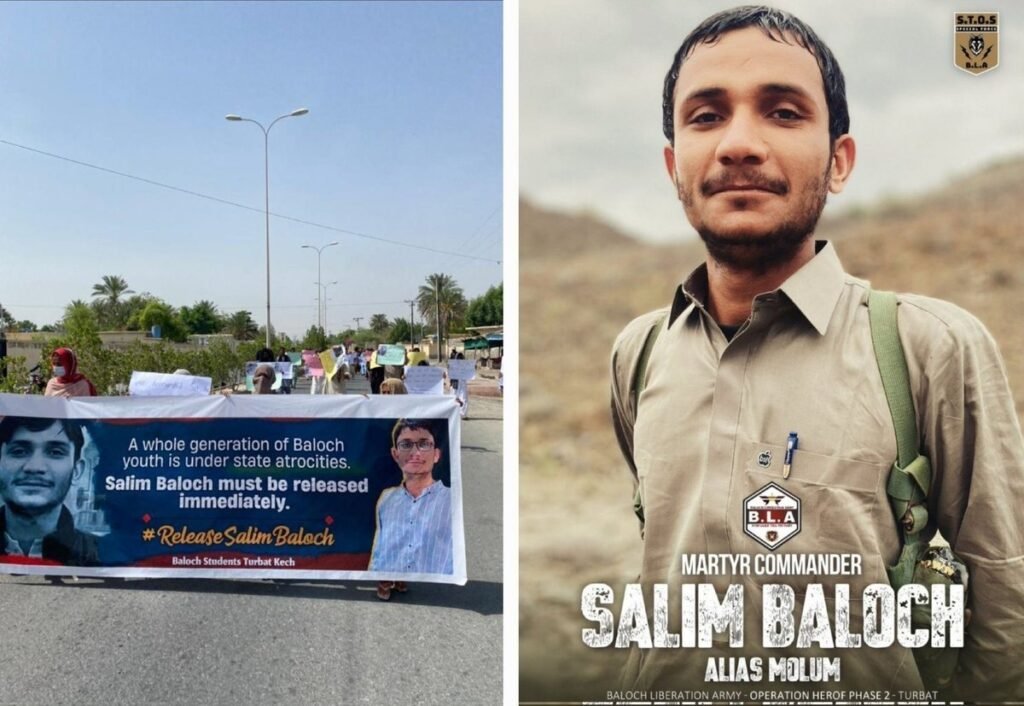
There is also a pattern that deserves more scrutiny than it gets. Adeeba Zaheer, a former BYC leader from Panjgur, held her own press conference distancing herself from the organization and describing its operations. She is not the only one. Names like Bilal Shahwani and Sohaib Baloch were once presented by BYC as missing persons, only to later surface in BLA terrorist camps, a detail that complicates the simple missing persons narrative that BYC has built much of its credibility on. It also explains why Pakistan keeps pushing for BLA’s listing under UNSC 1267, and why the UK, the US and Australia have already designated it a terrorist organization.
The UN’s own 37th Monitoring Team report this year noted that groups operating in this space now share training grounds and tactics with TTP and Al Qaeda linked networks.
Advocate Tania Bazai, an Islamabad High Court lawyer and Balochistan’s first internationally accredited mediator, has said publicly that BYC protests were rarely about schools, hospitals or roads, and that the organization has, on occasion, folded the bodies of slain terrorists into its protest imagery. Their link with BLA was exposed by themselves when they rushed to hospital to retrieve the bodies of BLA terrorists killed in Jaffar Express train hijack case in 2025.
None of this erases the seriousness of a life sentence, and none of it should. But it does explain why the Balochistan government, through Chief Minister Sarfraz Bugti and spokesman Shahid Rind, has insisted this was a murder case decided on evidence.
Balochistan is heading towards the right direction with huge financial developments with number of CPEC projects as well as Reko Diq. These projects have the potential to change the lives of millions of Baloch people. Balochistan needs strong counter terrorism mechanism which is based on a strong legal system. The test of Pakistan’s rule of law is not whether convicted persons are popular internationally. It is whether the courts exercise independent review, whether evidentiary standards are properly applied, and whether the accused receive a fair hearing on the merits. Solely pouring development budget in Balochistan won’t resolve its issues, it needs strong counterterrorism operatives which includes strong judicial system. That is why the security backdrop against which the Gwadar protest has to be read.
The principle at issue in Mahrang’s case is foundational. No individual’s public profile, international recognition, or advocacy credentials constitutes immunity from criminal liability under domestic law. Courts adjudicate cases on admissible evidence and applicable statute. But none of this means the case is closed. Mahrang’s sister and legal team have already said they will appeal to the Balochistan High Court, and from there the matter can still reach the Supreme Court. That is exactly how a functioning legal system is supposed to work, verdict, and review. Human rights recognition and international headlines were never meant to substitute for a criminal trial. If the appellate courts find fault with this judgment, Pakistan’s own system will correct it. Until then, the honest position is to let the law finish the sentence it started, rather than writing the ending in advance.