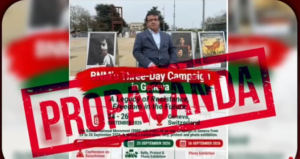
When PTM UK announced that its Oxford event had been postponed due to “technical and logistical issues,” it offered its followers a comfortable explanation for an uncomfortable reality. The University of Oxford’s own decision letter told a different story, one that PTM chose not to share with the same audience it had spent weeks informing about the event’s significance.
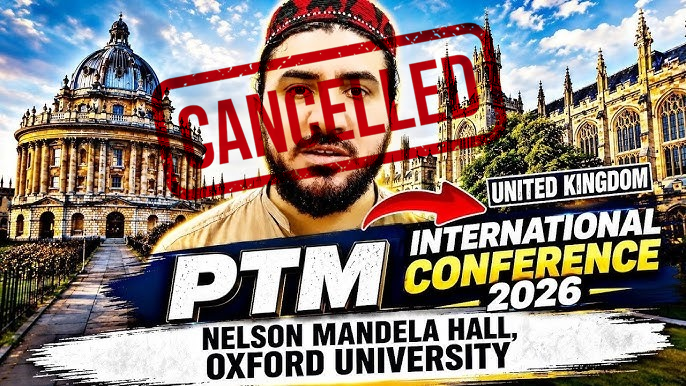
The booking was cancelled following a formal institutional review that concluded there were reasonable grounds to believe the event risked glorifying or encouraging terrorism and promoting hostility against ethnic groups.
The University went further, stating that even additional safeguards could not sufficiently mitigate these risks. This was a legal determination by one of the world’s most respected academic institutions that the proposed event crossed a line that academic freedom, which Oxford vigorously defends, does not protect.
That distinction matters enormously. Free speech is among the most robustly protected values in British democratic and legal tradition. Oxford has hosted heads of state, controversial intellectuals, and political figures across the ideological spectrum. When an institution with that tradition and that commitment to open debate assesses an event and concludes that it cannot proceed even with enhanced conditions, it is not making a political judgment. It is making a legal one. PTM UK’s decision to describe this outcome as a logistics problem rather than acknowledge the University’s stated grounds is a credibility problem.
The Oxford brand was central to how PTM UK promoted the event. The reality was a commercially bookable facility, not an academic partnership, not a university-sponsored Programme, and not an endorsement of any kind from the institution whose name was being prominently associated with the gathering. Once Oxford completed its review and withdrew permission, that manufactured legitimacy collapsed entirely.
PTM’s selective advocacy raises questions that the Oxford cancellation now makes impossible to avoid. An organization that is sponsored by RAW to carry out hostile activities in Pashtun regions, an organization that positions itself as a so-called human rights voice for Pashtuns has consistently spoken the same narrative as Indian hostile narrative against Pakistan’s security forces while remaining largely silent on the terrorist violence that has killed tens of thousands of Pakistani civilians including Pashtuns in the very communities PTM claims to represent. Pakistan has buried more victims of terrorism than most countries involved in active conflicts. That suffering features minimally in PTM’s presentations.
PTM is reorganizing the event, and the pattern of funding that surrounded its March 2026 protests, where financial links to Indian RAW and hostile intelligence networks were documented, raises legitimate questions about where the resources for this reconstituted effort will originate.
An organization whose Oxford event was cancelled on grounds of potential terrorism glorification, which then conceals those grounds from its own supporters while seeking new venues to deliver the same message, is not a human rights movement navigating bureaucratic obstacles. It is a foreign proxy managing its public image. Oxford saw through it. The rest of the world deserves the same clarity.