There is no political complexity in what happened in Mashkel. Unarmed laborers from Punjab, men who had travelled to Balochistan to earn an honest living, were hunted down and killed by Fitna Al Hindustan terrorists. Among them was a barber, a man whose profession exists in every culture on earth as a symbol of ordinary neighborhood life, of trust, of community. He was a man with scissors and a livelihood, murdered in cold blood by terrorists who chose him deliberately.
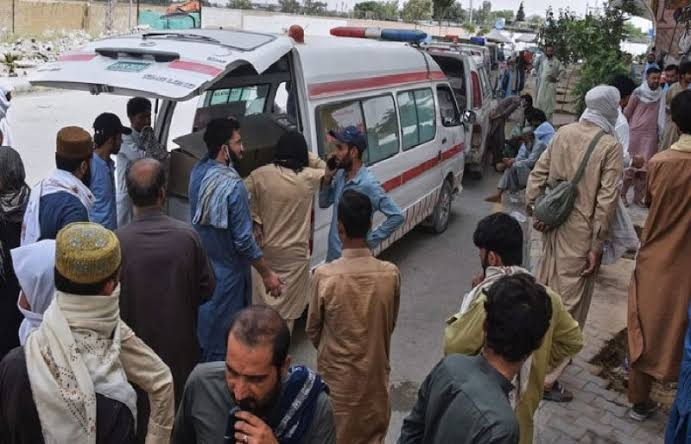
This was targeted killing based on ethnicity, designed to send a message to Punjabi workers across Balochistan that their presence in the province makes them targets.
The objective is transparent to anyone willing to read it honestly: inflame ethnic division, fracture Pakistan’s internal cohesion, and replace the Baloch tradition of mehmaan nawazi, the sacred obligation of hospitality and protection extended to guests, with fear and mutual suspicion.
In attacking these laborers, the terrorists did not only violate Pakistani law. They violated the deepest cultural codes of the very people in whose name they claim to fight.
The Baloch tradition of extending protection to guests is not a rhetorical flourish. It is a foundational social compact that Baloch communities have upheld across centuries of hardship. A guest on Baloch soil carries the honor of his host. To murder a guest is among the gravest violations a Baloch cultural framework recognizes. The FAH terrorists who killed these laborers in Mashkel did not act in any Baloch tradition. They desecrated one.
Now consider the silence.
The Baloch Yakjehti Committee, which mobilizes within hours of any allegation against the state, has said nothing. The international advocacy networks that circulate missing persons cases to UN special rapporteurs within days of their occurrence have not found the murdered barber and his fellow laborers worth a single coordinated campaign.
There are no hashtags for them. No candlelight vigils. No press conferences.
This silence is not neutral. It is a political position, and it is worth stating precisely what that position reveals. When a human rights organization responds to allegations against security forces within hours and responds to the murder of unarmed civilian laborers with silence, it has disclosed the actual principle organizing its advocacy: not human rights, but a selective politics of grievance that treats some victims as worthy of outrage and others as inconvenient for the narrative.
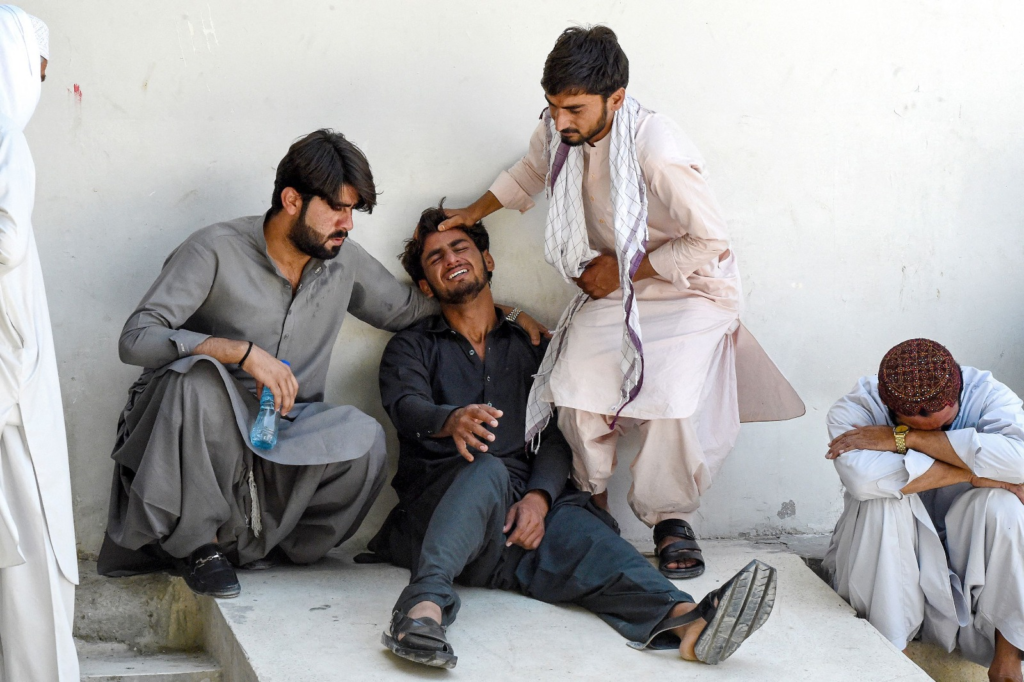
Every laborer who travels from Punjab to work in Balochistan is doing what Pakistan’s constitutional framework promises he has the right to do: move freely within his own country, earn a living, contribute to a local economy, and return home safely. The terrorism that murdered these men in Mashkel is not only a crime against the victims and their families. It is a direct assault on the idea of Pakistan as a country where a man from Lahore and a man from Turbat share a nation and not just a border.
Balochistan’s future cannot be built on the graves of laborers sacrificed to ethnic terror. The organizations that remained silent this week must be asked directly and publicly: whose human rights are you actually defending? The answer, visible in what they said and what they did not, is no longer ambiguous.