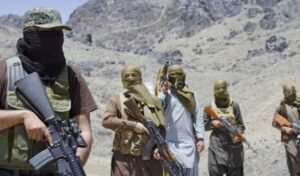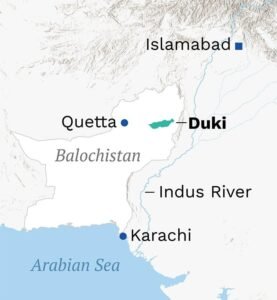
On 22 July 2026, Fitna Al Hindustan (FAH) Baloch Liberation Army (BLA) terrorists destroyed a bridge on the N-25 National Highway near Anjeeri Cross in Khad Kocha, Mastung, forcing authorities to suspend traffic on the Quetta Karachi Highway and divert vehicles through alternate routes.
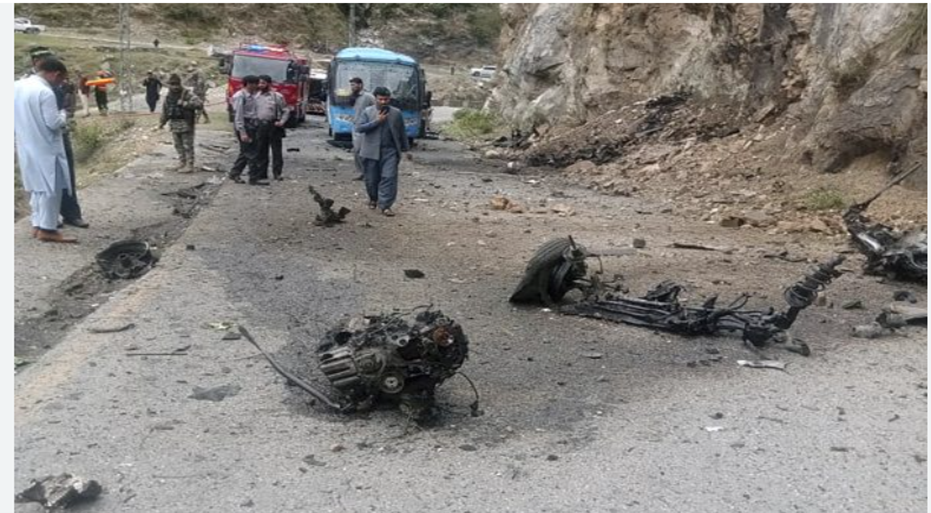
The explosion, which occurred shortly after armed assailants attacked a Karachi-bound passenger bus in the same area, completely destroyed the bridge and marked the fifth such structure targeted in the locality. The attack disrupted one of Balochistan’s most important transportation corridors, affecting civilian movement and commercial traffic between Quetta and Karachi.
The attack forms part of a broader pattern of terrorist violence directed against public infrastructure across Balochistan. Rather than focusing solely on security targets, terrorist organizations operating in the province have increasingly targeted highways, bridges, railway lines, and communication networks to maximise disruption. Transport infrastructure has become a strategic target because a single attack can interrupt civilian mobility, disrupt trade, delay essential services, and generate economic consequences that extend far beyond the immediate site of the explosion.
The Baloch Liberation Army (BLA), a terrorist organization, has repeatedly targeted transportation infrastructure to disrupt connectivity across the province. The Mastung attack followed earlier attacks on strategic transport links, including the destruction of the historic Bolan railway bridge, which suspended rail connectivity between Quetta and the rest of the country for weeks, and the bombing of another bridge near Dera Murad Jamali in Nasirabad district by the Baloch Republican Guards (BRG), another Baloch terrorist organization. Together, these incidents demonstrate a sustained strategy of targeting infrastructure that supports civilian movement, trade, and regional connectivity.
The strategic importance of the N-25 explains why it remains a recurring target. Stretching from Karachi through Quetta to Chaman, it serves as Balochistan’s principal north-south corridor, carrying agricultural produce, livestock, minerals, fuel, medicines, and consumer goods while connecting remote districts with hospitals, educational institutions, government offices, and regional markets. Any disruption along this route affects supply chains across the province, delays the movement of essential commodities, increases transportation costs, and slows commercial activity between Balochistan and the rest of the country.
The economic impact of these attacks becomes visible almost immediately. Highway closures leave freight vehicles and passenger buses stranded, delay the delivery of perishable goods, interrupt commercial activity, and increase logistics costs for businesses and transport operators.
The destruction of the Bolan railway bridge similarly suspended the Jaffar Express and Bolan Mail, forcing thousands of passengers to rely on road transport while Pakistan Railways reported losses of nearly Rs40 million during the disruption. These incidents demonstrate that attacks on transport infrastructure inflict economic costs that extend well beyond the immediate site of violence.
The humanitarian consequences are equally significant. In many parts of Balochistan, alternative routes are limited or considerably longer, making damaged bridges more than an engineering challenge. Delayed emergency medical referrals, interrupted humanitarian assistance, prolonged travel times, and restricted access to schools and healthcare directly affect communities that already face geographic isolation. The burden falls disproportionately on ordinary citizens whose daily lives depend on safe and reliable transport networks.
The repeated targeting of transport infrastructure constitutes economic sabotage. Roads, bridges, and railway networks are public assets that sustain commerce, connect communities, and enable the delivery of essential services. Their destruction weakens regional connectivity, discourages investment, disrupts livelihoods, and slows long-term development. The attack in Mastung reinforces a broader reality.
Terrorism in Balochistan is directed not only against lives but also against the infrastructure that underpins economic resilience, public welfare, and the province’s long-term future. Protecting these strategic assets is therefore essential to preserving connectivity, sustaining economic growth, and securing lasting stability across the province.