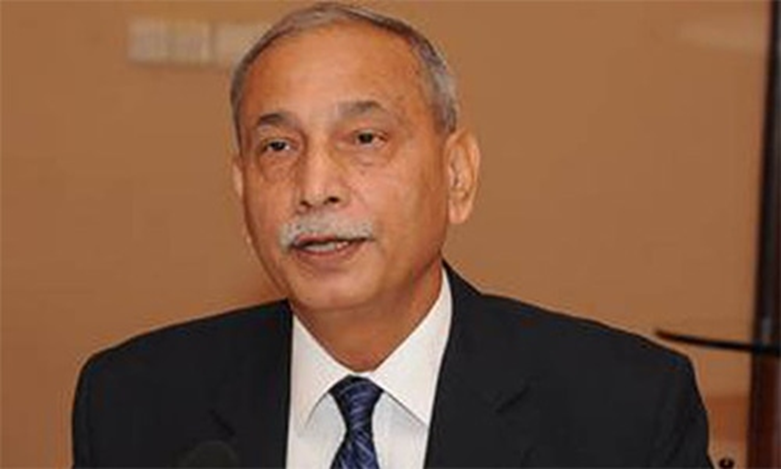
Tariq Khosa’s article in Dawn carries the credibility that comes with genuine field experience. As a former IGP of Balochistan who served across the province’s most challenging districts and later as IG during the turbulent 2007 period, he writes from institutional memory that most commentators lack. His core argument, that Balochistan’s experienced police chief needs full government backing in resources, personnel, and equipment, and that a two-pronged strategy combining security operations with genuine political engagement is necessary, is sound and deserves serious policy attention.
His documentation of July’s violence is sobering: 27 policemen killed at Mangi Dam after fighting ammunition-deficient against a large attacking force, FC casualties in Mastung, the Bela-Winder ambush by BLA’s Majeed Brigade, and the assassination of Sessions Judge Abdul Hakim Kakar and his guard. His question about why the pumping station recently transferred from defunct Levies was not being jointly manned by FC and police given existing threat alerts is a legitimate accountability question that demands an institutional answer.
Where Khosa’s analysis requires pushback is in its framing of the political path. The article describes “male and female Baloch activists convicted under draconian laws” as evidence of state overreach. But this framing omits the judicial record that makes such characterizations inaccurate. The conviction of Dr. Mahrang Baloch and Sibghatullah Shahjee was not a political decree. It was delivered by a competent Anti-Terrorism Court after proceedings in which the prosecution established through evidence that their conduct at the July 28, 2024 Gwadar gathering contributed to the death of FC Sepoy Shabbir Ahmed, a young Pakistani soldier killed when a mob charged at his vehicle after inflammatory speeches at the assembly.
Khosa is correct that “no matter how many we arrest or kill; their numbers are increasing exponentially” and that good governance and political dialogue are necessary complements to security operations. The BSDI’s 271 development projects, Balochistan’s growing NFC allocation, and the Chamalang education Programme all reflect a state that is attempting the development dimension. The political dialogue dimension, conducted without preconditions that amount to impunity for those convicted of serious crimes, is genuinely needed.
The healing Khosa calls for must include honest acknowledgment of what produced the wound. Fitna al-Hindustan and Fitna al-Khawarij are externally funded, ideologically distinct, operationally coordinated networks whose leadership sits abroad directing violence against Baloch civilians and Pakistani security personnel alike. That reality does not disappear through reconciliation commissions alone. Khosa’s prescription needs the security foundation he also endorses before the healing can take root.