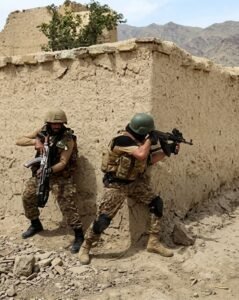
The latest report by the United Nations Assistance Mission in Afghanistan (UNAMA) on cross-border violence has reignited debate over how the international community assesses conflict along the Pakistan-Afghanistan border.
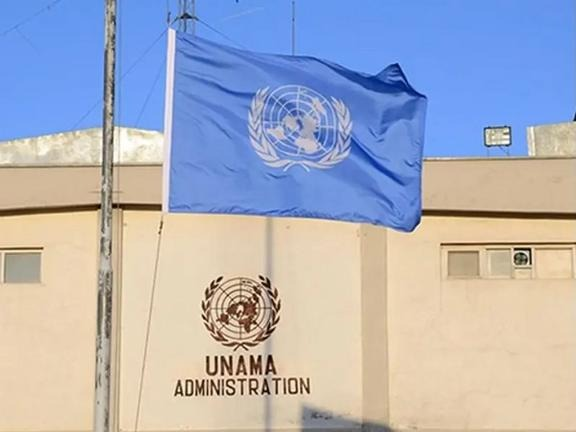
While the report documents civilian casualties allegedly resulting from Pakistani military operations in Kunar, Paktia and Paktika during April-June 2026, it gives comparatively limited attention to the broader security environment that preceded those operations. By concentrating primarily on the humanitarian consequences of Pakistan’s military response, the report leaves a significant analytical gap: the persistent cross-border terrorist threat originating from Afghan territory.
This is not a question of whether civilian casualties deserve investigation. They unquestionably do. Human rights reporting plays a vital role in promoting accountability, and every allegation of civilian harm merits impartial examination.
Yet credible conflict analysis requires more than documenting the consequences of military action. It must also explain the circumstances that prompted the use of force by examining the conduct of armed non-state actors, the operational environment and the responsibilities of territorial authorities to prevent their territory from being used for cross-border violence.
Without that context, assessments risk presenting only part of the conflict’s reality.
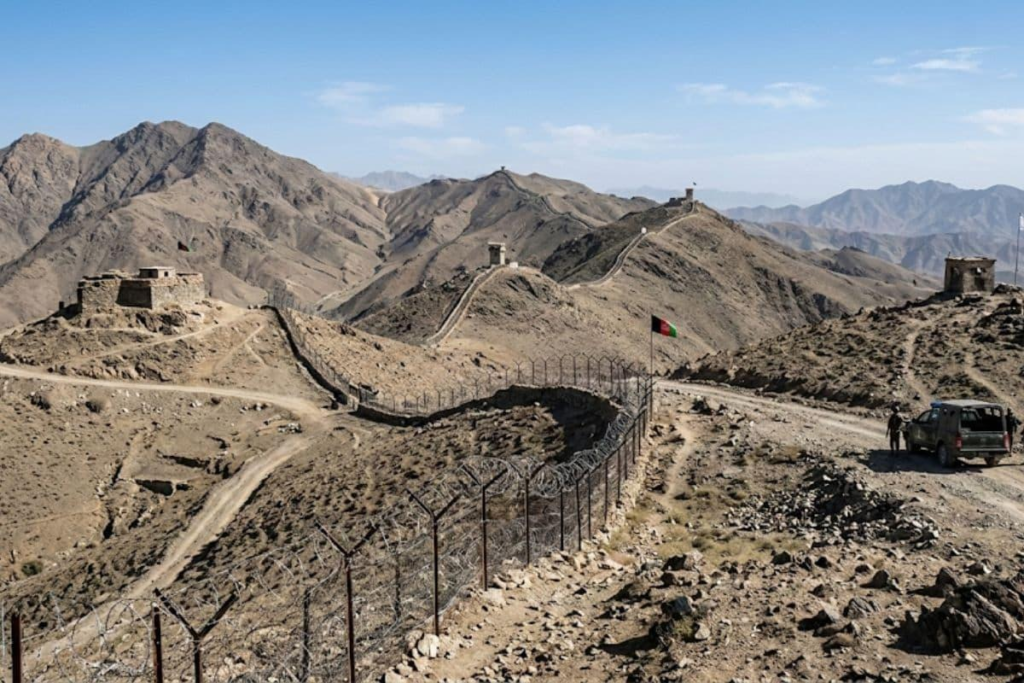
The broader security environment is central to understanding Pakistan’s operations. The Pakistan-Afghanistan border has long been affected by the continued presence of the Tehrik-i-Taliban Pakistan (TTP), the Balochistan Liberation Army (BLA) and affiliated terrorist organisations operating from Afghan territory.
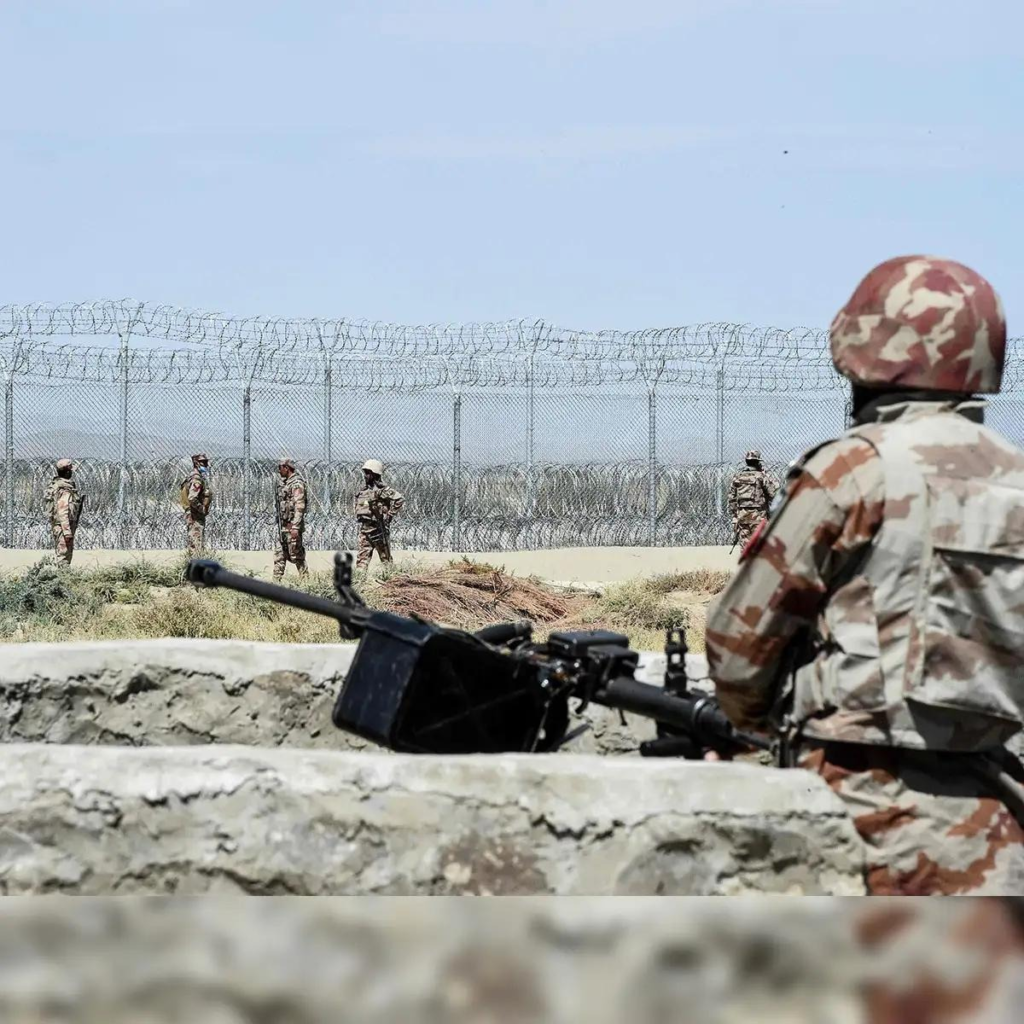
Pakistan maintains that these groups have benefited from permissive conditions inside Afghanistan, while successive United Nations Security Council Monitoring Team reports have documented TTP’s continued operational capability and presence there. According to Pakistani authorities, cross-border attacks by these organisations have killed more than 900 people and injured over 1,500 others in recent years.
It was against this backdrop that Pakistan launched Operation Ghazab Lil Haq in February 2026 against identified terrorist camps, command facilities, training centres and logistical infrastructure.
During the period covered by UNAMA’s report, terrorist attacks in Peshawar, North Waziristan and Bannu reinforced Islamabad’s assessment that the threat remained active, prompting intelligence-based strikes against facilities reportedly linked to senior TTP commanders Aleem Khan Khushali and Akhtar Muhammad Janikhel.
Official investigations into the 27 June 2026 Karachi terrorist attack likewise concluded that three of the four attackers were Afghan nationals and that the operation had been planned by terrorist operatives based in Afghanistan.
If terrorist attacks inside Pakistan continue to be planned, facilitated or coordinated from across the border, then cross-border military operations cannot be evaluated solely through the humanitarian consequences they produce; they must also be assessed within the security environment that prompted them.
The strongest challenge to UNAMA’s analysis comes from within the United Nations system itself.
Successive reports of the United Nations Security Council’s Analytical Support and Sanctions Monitoring Team have consistently identified TTP as one of the largest designated terrorist organisations operating from Afghanistan and documented its access to safe havens, recruitment opportunities and operational infrastructure following the Taliban’s return to power.
These findings provide internationally recognised evidence that cross-border terrorist networks remain an established feature of the regional security landscape. Yet UNAMA’s assessment devotes comparatively little attention to how those same networks shaped the security environment preceding Pakistan’s military operations.
This institutional divergence does not diminish the importance of documenting civilian harm; rather, it suggests that a comprehensive assessment should incorporate the full range of findings already produced within the UN system.
The report also gives comparatively limited attention to the broader legal framework governing cross-border counterterrorism operations.
International law imposes dual obligations: protecting civilians during military operations while preventing national territory from being used to launch attacks against neighbouring states.
State practice since the attacks of 11 September 2001 has increasingly reflected acceptance that self-defence may extend to attacks by non-state actors, although the precise legal standard remains contested.
A balanced legal assessment should therefore engage with both international humanitarian law and the evolving jurisprudence on self-defence rather than emphasising one while giving comparatively limited consideration to the other.
None of this diminishes the importance of investigating allegations of civilian casualties. Civilian protection and counterterrorism are complementary rather than competing objectives.
Reports intended to inform international policy should therefore evaluate the conduct of all relevant actors, including designated terrorist organisations whose actions generate the security conditions that place civilians at risk.
Ultimately, the principal weakness of UNAMA’s report is not that it documents civilian harm, but that it examines the consequences of military action more comprehensively than the circumstances that necessitated it.
A genuinely balanced assessment of cross-border violence must give equal analytical weight to civilian protection, the documented presence of terrorist infrastructure, the responsibilities of territorial authorities and the legal framework governing counterterrorism operations.
Human rights reporting derives its credibility not only from documenting the consequences of force but also from accurately explaining the security environment that made force a reality. Without both dimensions, the narrative remains incomplete.