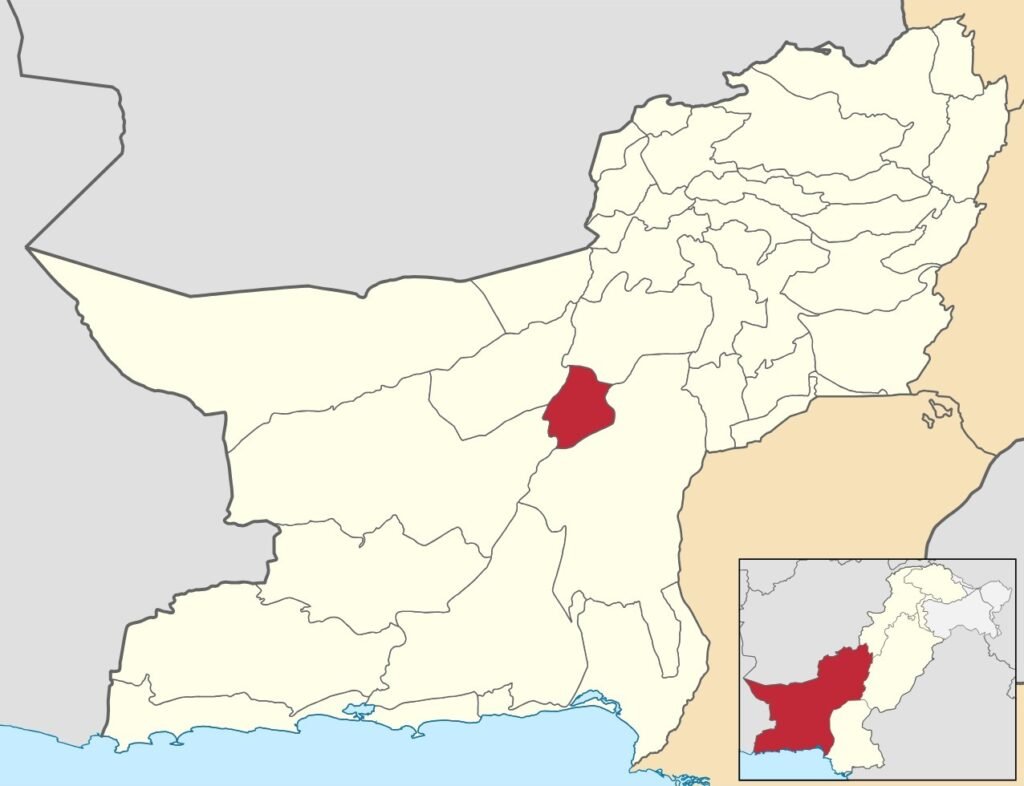
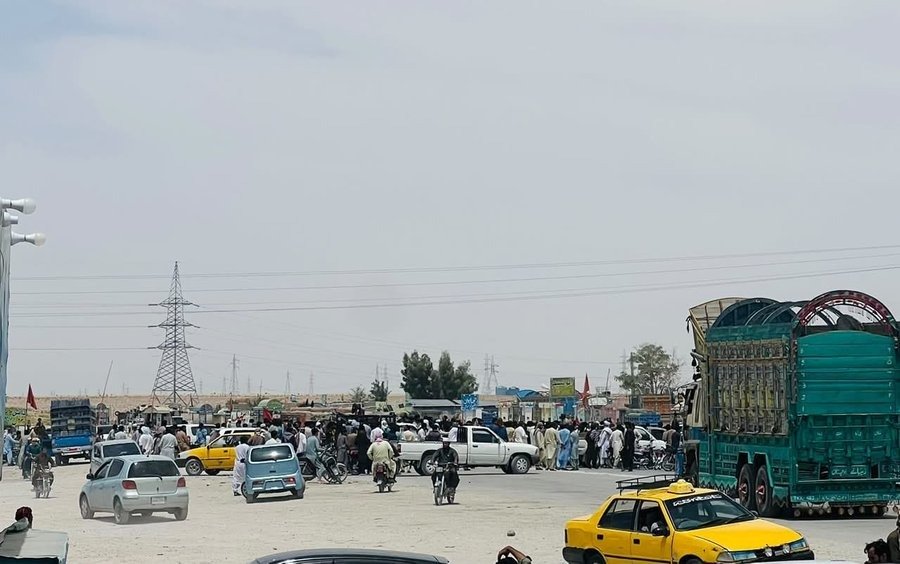
The events of 12 August 2026 in Surab, Balochistan, deserve not to be read through the distorted lens that groups like the BLA and BYC are already trying to construct online. What happened was straightforward. A Vehicle Borne Improvised Explosive Device, under preparation by terrorists affiliated with Fitna al Hindustan, detonated prematurely. Eight terrorists were killed instantly, with several more injured, along with the tragic loss of three nearby civilians whose lives were endangered simply because these barbaric terrorists chose to store explosives in a populated area. That single fact tells us everything about how these networks operate. They do not fight wars. They plant death in the middle of ordinary neighborhoods.
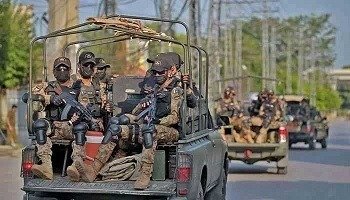
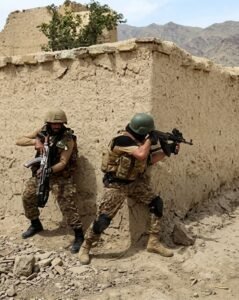
What followed was a textbook demonstration of professional response. Security forces and Balochistan Police moved quickly, launched a joint clearance operation, and neutralized ten more fleeing terrorists in the exchange that followed. Eighteen terrorists eliminated in a single coordinated sequence is not a small number, and it did not come without cost. Two soldiers were injured in the fighting, a reminder that every operation against these networks carries real human risk for the men who wear the uniform.
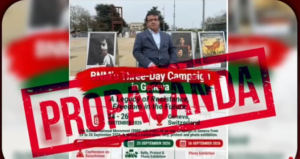
It is here that the propaganda machinery becomes visible. Almost immediately after such an incident, accounts linked to BLA and BYC begin circulating propaganda versions, inflating casualty figures, blaming security forces, and framing their own failure which by the way will take the lives of hundreds of Baloch. Neutralizing the VBIED factory and killing the terrorists were much needed incidents. It is a coordinated attempt to convert battlefield failure into public sympathy, and it fits a broader pattern that many analysts have flagged for years, a hybrid warfare campaign in which external actors, particularly Indian sponsored networks, work to destabilize Pakistan internally precisely because of its growing regional weight and its ties across the Muslim world.
Azm e Istehkam, approved under the National Action Plan framework, exists precisely to close that gap between counter terrorism operations and the broader political and developmental effort needed to stabilize the province long term.
The sanitization operations continuing in Surab. They represent an ongoing effort to dismantle the facilitation networks that make attacks like this possible in the first place. Citizens owe it to the facts to resist the temptation of easy outrage manufactured by parties with clear incentives to mislead Pakistanis for their Indian masters. Standing with the state’s counter terrorism effort is not blind loyalty. It is simply what the evidence supports, if read with honesty.