Somewhere in Balochistan right now, a child is sitting in a classroom that, two years ago, was just a locked building with broken windows and a name on a government register nobody bothered to check. That is not a small detail. It is the whole story, really, told through one building instead of thousands.
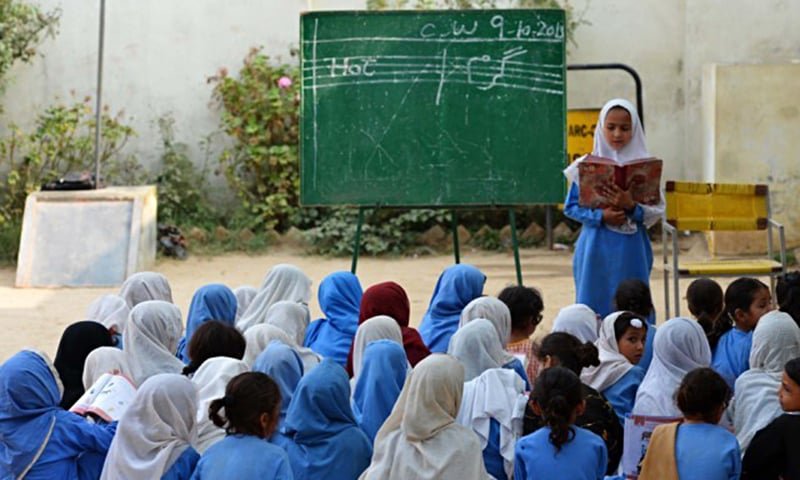
The numbers coming out of the province’s education push are the kind that are easy to skim past in a headline and hard to actually sit with. Over 3,800 schools that had gone dark, some as ghost schools that existed only on paper, some simply abandoned, have been reopened. More than 2,000 entirely new ones have been built alongside them. Put together, that expansion has pulled 768,000 out-of-school children back into classrooms. That is not a rounding error in a policy report. That is nearly three quarters of a million children who, a short while ago, had no first day of school ahead of them, and now do.
What makes this feel less like a press release and more like an actual shift is what came with the buildings. Reopening a school and stopping there is a photo opportunity.
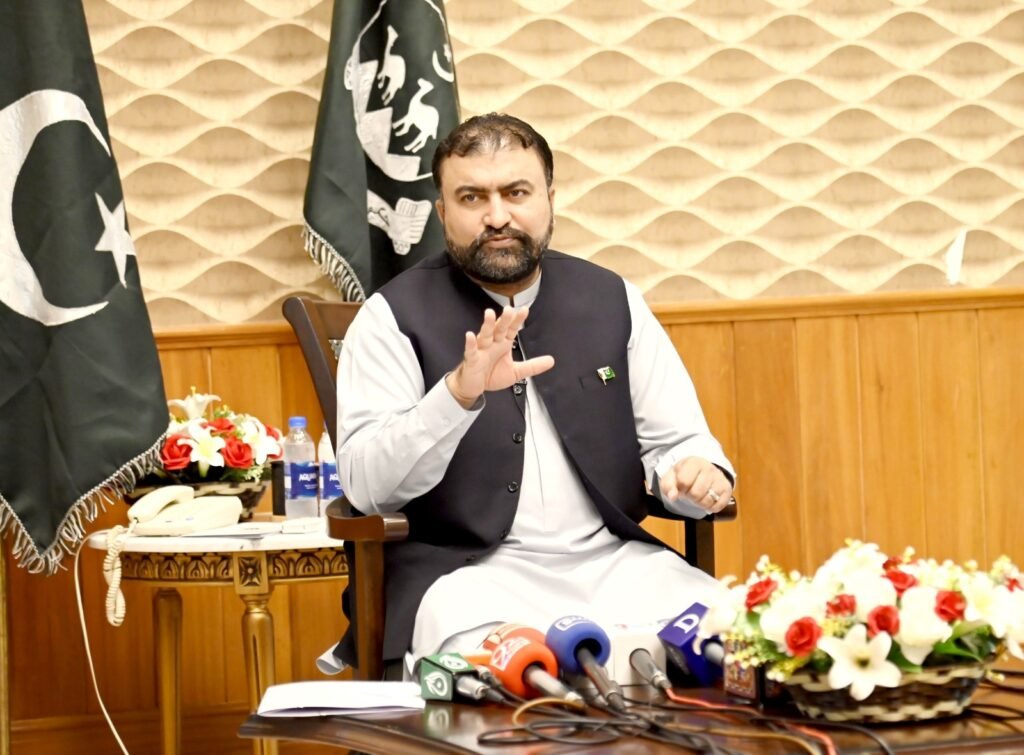
Balochistan’s government instead hired over 15,000 teachers through a recruitment process built to be merit based and transparent, which matters enormously in a province where “ghost teachers” on a payroll have historically been almost as common as ghost schools themselves. A building without a qualified teacher standing in front of it is not an education. It is furniture.
Then there is the money question, the one that quietly ends more childhoods in school than any single crisis does. Families in Balochistan have for years pulled children, especially daughters, out of school not because they didn’t value learning but because they simply couldn’t afford to keep going. The Balochistan Education Endowment Fund’s distribution of 23,520 scholarships to bright, underprivileged students is a direct answer to that specific problem, the unglamorous one where a stipend, not a slogan, decides whether a ten-year-old finishes fifth grade.
None of this fixes Balochistan’s education crisis outright. A province with this much historical ground to make up doesn’t turn around in two years, and out-of-school numbers in Pakistan overall remain among the highest in the world. But there is a difference between a government announcing good intentions and a government that can point to 3,800 specific buildings, 15,000 specific hires, and 23,520 specific names on a scholarship list. That is the kind of proof that is harder to dismiss as noise.
Every one of those 768,000 children now sitting in a classroom instead of standing outside one represents a small bet against everything that tries to keep Balochistan’s children away from school, whether that is poverty, distance, or the deliberate targeting of education by militant groups. It is a bet worth watching closely, and worth holding this government to, two years from now, five years from now, for as long as it takes.