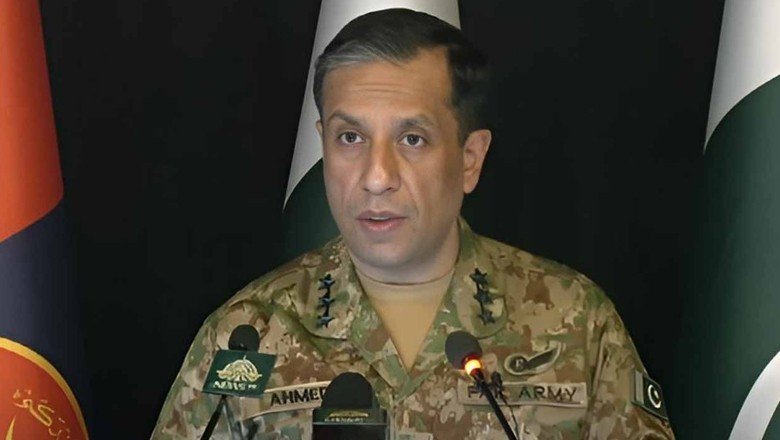
When DG ISPR Lieutenant General Ahmed Sharif Chaudhry told Al Arabiya that Balochistan is facing terrorism rather than an insurgency, the remark was easy to file away as rhetorical housekeeping, the kind of clarification militaries routinely offer without much consequence. It deserves closer reading than that. The choice of word here is not a stylistic preference; it is a deliberate reframing exercise, and the distinction carries real weight in how the conflict is understood, negotiated with, and responded to, both at home and abroad.
Insurgency and terrorism are not interchangeable labels. An insurgency, in the vocabulary of conflict studies and international diplomacy, implies an organized political movement, one that at least in principle can be engaged, negotiated with, or accommodated through political settlement. Terrorism carries no such implication. It describes violence that operates outside legitimate politics altogether, answerable only to security and legal instruments, and closed to the idea of a negotiating table. By insisting on the latter term, Islamabad is not merely describing a security situation; it is defining, for domestic and international audiences alike, what kind of response is appropriate and what kind of legitimacy the Fitna Al Hindustan are entitled to claim.
That distinction matters most where it intersects with narrative competition. Groups like the BLA have long tried to present their campaign to international observers, rights bodies, and diaspora audiences as a struggle for self-determination. The terrorism designation denies that borrowed legitimacy outright. It is reinforced, by DG ISPR’s reference to UN reporting on terrorist organizations operating from Afghan soil: the message is not simply that violence is occurring, but that it is externally enabled, network-based, and criminal in character rather than a home-grown political uprising demanding accommodation.
It is very much clear to the international audience that Afghanistan has become a safe haven for terrorism. Pakistan multiple times expressed their concerns to Afghan de facto government that has been sustaining terrorism. Now Pakistan holds grounds to press Kabul and the wider international community for cooperation, since sanctuary and cross-border facilitation are treated as violations requiring redress. The DG ISPR’s parallel emphasis on balanced relations with Washington and Tehran fits the same logic. Pakistan is positioning itself for external partners as the party managing a shared security threat, not the subject of a governance crisis inviting scrutiny of how that threat is being managed.