A false claim can cross Pakistan in minutes. A misleading video, an old photograph or an invented quotation can appear on hundreds of phones before a newspaper has published a correction. In that race, social media has a special importance: it can spread misinformation, but it can also expose it.
The question is not whether Pakistan should use social media to counter fake news. It already has a central role in how people learn about events. The question is whether we use it to replace rumours with evidence, and whether people trust the information they receive.
Speed can spread the truth, too
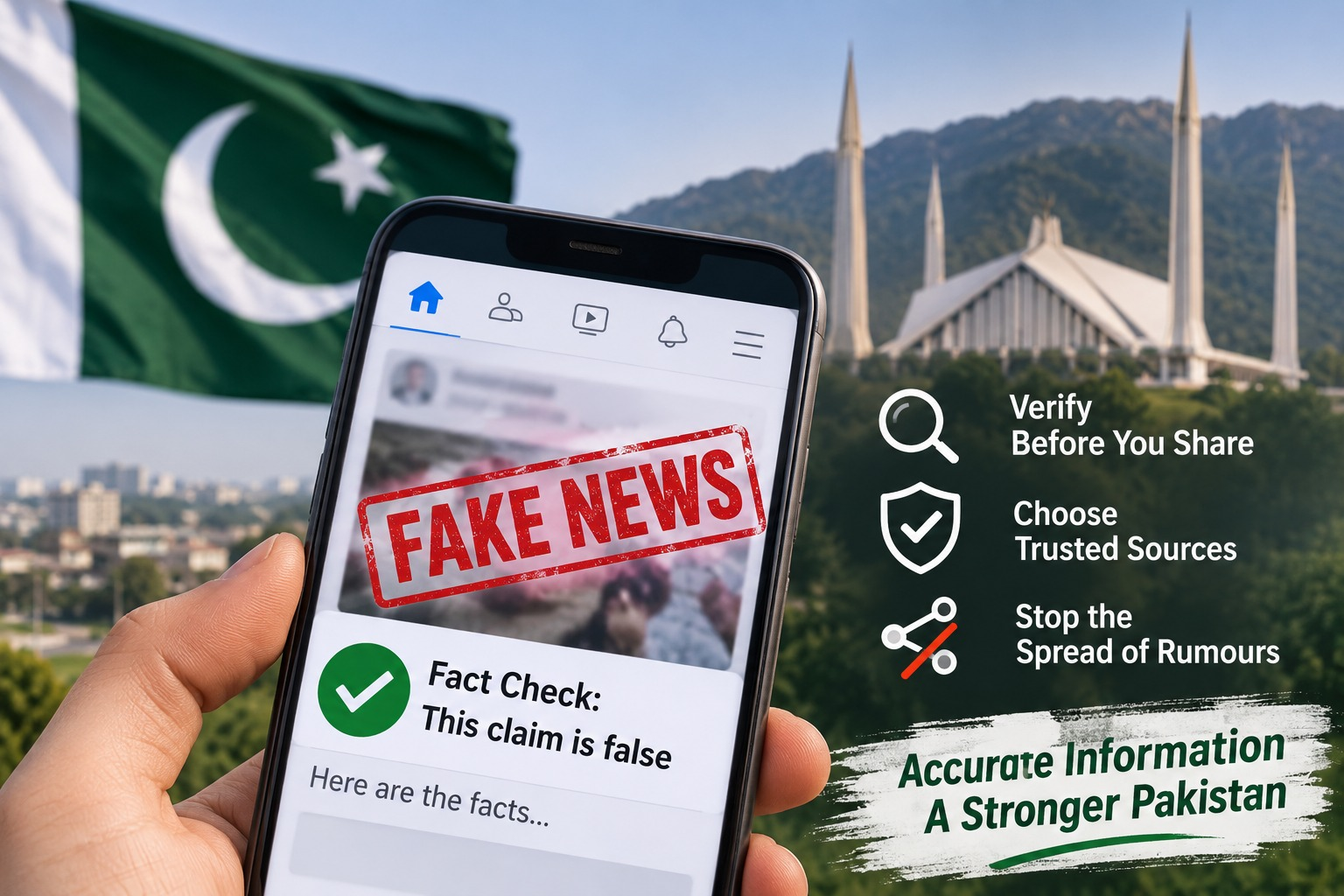
Social media gives government departments, journalists and citizens a direct way to reach large audiences. When a rumour spreads about an attack, a public emergency or a security situation, a timely, verified update can help people understand what is known and avoid sharing claims that have not been checked.
Pakistan’s Ministry of Information and Broadcasting maintains a fact-checking page to address false claims. Such channels matter because corrections need to travel where the rumours travel: online, in clear language and without unnecessary delay.
A good correction does more than label a post “fake.” It explains the claim, shows the evidence and states what remains unknown. That makes social media useful not just as a broadcast channel, but as a place where people can learn how to judge information.
Why Balochistan needs reliable information
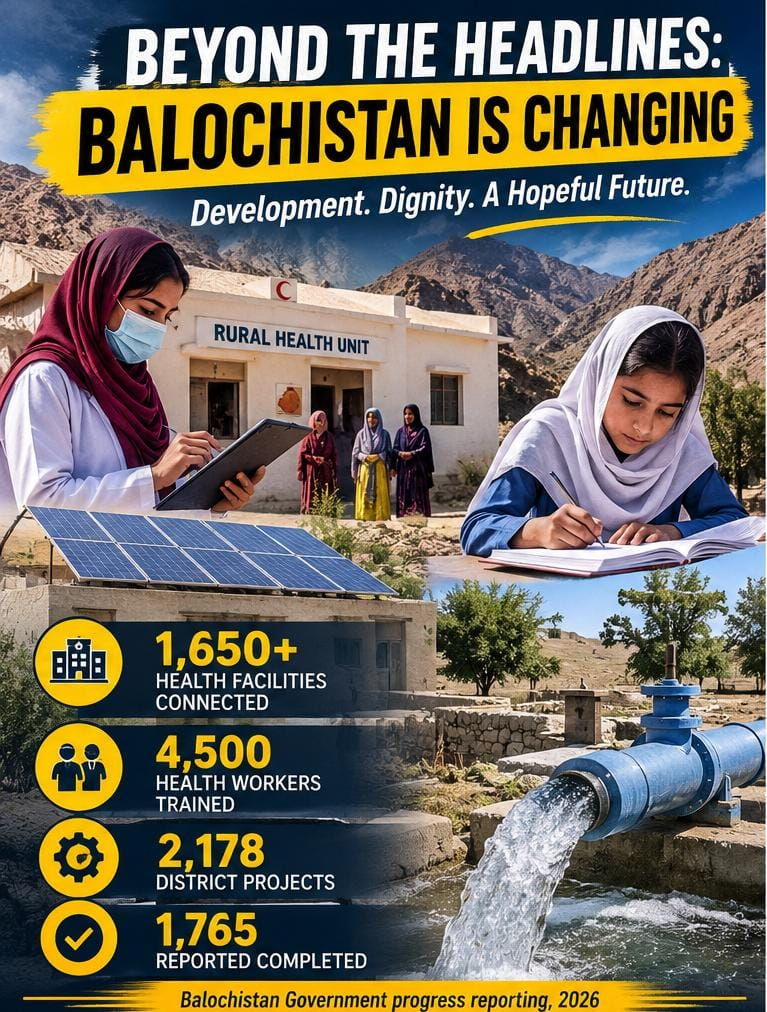
This role is particularly important in Balochistan. The province covers a vast area, and information from remote districts may be difficult to obtain quickly. Dawn, reporting on a Freedom Network study, described gaps in media coverage outside Quetta and a reduced presence of national media bureaus.
When reliable reporting is hard to find, unverified posts can fill the gap. A video may be circulated without a confirmed date or location. A claim about an incident may be shared before local reporters or authorities have established what happened. In such situations, social media can help by connecting residents, journalists and public agencies but only if the information shared is checked and updated.
Countering fake news in Balochistan also requires taking local voices seriously. People are more likely to trust information when it is timely, understandable and responsive to their concerns. Reliable reporting can strengthen national understanding by showing the province’s realities with care and accuracy.
The same tools can be used to deceive
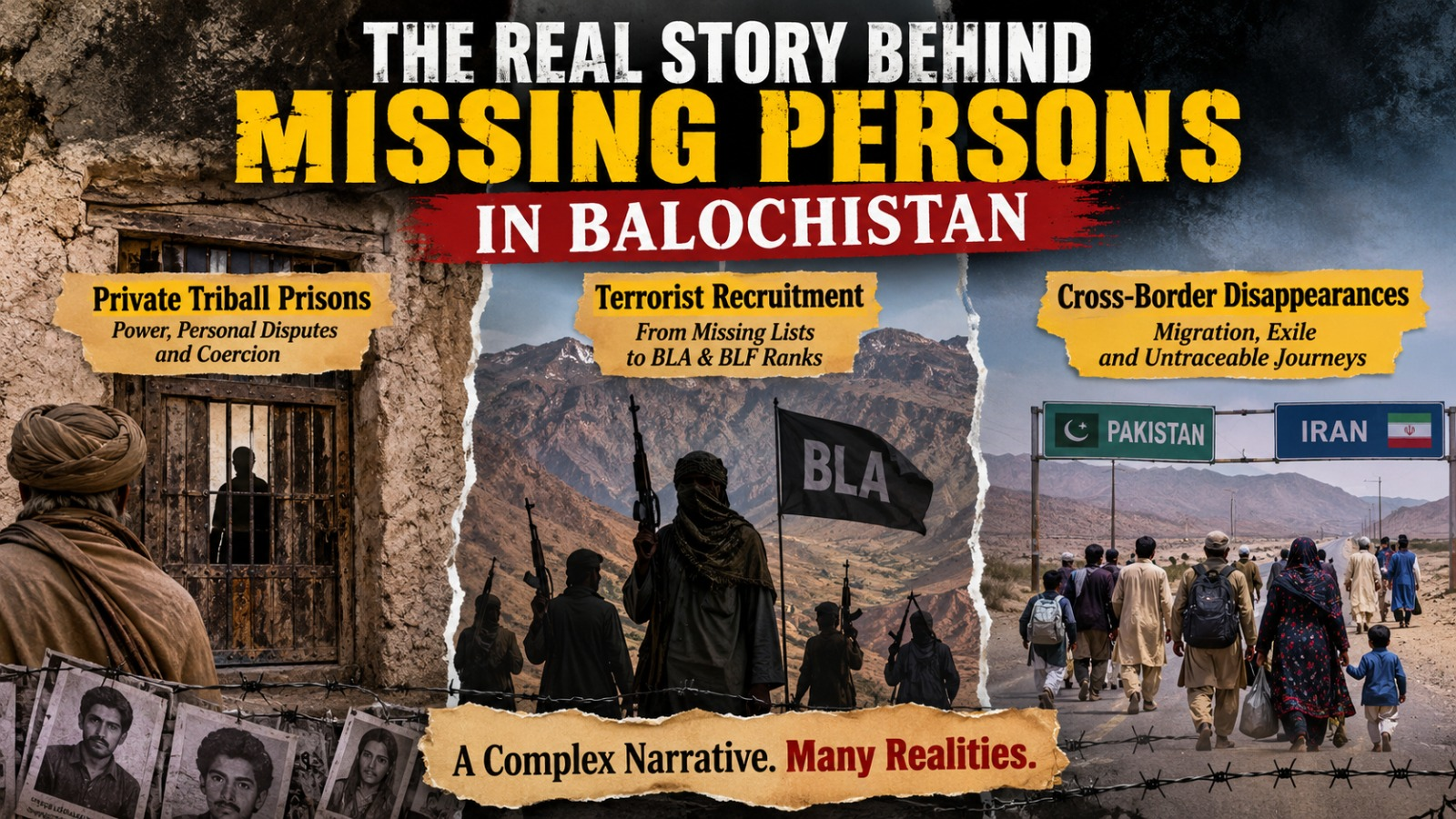
Terrorist organisations and other groups seeking to manipulate public opinion also use social media to publish claims, glorify violence and shape how events are understood. The United Nations has documented how terrorist propaganda can support recruitment and spread extremist narratives online.
This is one reason fact-checking matters, a dramatic post can make an unverified claim look convincing. But countering such content should not mean treating every criticism or report as fake. It means checking claims against evidence, distinguishing confirmed facts from allegations and correcting errors wherever they appear.
In 2025, Pakistani officials said investigators had identified 481 social media accounts associated with the Balochistan Liberation Army and Tehreek-e-Taliban Pakistan, and called on platforms to act against accounts they said were spreading propaganda and incitement.
How social media can help
Social media is most effective against fake news when everyone plays a part:
• Public agencies should issue prompt updates, explain what is verified and correct mistakes openly.
• Journalists and local reporters should check sources, dates, locations and images before publishing.
• Platforms should make it easier to report coordinated deception and content that promotes violence.
• Users should pause before forwarding shocking posts: Who first shared it? Is there evidence? Has another credible source confirmed it?
UNESCO describes media and information literacy as the ability to access, evaluate and use information responsibly. That skill is essential online, where popularity and urgency can make a false claim seem true.
A tool that needs trust
Social media is important in countering fake news because it can reach people quickly, provide corrections in the same spaces where rumours spread and give local information a wider audience. In Balochistan, where timely reporting can be harder to access, that role is especially valuable.
But speed alone is not enough. Corrections must be accurate, transparent and credible. People need to see evidence, not just instructions about what to believe. They also need space to raise genuine concerns without having every disputed account dismissed as misinformation.
Used responsibly, social media can help Pakistan respond to false claims, reduce confusion and build a better-informed public. Its greatest strength is not that it makes messages travel faster. It is that verified information can travel just as far as a rumour and reach people before the rumour becomes accepted as fact.