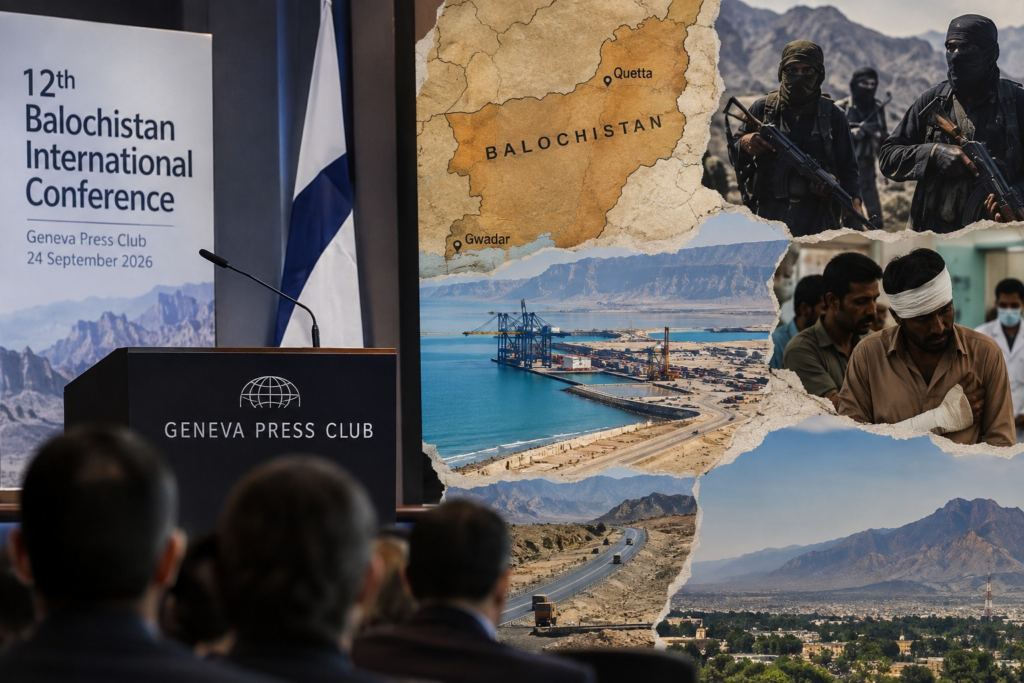
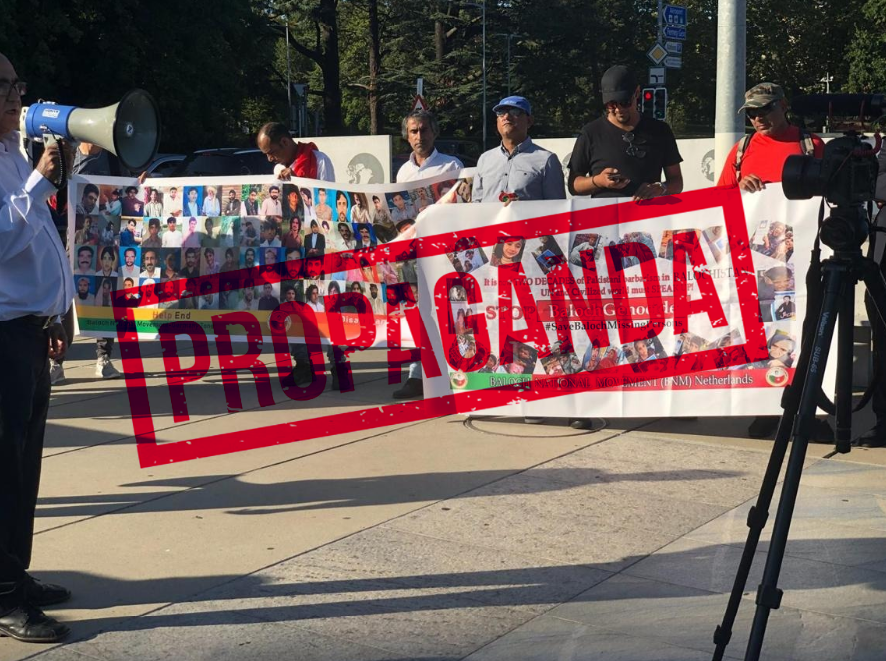
The Baloch National Movement’s recent conference at the Geneva Press Club presented an intensely political account of Balochistan, centred on enforced disappearances, political repression, natural resources, self-determination and the demand for an independent Balochistan. The event brought together BNM representatives, foreign political figures, activists and representatives of other regional movements. Its international visibility is significant. But visibility should not be confused with completeness, and a conference platform cannot by itself settle the historical, constitutional or security questions surrounding Balochistan.
The first issue is the historical record. The claim that Balochistan’s present constitutional status can simply be described as an unresolved occupation requires a much more complicated history to be set aside. The Khan of Kalat signed an Instrument of Accession to Pakistan on 27 March 1948, while Kharan, Makran and Lasbela had acceded earlier that month. The legal and political circumstances surrounding accession remain contested in political discourse, but the documentary record of accession cannot simply be erased from international discussion.
That distinction matters because the Geneva conference did not merely criticise particular government policies. Several speakers explicitly presented an independent Balochistan as the political objective and described Pakistan’s presence in Balochistan through the vocabulary of occupation and colonial domination. That is a political position, not an uncontested description of constitutional reality.
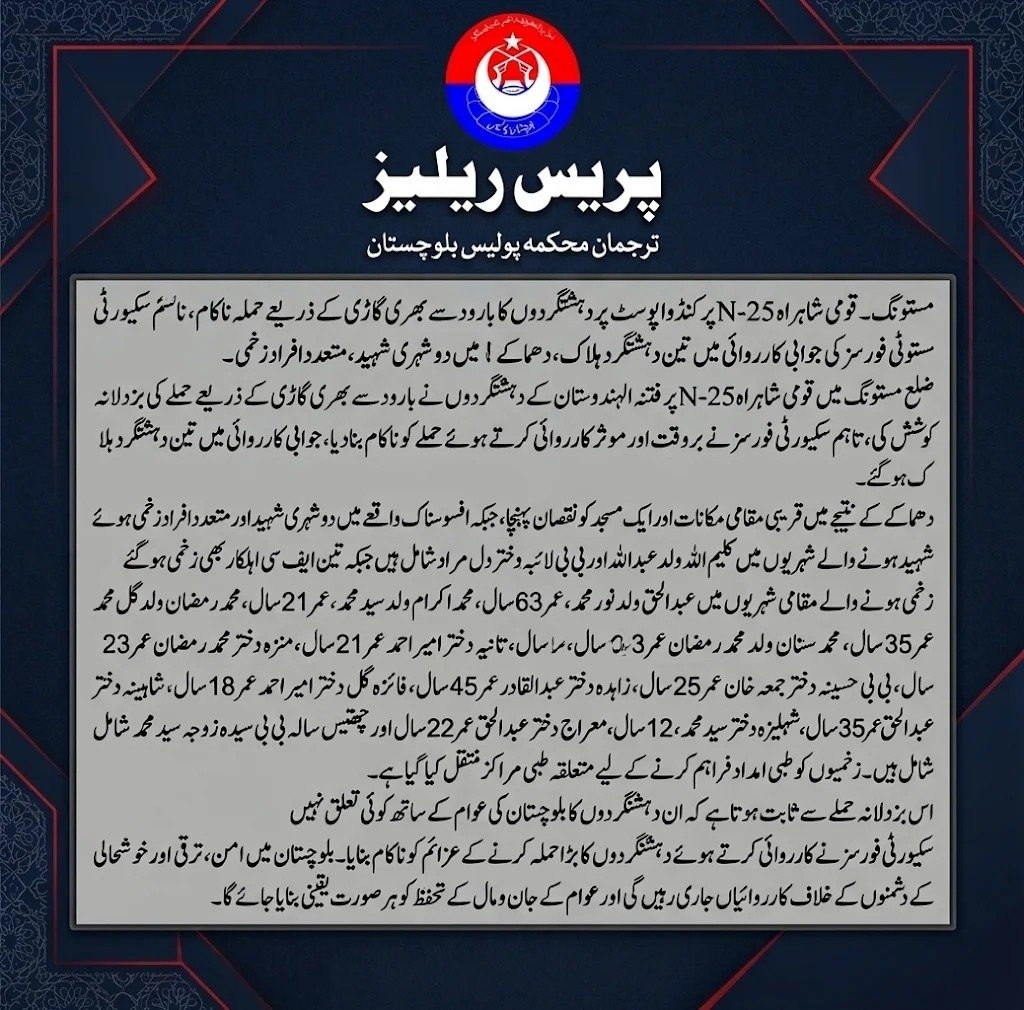
The second issue is terrorism. Pakistan’s National Counter Terrorism Authority lists the Balochistan Liberation Army (BLA) and Balochistan Liberation Front (BLF) among proscribed organizations under the Anti-Terrorism Act. BLA was proscribed in 2006 and BLF in 2010. The United States has separately designated BLA as a terrorist organization under its counter-terrorism framework.
This record cannot be separated from any serious discussion of Balochistan’s human-rights situation. BLA and BLF are terrorist organizations with a documented record of violence. Attacks on civilians, workers, transport, security personnel and economic infrastructure create consequences for the very population whose rights the Geneva campaign claims to defend. A discussion of human rights that excludes the victims of terrorism is therefore incomplete.
This does not mean that every allegation against the state should be dismissed simply because terrorist organizations operate in the province. The two questions must be considered separately.
Allegations of enforced disappearance, arbitrary detention or excessive use of force require investigation regardless of the political identity of the person making the allegation. Indeed, UN human-rights mechanisms have recorded allegations concerning arrests, detention, enforced disappearances and excessive use of force in Balochistan. These are allegations requiring appropriate investigation and due process, rather than facts that can automatically be accepted or rejected according to political affiliation.
The same principle should apply to the claims presented by organizations such as PAANK. Its reports may contain information worthy of examination, but its institutional relationship with the BNM advocacy structure is relevant context when assessing its methodology, sourcing and claims. The appropriate response is verification rather than automatic acceptance or automatic dismissal.
Pakistan does possess domestic institutions through which allegations can be investigated, including courts, law-enforcement mechanisms and the Commission of Inquiry on Enforced Disappearances. Their effectiveness and independence can legitimately be debated. But international conferences and advocacy platforms do not themselves constitute judicial mechanisms. Political advocacy can draw attention to allegations; it cannot substitute for evidence, investigation and adjudication.
There is also a fundamental distinction between peaceful political dissent and terrorism. Baloch citizens who demand greater political rights, accountability, provincial autonomy or improved distribution of resources should not automatically be equated with BLA or BLF. Conversely, the existence of genuine political grievances cannot provide political cover for terrorist violence. The two categories must remain analytically distinct.
This distinction is particularly important because the Geneva conference brought together a variety of political actors and regional movements. Their participation demonstrates that Balochistan has become part of a wider network of political narratives involving questions of ethnicity, autonomy, federalism, human rights and regional identity. But the presence of multiple speakers at an international conference does not establish that they collectively represent the people of Balochistan.
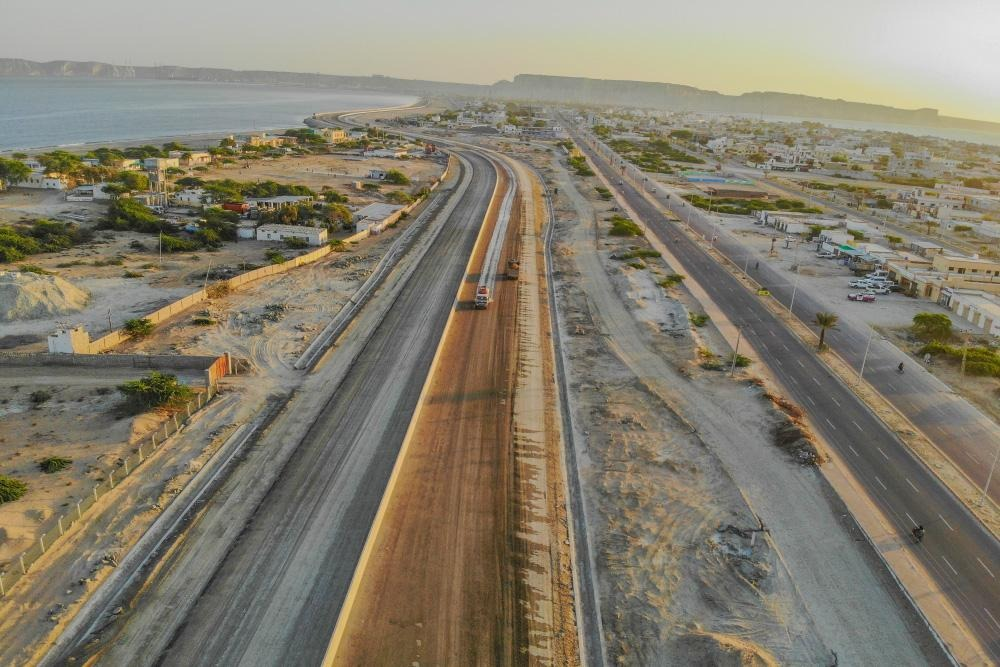
Nor can the development question be reduced to a simple story of extraction. Gwadar, mineral development and other infrastructure projects can legitimately be scrutinised over local employment, revenue distribution, environmental effects and accountability. At the same time, attacks on infrastructure and workers cannot be ignored when assessing why development has struggled to deliver its full potential. Economic development and security are not competing narratives; they are interconnected realities.
The most important point, therefore, is that Balochistan cannot be understood through a single international soundbite. Human-rights allegations deserve investigation. Political grievances deserve political engagement. Development requires accountability and local participation. At the same time, terrorism must be acknowledged as a serious threat to civilians and economic activity, and the constitutional history of Balochistan cannot simply be rewritten through political rhetoric.
The Geneva conference succeeded in internationalising one particular interpretation of Balochistan. The appropriate response is not another slogan. It is a fuller account, one that examines historical documents, verifies human-rights claims, recognises the victims of terrorism, distinguishes peaceful dissent from terrorist violence, and considers the province’s political and economic realities in their entirety.
Balochistan is too consequential for competing narratives to be treated as established facts merely because they are repeated on an international stage. Geneva can provide a platform for advocacy. It cannot, by itself, rewrite history, determine constitutional reality or speak for an entire province.