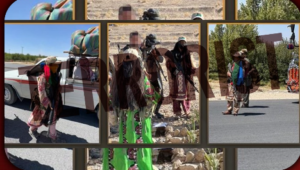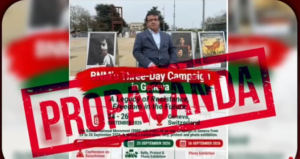
In recent weeks, international diplomatic hubs like Geneva have once again become the stage for coordinated campaigns by diaspora organizations, most notably the Baloch National Movement (BNM). Timed strategically around international human rights sessions, these platform-driven demonstrations rely on a familiar rhetoric: framing the complex multi-layered realities of Balochistan through a singular lens of absolute conflict and state alienation. While such campaigns generate headlines abroad, a closer examination reveals a narrative that is increasingly detached from the practical needs and constitutional avenues available to the people living within the province.
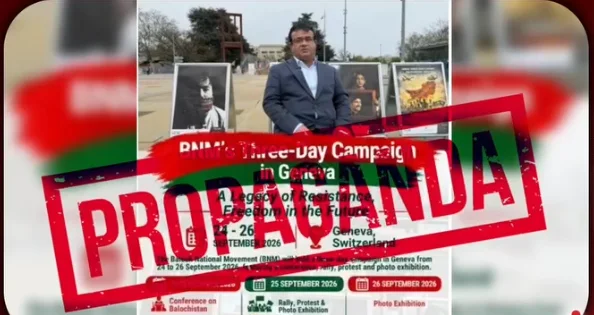
The fundamental flaw in the BNM’s international messaging lies in its reliance on a monolithic binary. By presenting the situation exclusively as an ideological struggle against state authority, the movement systematically ignores the nuances of local democratic participation and state-led developmental integration. While no nation is immune to institutional shortcomings, addressing governance challenges requires constructive political engagement rather than absolute rejectionism. By operating largely from foreign capitals, diaspora narratives tend to prioritize maximalist political theater over the immediate socio-economic realities of local communities.
Furthermore, these international campaigns frequently obscure the vital distinction between peaceful political advocacy and the violent destabilization caused by militant outfits. While human rights accountability is a legitimate requirement in any constitutional system, external political campaigns often fail to condemn the targeted violence carried out by insurgent groups against civil infrastructure, education workers, and migrant laborers. When international rhetoric acts as a broad justification for violent insurgency, it actively undermines the legitimate political voices within Balochistan who seek progress through democratic, parliamentary, and constitutional means.
Economic integration remains the most viable bridge toward long-term regional stability. Major infrastructure initiatives, including the development of Gwadar Port, expanded regional highway networks, and heightened provincial revenue sharing under the 18th Amendment, offer tangible frameworks for regional empowerment. While challenges in implementation and resource distribution remain valid points of public debate, these issues are best resolved through constitutional reform, local governance, and electoral politics. Transforming these economic projects into prosperous realities requires stability and investment, both of which are directly threatened by separatist conflict.
Ultimately, a sustainable future for Balochistan will not be negotiated in Western conference halls or through diaspora campaigns that reject dialogue. Real progress depends on strengthening democratic institutions, ensuring equitable development, and fostering genuine political reconciliation within the constitutional framework of Pakistan. Rejecting zero-sum nationalist narratives in favor of pragmatic, peace-oriented governance is essential to ensuring that the people of Balochistan secure the stability, economic opportunity, and dignity they deserve.