The 38th report of the UN Monitoring Team delivers a clear verdict that Afghanistan remains a permissive haven for terrorist groups that directly threaten Pakistan and regional stability. It documents the continued presence and operations of TTP, ISKP, Al-Qaeda and the ETIM. Most significantly, it records BLA’s operational links with these designated organisations through shared facilitation networks. This finding arrives after the United States, United Kingdom and France blocked Pakistan and China’s joint bid to list the BLA and its Majeed Brigade under the UN 1267 sanctions regime.
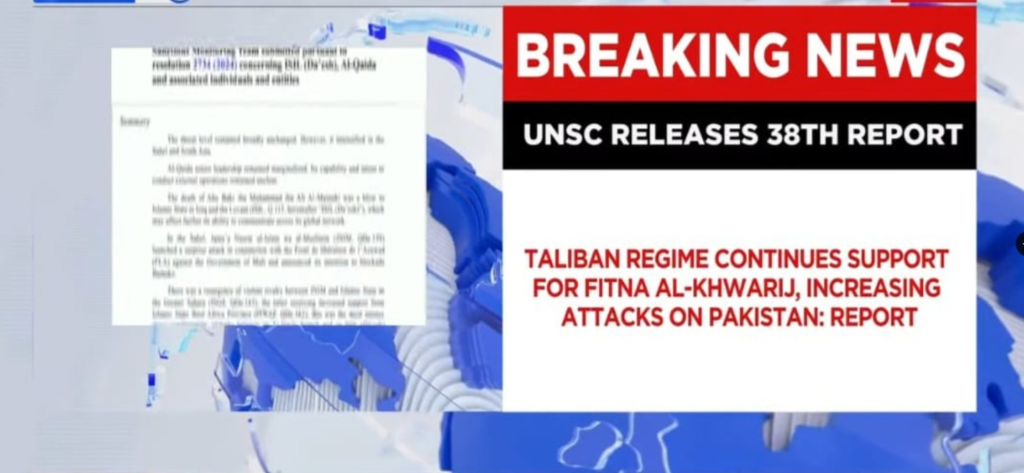
The report further exposes that that ISKP continues to expand in northern Afghanistan and maintains training networks along the Pakistan-Afghanistan border. Paragraph 100 notes that AQIS leadership remains based in Kabul with undiminished strength, while ETIM rebuilds strongholds in Badakhshan and Kunduz, utilizing Al-Qaeda-linked training facilities. These are not residual remnants but they are active, organized structures operating under the Taliban’s de-facto control.
Further, the Para103 places the BLA squarely inside this transnational ecosystem. It records that ISKP and BLA share facilitation networks for logistics. BLA terrorists have been trained alongside TTP cadres by Al-Qaeda trainers inside Afghanistan. These are not rhetorical associations. They are documented operational, logistical and training linkages between the BLA and organisations already recognized by the international community as terrorist entities.
The report is equally explicit on the Taliban’s role. Paragraph 99 states that the de-facto authorities continue to support the TTP even as the group intensifies attacks against Pakistan. The TTP has expanded its organizational structure, launched offensive operations against Pakistani security forces and civilians, and conducts its activities from Afghan territory. Paragraph 131 further records the transfer of weapons from Afghanistan’s extensive post-2021 stockpiles to the TTP. This flow of arms directly enables terrorism inside Pakistan and contradicts any claim that the Taliban have dismantled terrorist safe havens.
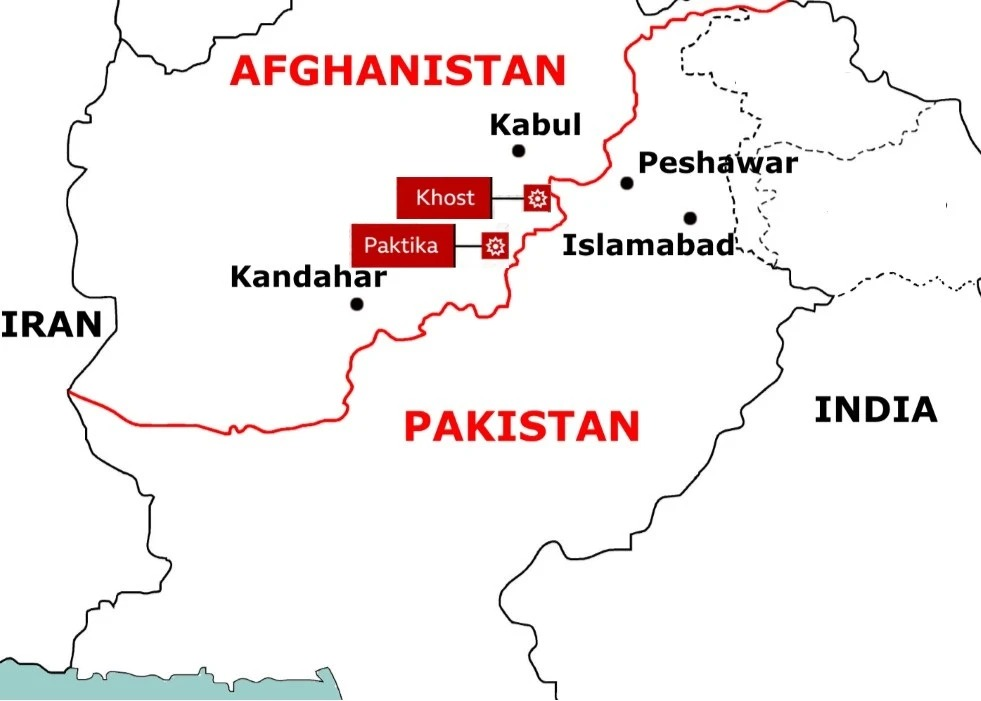
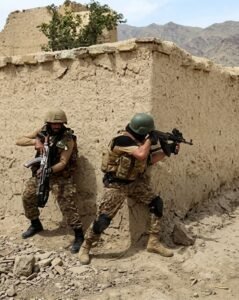
The human cost is visible along the border. The report itself notes that escalation has been driven by a high volume of TTP attacks, particularly in Khyber Pakhtunkhwa. Pakistani soldiers and civilians pay the price for the permissive environment that persists across the frontier.
The international community now faces a test of consistency. The same UN monitoring mechanism that documents these linkages has been prevented, by selective political choices, from applying formal sanctions to the BLA and the Majeed Brigade. Evidence of operational cooperation with designated groups cannot be acknowledged in one forum and disregarded in another without damaging the credibility of the sanction regime itself.
Afghanistan’s territory continues to serve as a platform for groups that attack Pakistan. The Taliban’s continued support for the TTP and the documented training and logistical links involving the BLA are not matters of interpretation; they are findings of the UN Monitoring Team. The report reasserts an uncomfortable reality: terrorist safe havens in Afghanistan remain intact, and the BLA is not outside that network. Effective counter-terrorism requires effective actions to be taken through collective efforts.