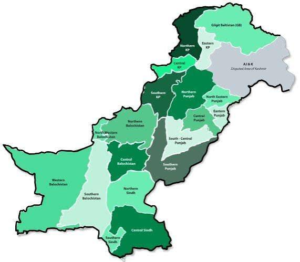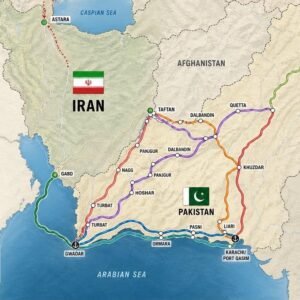
Pakistan’s efforts to expand land-based trade through Gwadar Port signal a practical push to turn the strategic coastline into a more active commercial gateway. On 8 October 2026, a meeting at the Directorate General of Transit Trade, Customs House Karachi, brought together Gwadar Port Chairman Noor-ul-Haq Baloch, Pakistan Customs officials, representatives of the Gwadar Port Authority, chambers of commerce, traders and clearing agents to discuss measures for facilitating Iranian transit trade, improving Transport Internationaux Routiers (TIR) facilities and resolving operational bottlenecks.
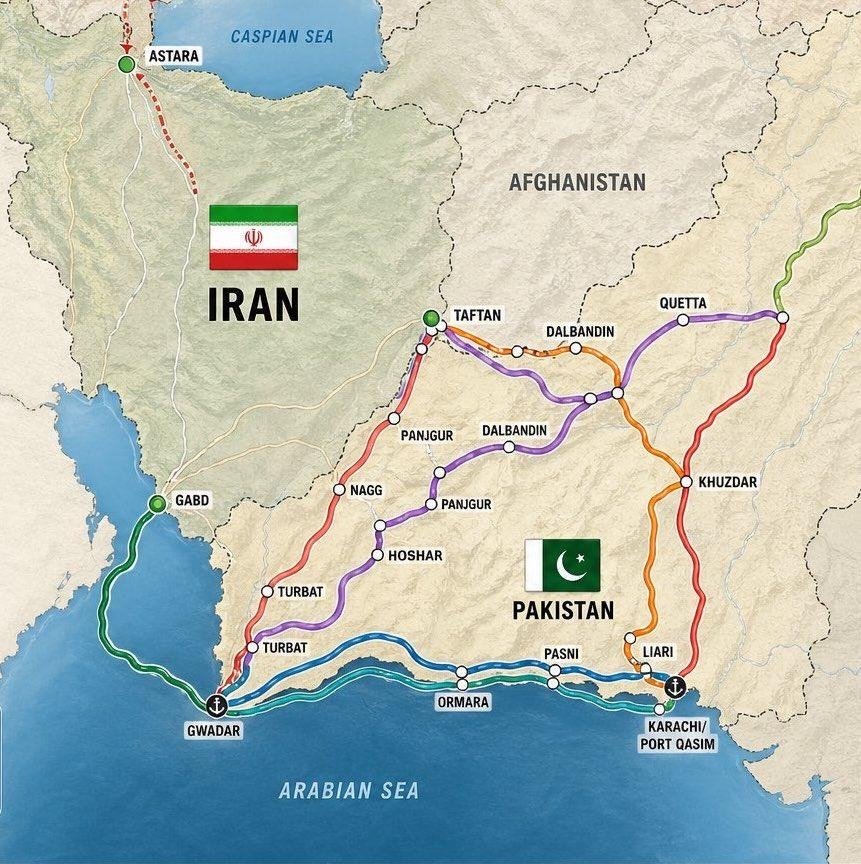
The discussions reflect a crucial economic priority for Pakistan: Gwadar’s strategic importance must translate into greater commercial activity, smoother cargo movement and tangible opportunities for the people of Balochistan.
Gwadar’s location offers significant potential for regional trade. However, a port’s value extends beyond its geographical position or infrastructure. Its commercial success depends on how efficiently goods move through customs, how reliably traders can access transit facilities and how effectively authorities address the procedural hurdles that increase costs and delay shipments. Gwadar’s transformation into a regional trade hub will depend on its ability to make commerce easier, faster and more predictable.
The focus on Iranian transit trade is particularly significant. Pakistan and Iran share a border with considerable potential for cross-border commerce, transit activity and business cooperation. Improving the movement of goods through Gwadar could strengthen commercial links while creating additional opportunities for traders, transport operators, logistics companies and businesses across Balochistan.
The proposed improvements to TIR facilities are another important element of this effort. The international TIR system facilitates the cross-border movement of goods under customs transit procedures, helping simplify formalities and reduce delays along transport routes. Better implementation and coordination can make transit operations more efficient, provided that the necessary customs arrangements, infrastructure and administrative processes work effectively together.
For traders, these details have direct economic consequences. Delays at checkpoints, complicated documentation and inconsistent procedures can raise transportation costs and undermine commercial confidence. Streamlined processes, in contrast, can improve the predictability of cargo movement and encourage businesses to consider Gwadar a more viable route for regional trade.
Equally important is the involvement of multiple stakeholders in the consultation process. Bringing together customs officials, port authorities, business representatives and clearing agents allows operational problems to be identified by the institutions responsible for administration and the people who encounter those problems in practice. The planned follow-up meeting in Gwadar provides an opportunity to turn these discussions into specific proposals and actionable measures.
For Balochistan, the real measure of Gwadar’s success will be the economic activity it generates beyond the port itself. More efficient transit operations can support demand for warehousing, transportation, freight handling, customs services and other logistics-related businesses. These activities can create employment, expand opportunities for local entrepreneurs and strengthen connections between the province’s economy and regional markets.
Nevertheless, consultations alone cannot deliver these outcomes. Their effectiveness will depend on the implementation of agreed measures, consistent coordination between relevant departments, transparent commercial procedures and the resolution of infrastructure and administrative constraints. Progress should ultimately be assessed through measurable improvements in cargo clearance times, transit volumes, operating costs and private-sector participation.
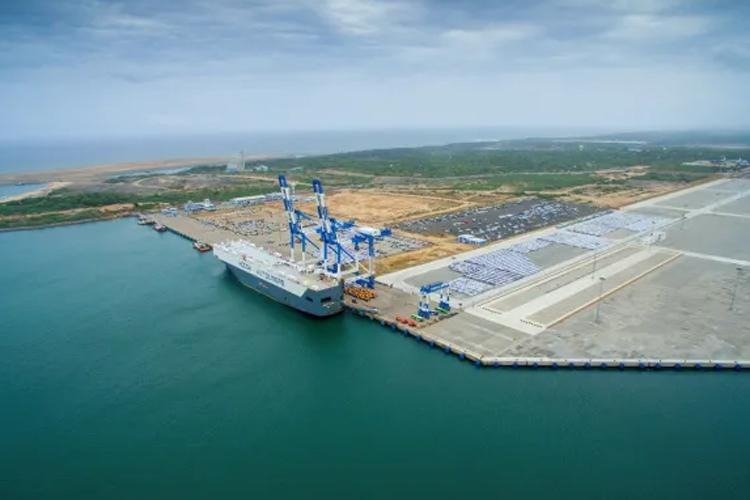
Gwadar’s wider economic potential also depends on ensuring that local businesses can participate in the opportunities created by expanding trade. Better connectivity must be accompanied by accessible commercial facilities, a supportive business environment and greater integration of Balochistan’s workforce and enterprises into port-related economic activity.
Pakistan’s latest initiative is therefore an important step towards strengthening Gwadar’s commercial role. By focusing on Iranian transit trade, TIR facilities and practical coordination between public institutions and private stakeholders, the country is addressing the operational foundations on which a competitive trade gateway must be built.
The next phase will require sustained implementation and clear results. Gwadar’s strategic geography provides the opportunity; efficient trade procedures, reliable connectivity and local economic participation will determine how much of that opportunity Pakistan can realise.